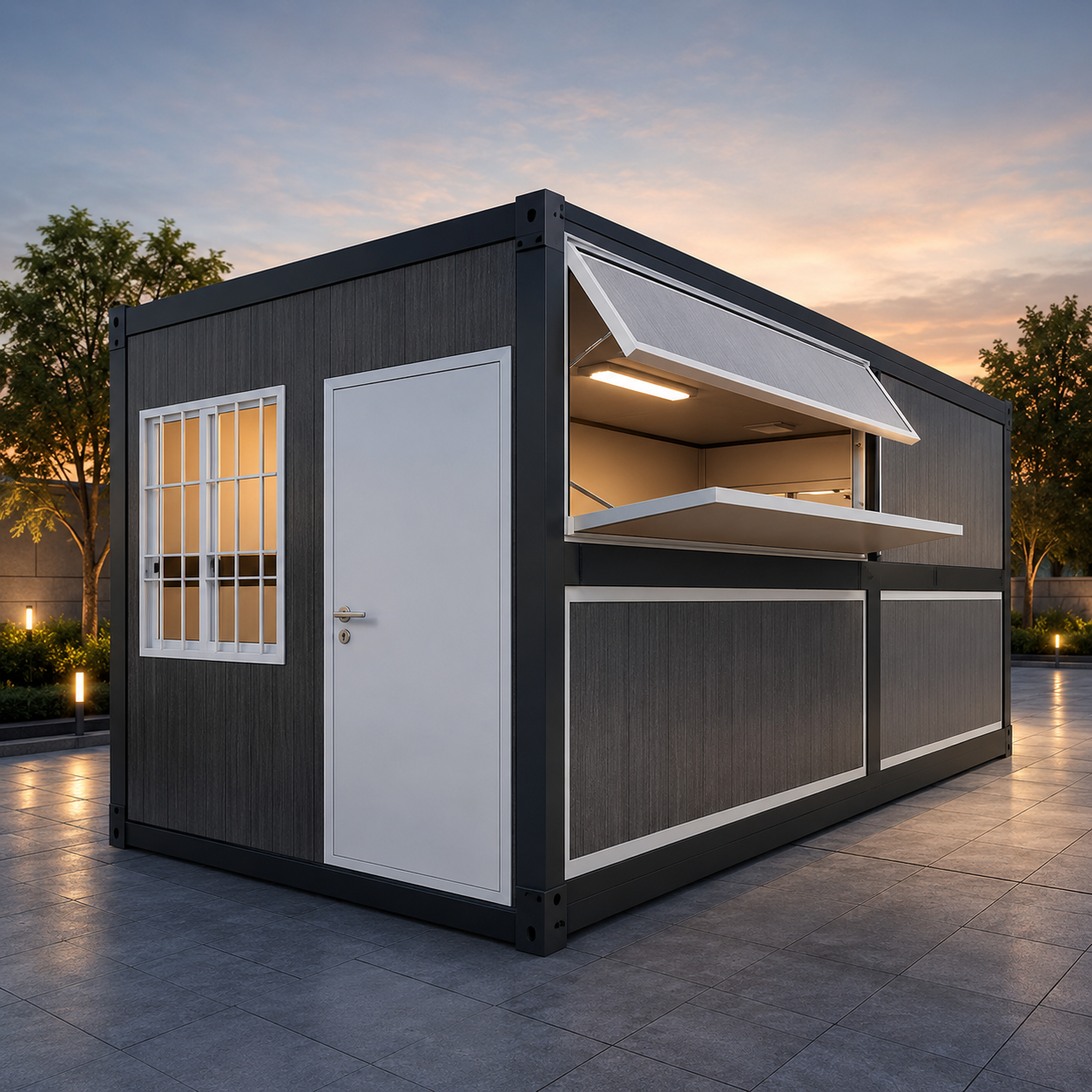
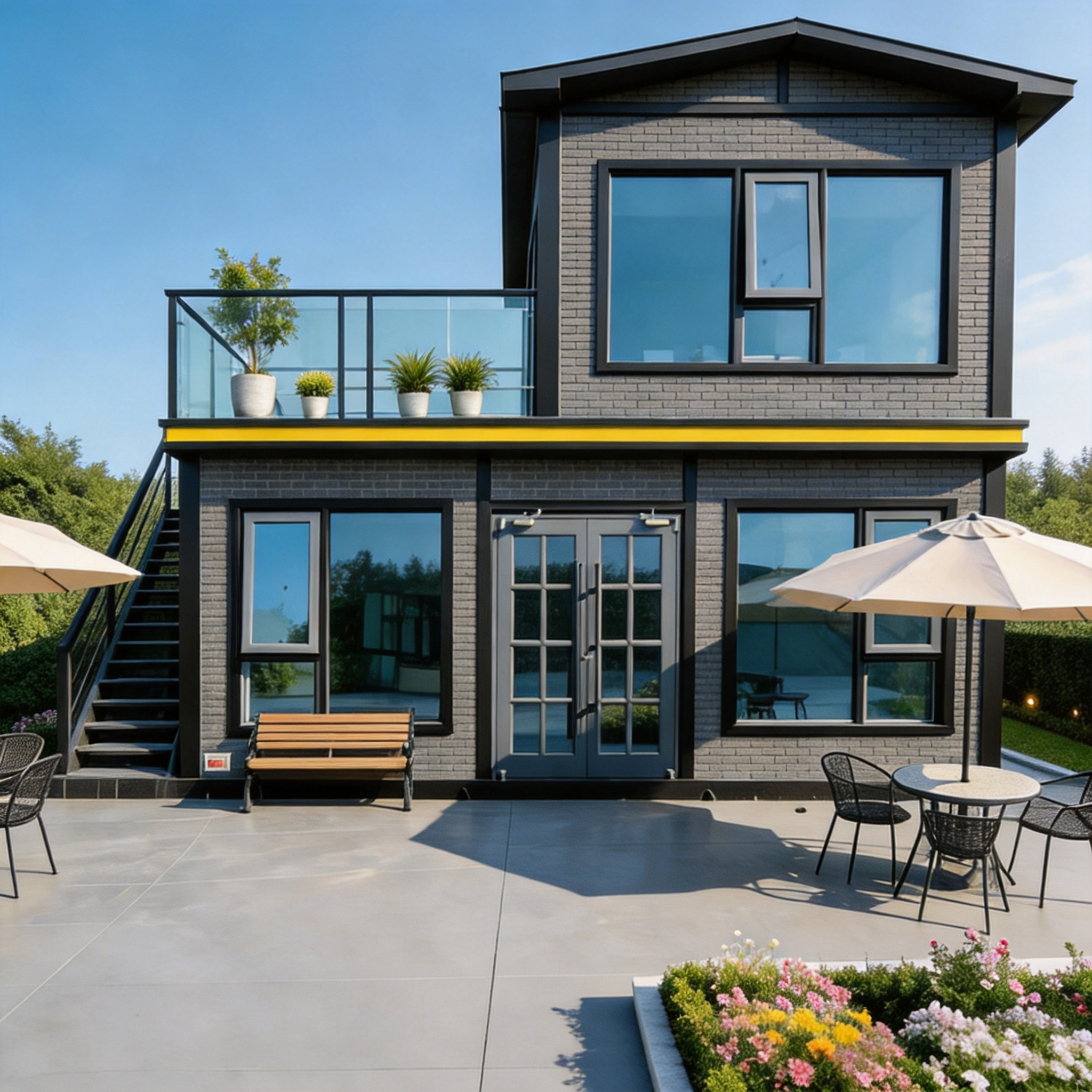
κατασκευή προεπισκευασμένων σπιτιών
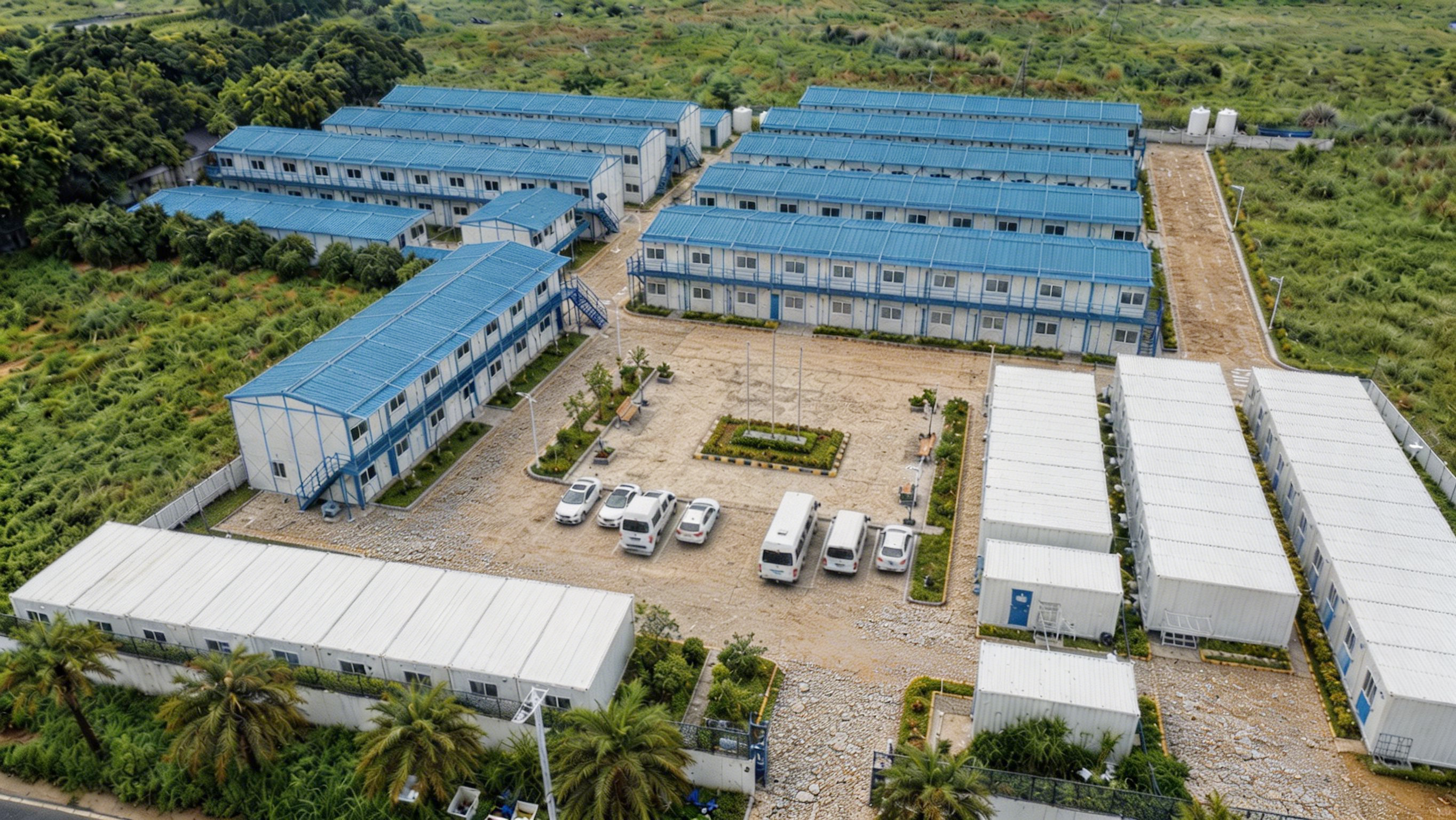
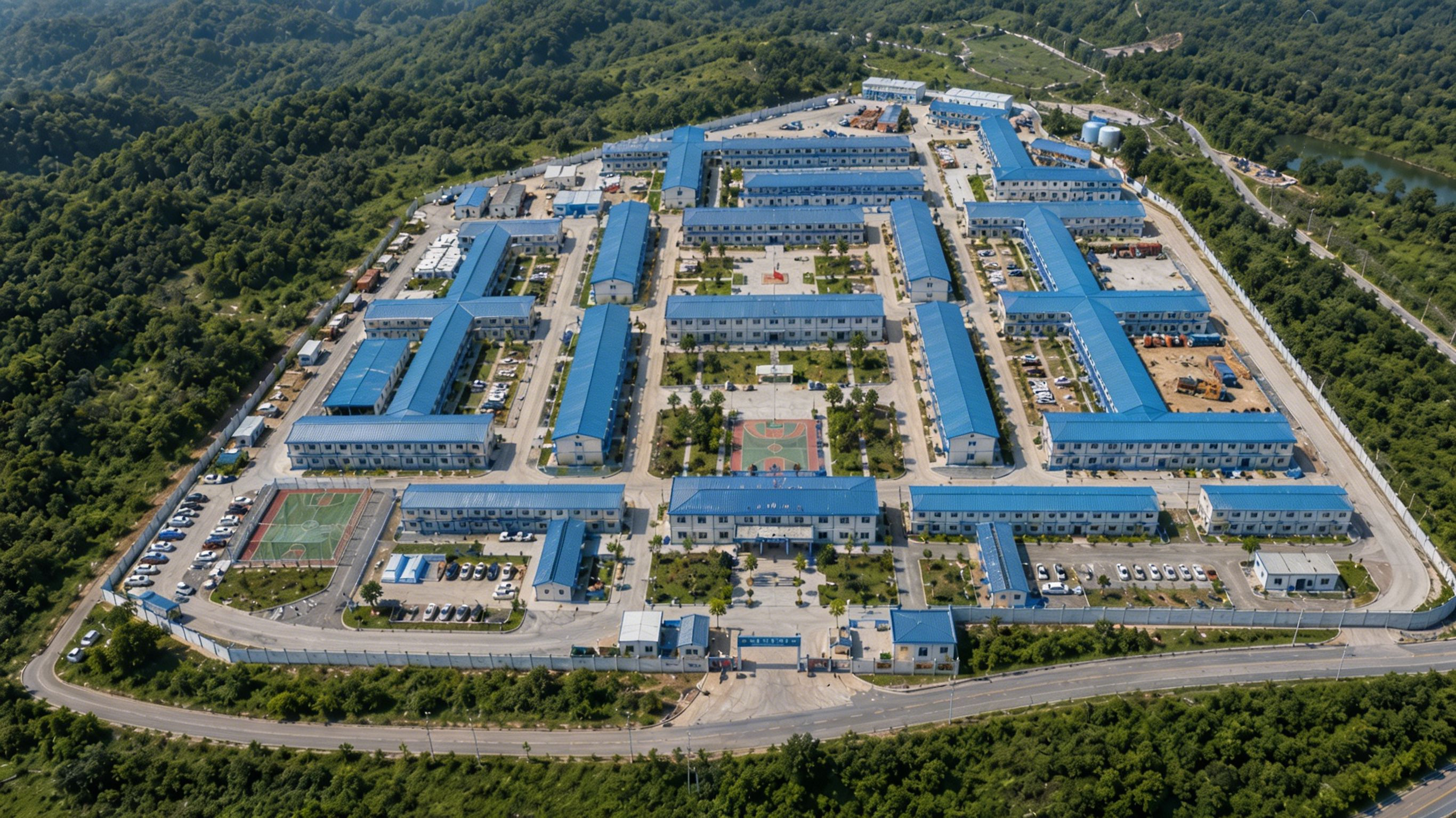
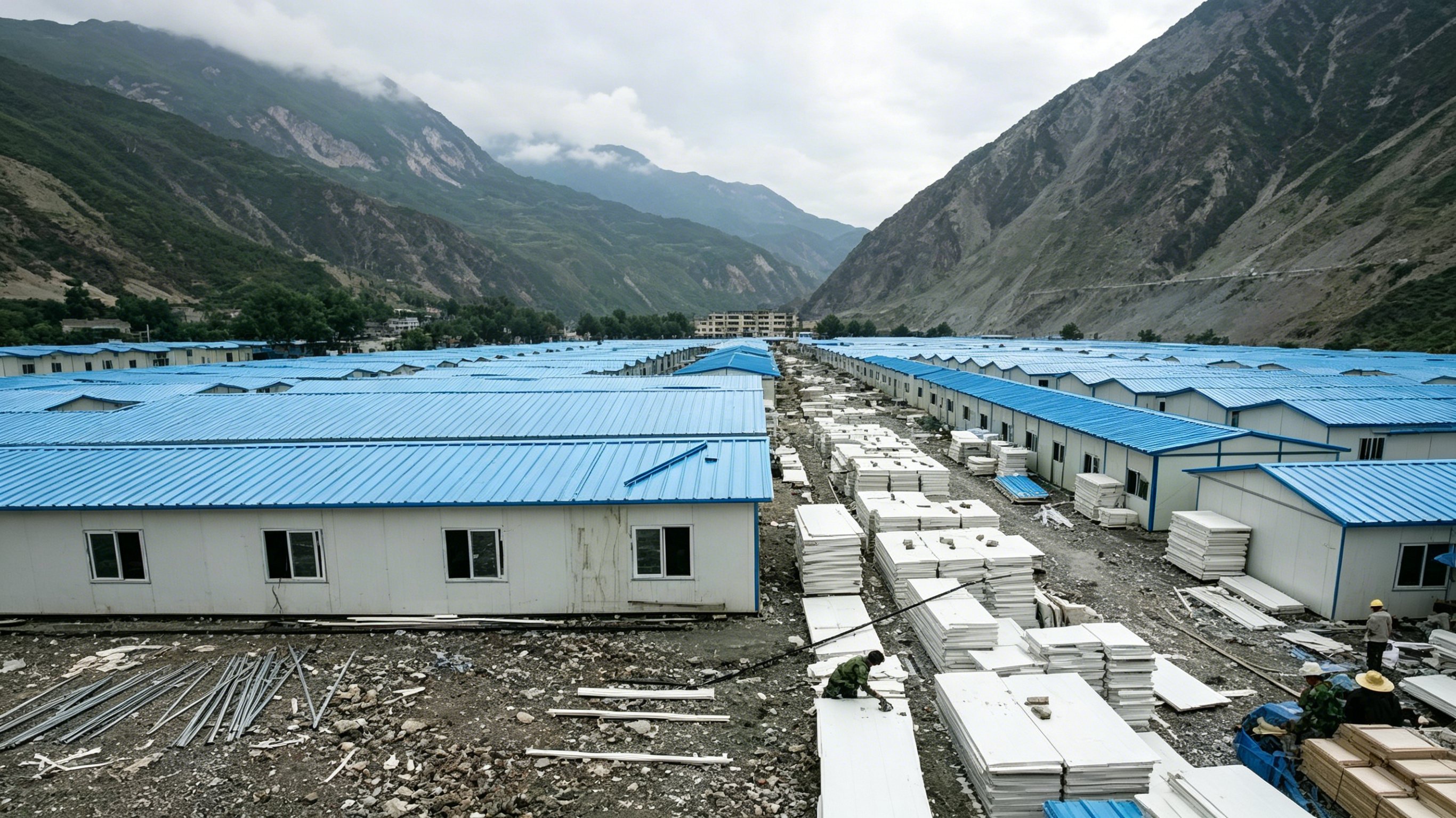
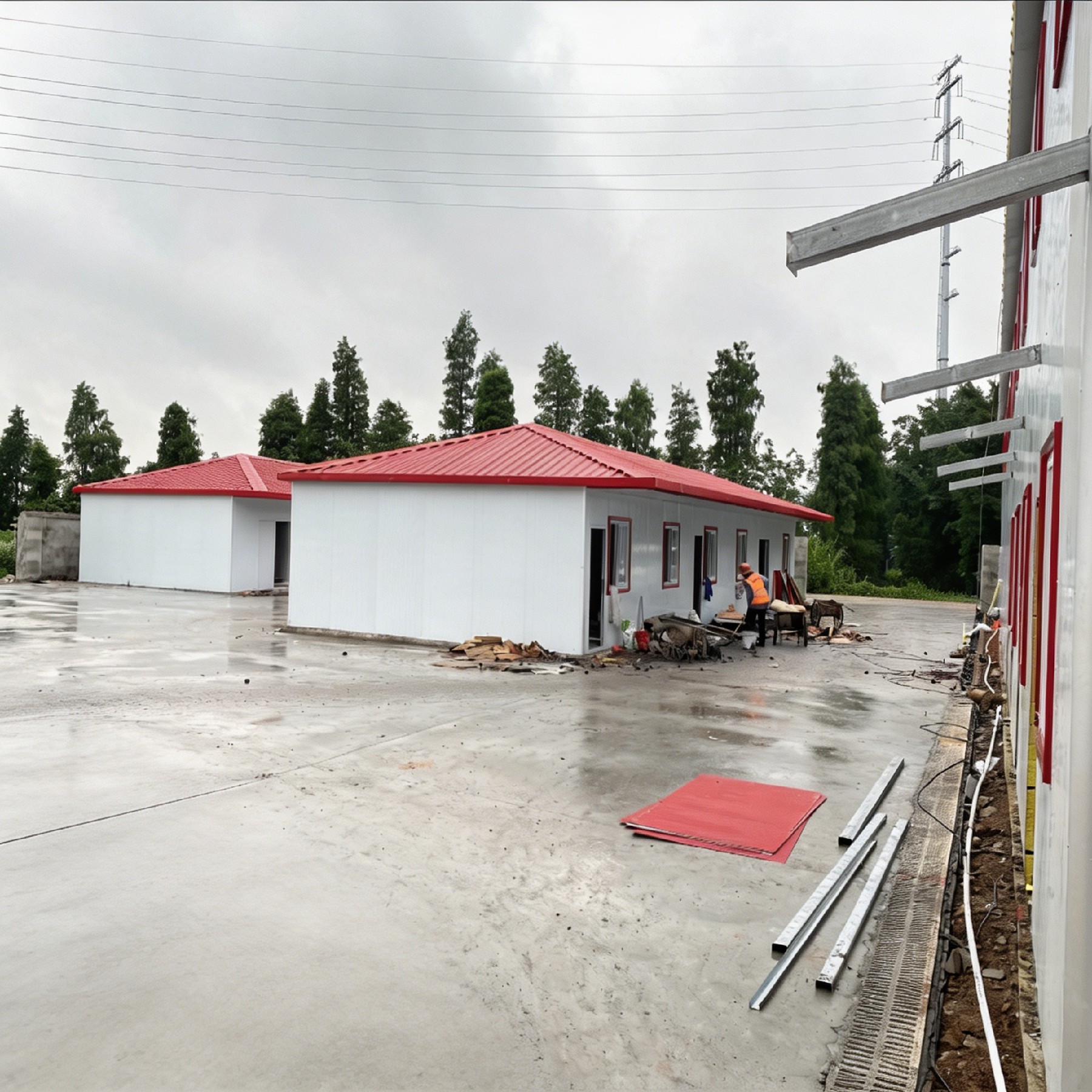
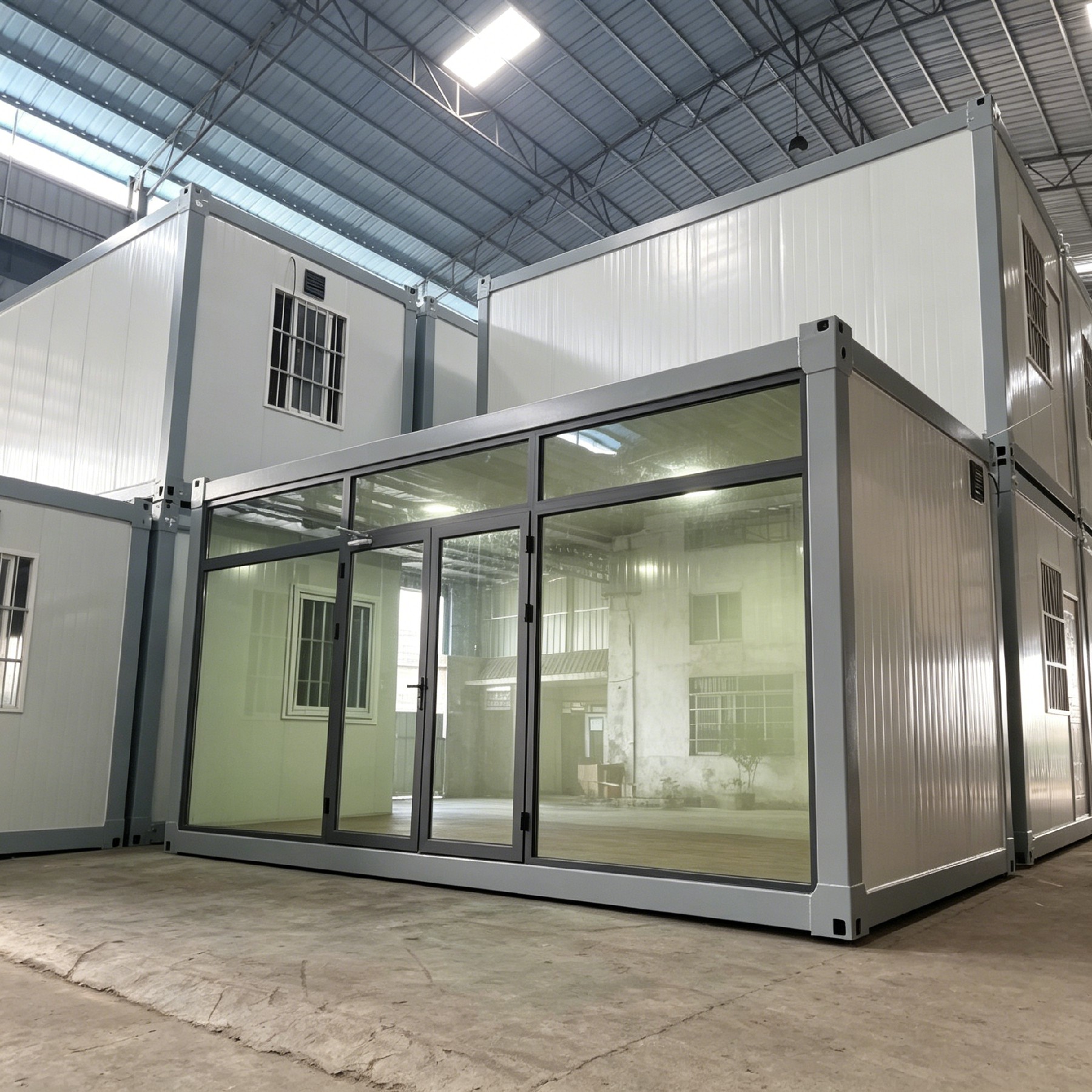
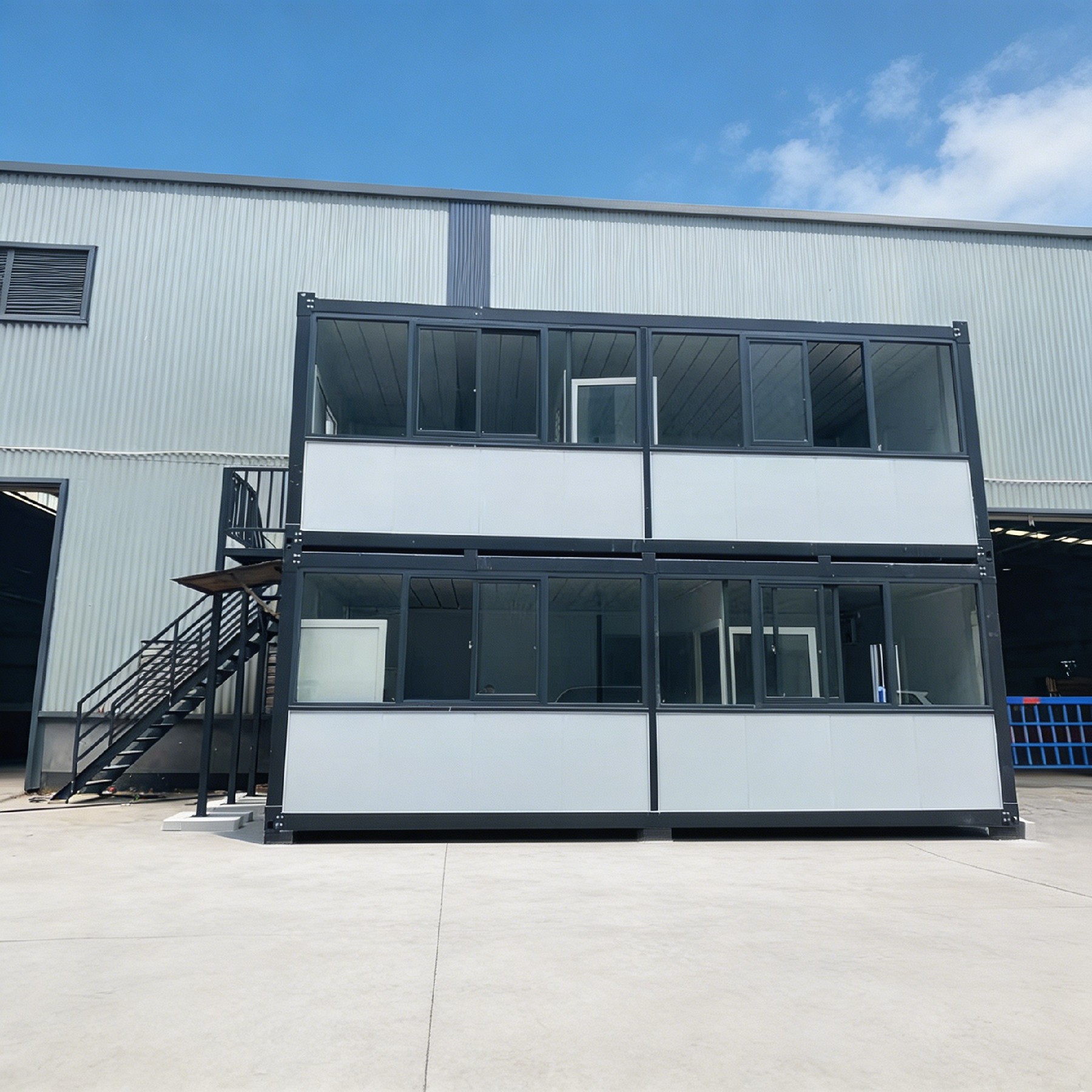
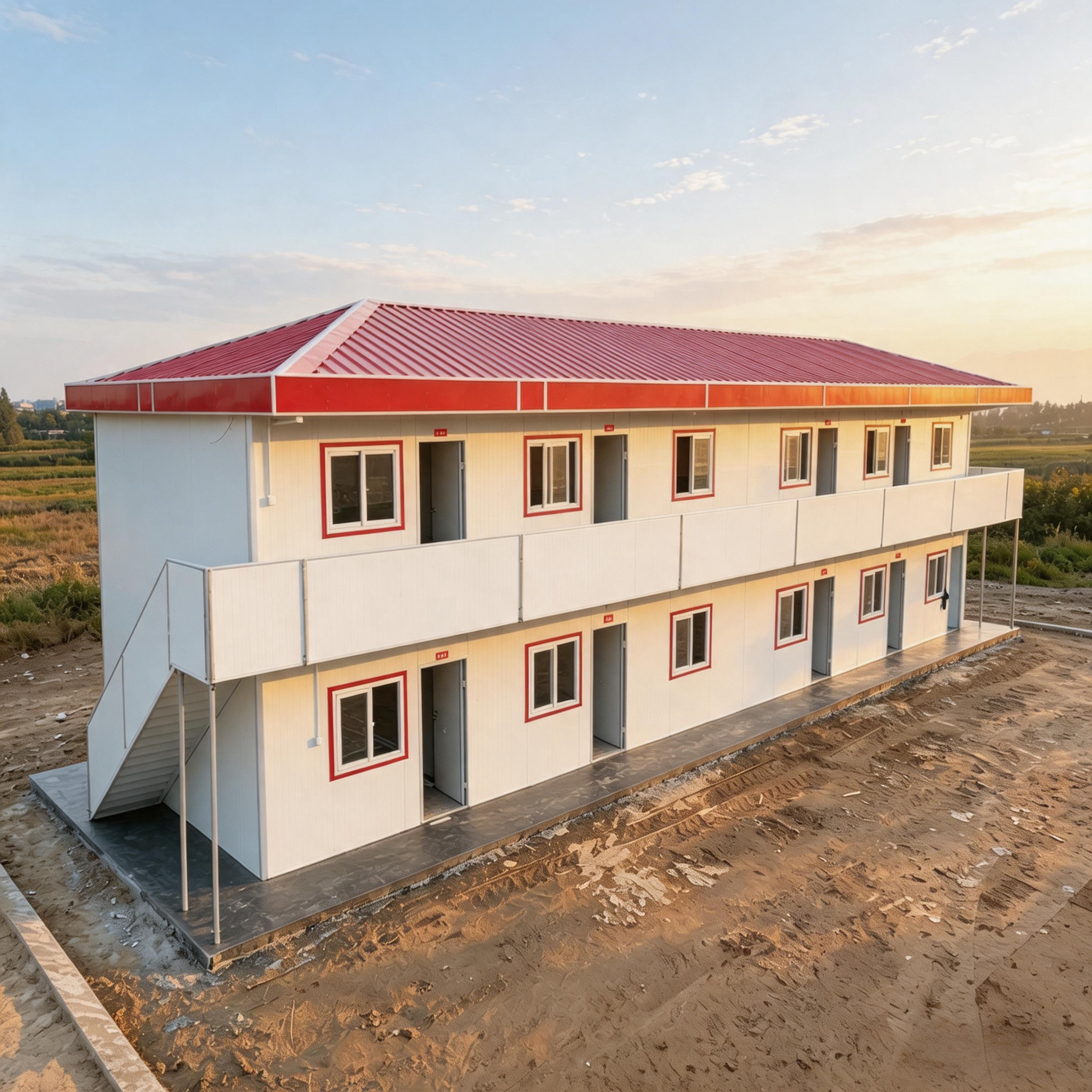
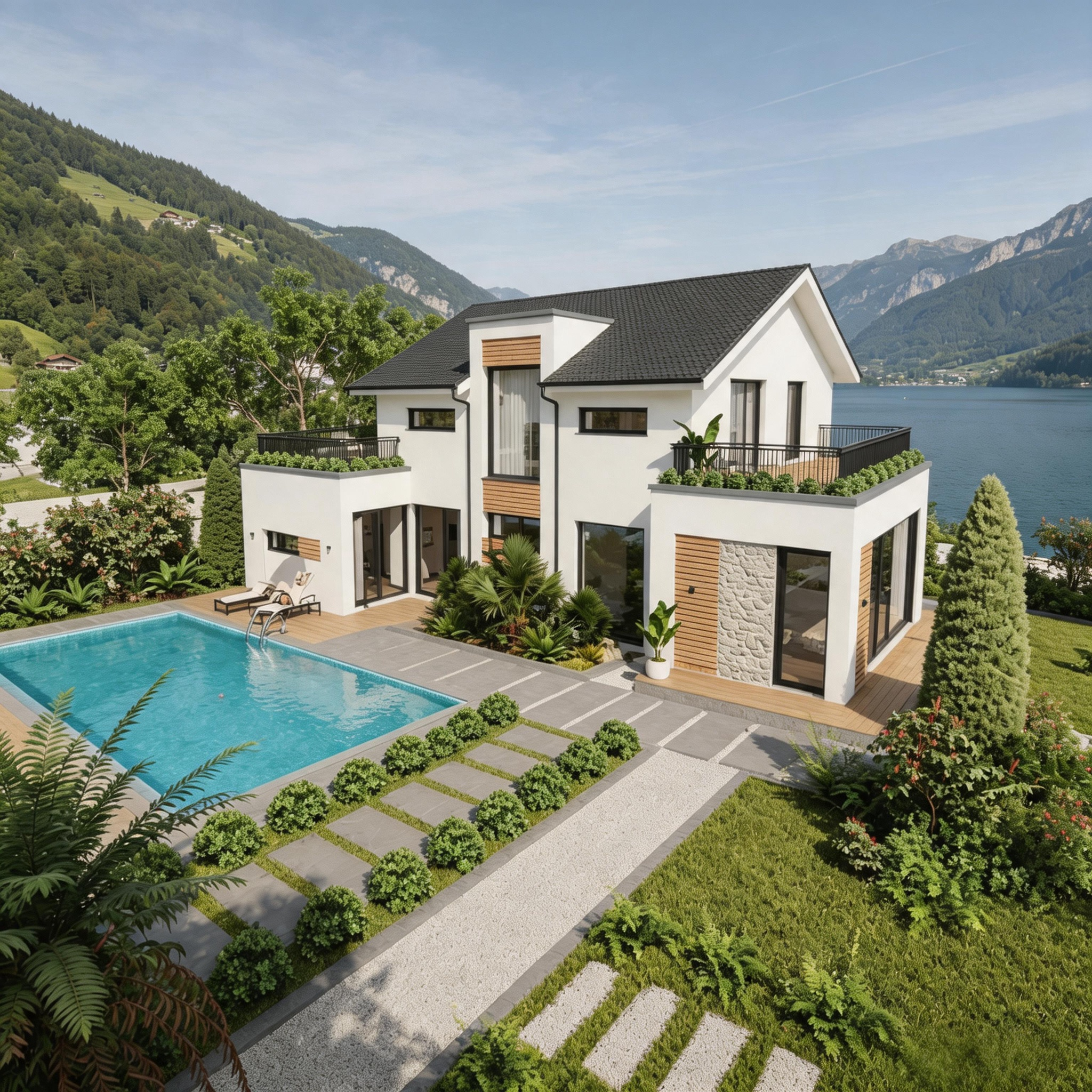
Η κατασκευή προκατασκευασμένων κατοικιών αποτελεί μία σύγχρονη μεθοδολογία κατασκευής, κατά την οποία οι δομικές συνιστώσες παράγονται σε ελεγχόμενα εργοστασιακά περιβάλλοντα προτού μεταφερθούν στο οικόπεδο κατασκευής για συναρμολόγηση. Αυτή η καινοτόμος προσέγγιση στην κατασκευή κατοικιών περιλαμβάνει την παραγωγή τοίχων, δαπέδων, δοκών οροφής και άλλων βασικών στοιχείων εκτός τόπου κατασκευής, διασφαλίζοντας ακρίβεια και έλεγχο ποιότητας σε όλη τη διαδικασία παραγωγής. Η κατασκευή προκατασκευασμένων κατοικιών αξιοποιεί προηγμένες τεχνολογίες, όπως συστήματα υπολογιστικής σχεδίασης (CAD), αυτοματοποιημένα μηχανήματα κοπής και πρωτόκολλα διασφάλισης ποιότητας που εγγυώνται συνεπή αποτελέσματα. Οι κύριες λειτουργίες αυτής της μεθόδου κατασκευής περιλαμβάνουν τη σημαντική μείωση του χρόνου κατασκευής, την ελαχιστοποίηση των αποβλήτων υλικών και την παροχή οικονομικά αποδοτικών λύσεων κατοικίας χωρίς να θυσιάζεται η δομική ακεραιότητα. Τα τεχνολογικά χαρακτηριστικά περιλαμβάνουν δυνατότητες μοντουλαριστικού σχεδιασμού, υλικά ανθεκτικά στις καιρικές συνθήκες, ενεργειακά αποδοτικά συστήματα μόνωσης και προσαρμοστικές διαρρυθμίσεις που ικανοποιούν διάφορες αρχιτεκτονικές προτιμήσεις. Οι εφαρμογές της καλύπτουν αναπτύξεις κατοικιών, καταφύγια έκτακτης ανάγκης, προσωρινές κατοικίες εργαζομένων, κατοικίες διακοπών και μόνιμες οικογενειακές κατοικίες σε αστικές και αγροτικές περιοχές. Η διαδικασία κατασκευής προκατασκευασμένων κατοικιών ενσωματώνει βιώσιμες πρακτικές μέσω της βελτιστοποίησης της χρήσης υλικών, της μείωσης της διαταραχής επί τόπου και της δυνατότητας καλύτερης διαχείρισης των πόρων. Τα σύγχρονα εργοστάσια προκατασκευής απασχολούν εξειδικευμένους τεχνίτες και χρησιμοποιούν προηγμένο εξοπλισμό για την παραγωγή δομικών στοιχείων που ανταποκρίνονται σε αυστηρά πρότυπα ασφαλείας και κανονισμούς οικοδομικής τεχνικής. Αυτή η προσέγγιση κατασκευής υποστηρίζει την ταχύτερη ολοκλήρωση έργων διατηρώντας υψηλά πρότυπα ποιότητας, καθιστώντας την όλο και πιο δημοφιλή επιλογή για αναπτυξιακούς φορείς, ιδιοκτήτες κατοικιών και οργανισμούς που αναζητούν αποτελεσματικές λύσεις κατασκευής στη σημερινή ανταγωνιστική αγορά ακινήτων.