Prefab Home Construction Solutions Guide

Get a Free Quote

Our representative will contact you soon.
Email
Name
Company Name
Message
0/1000

prefab home construction

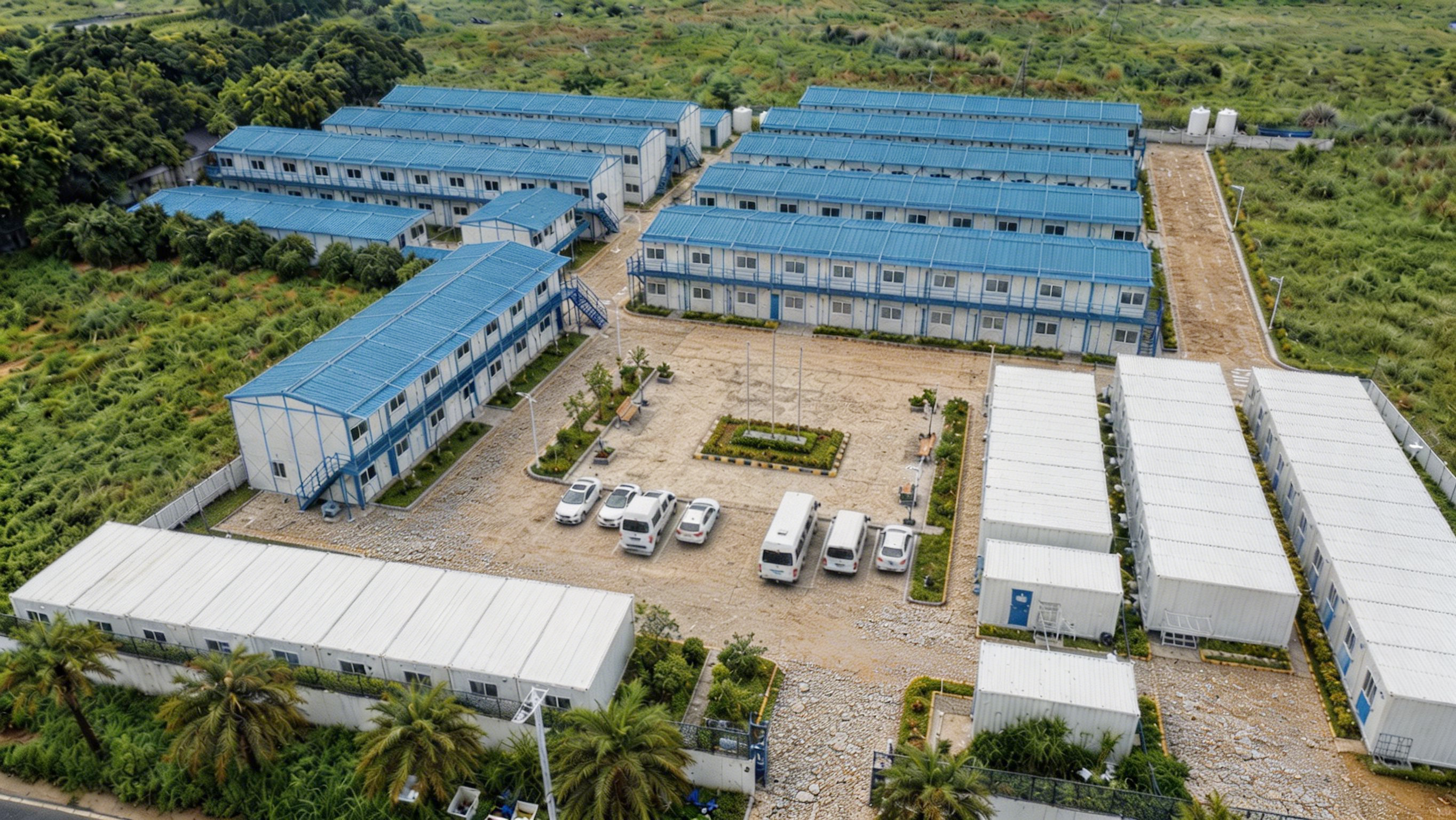
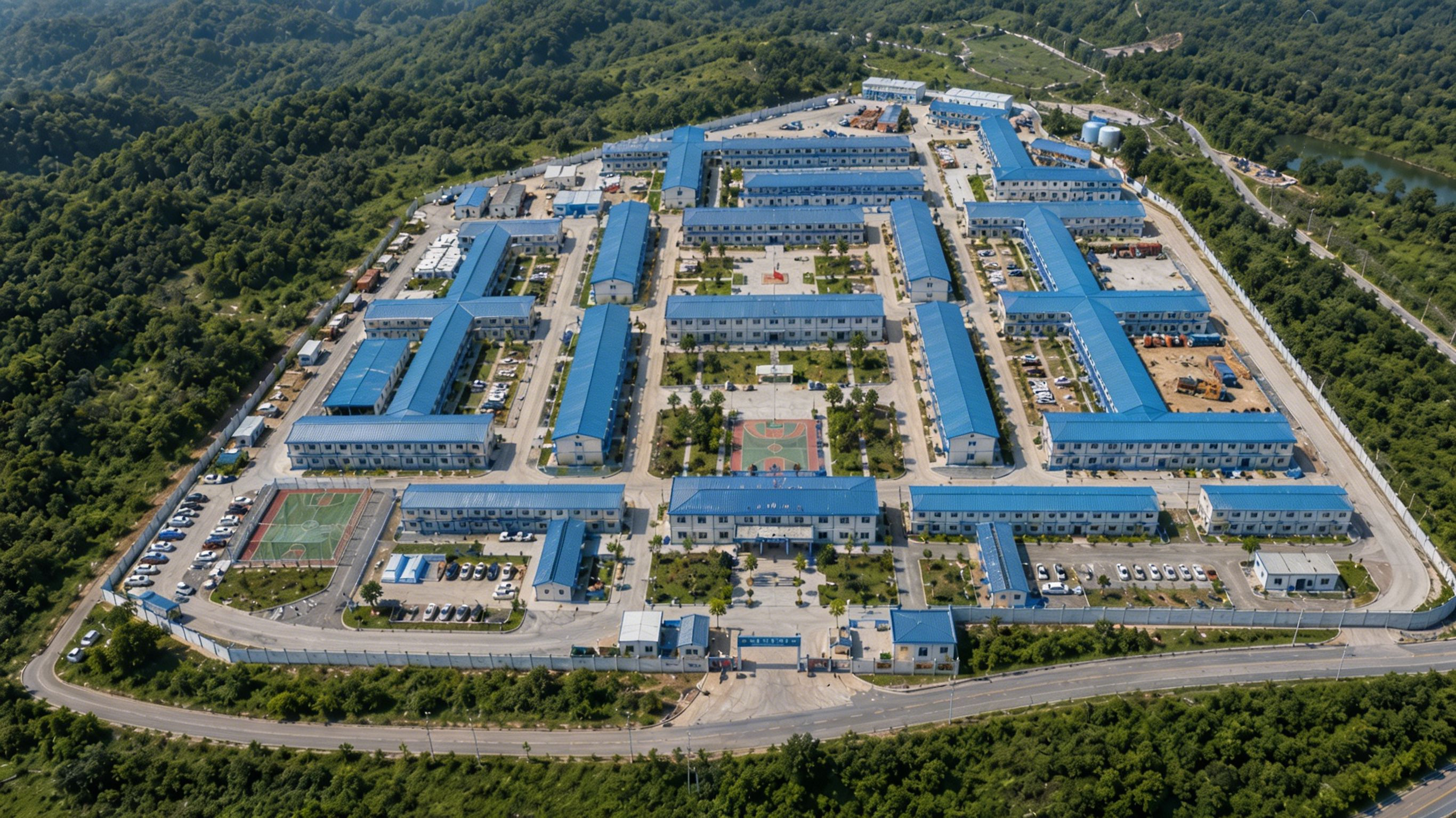
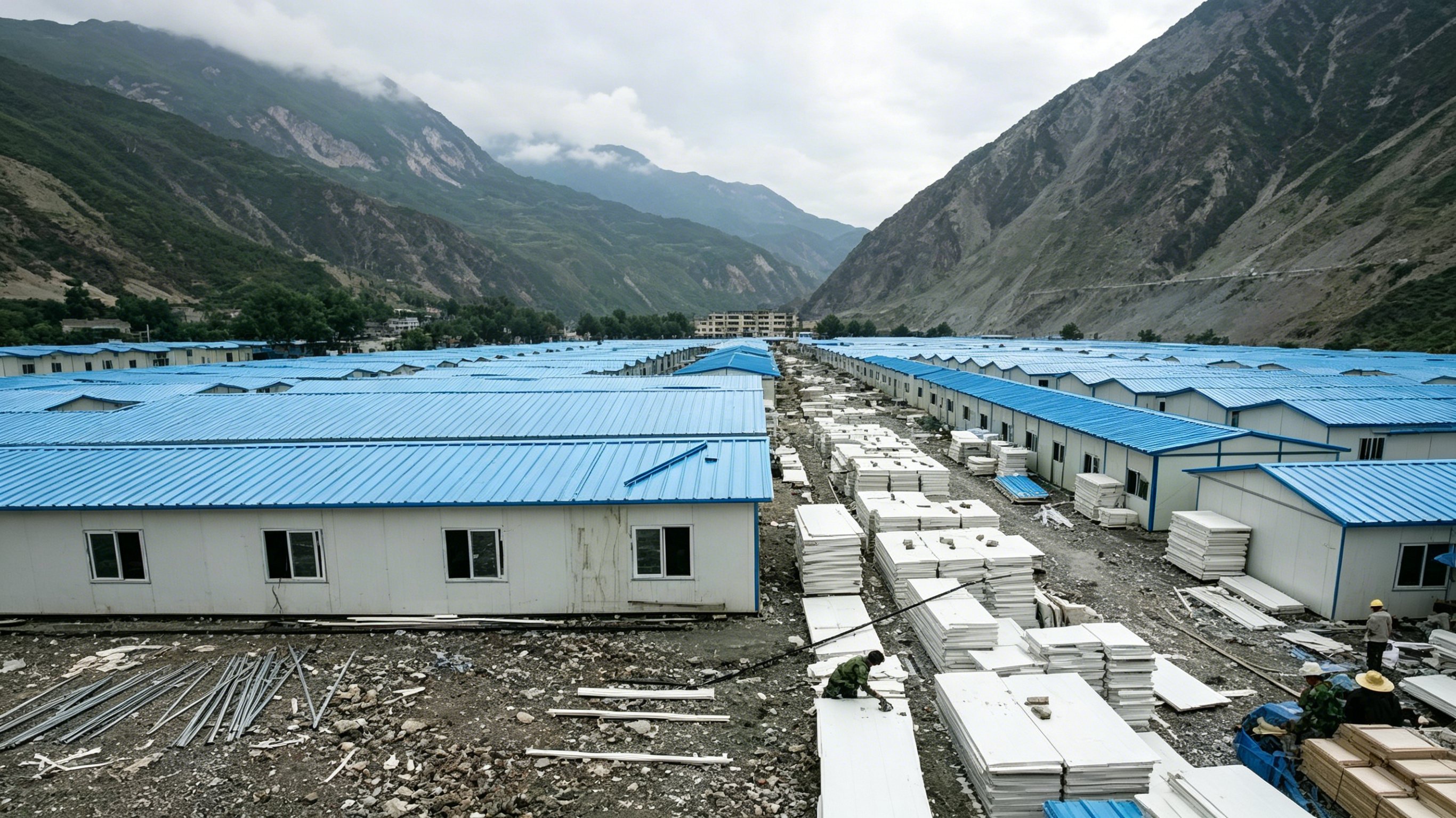
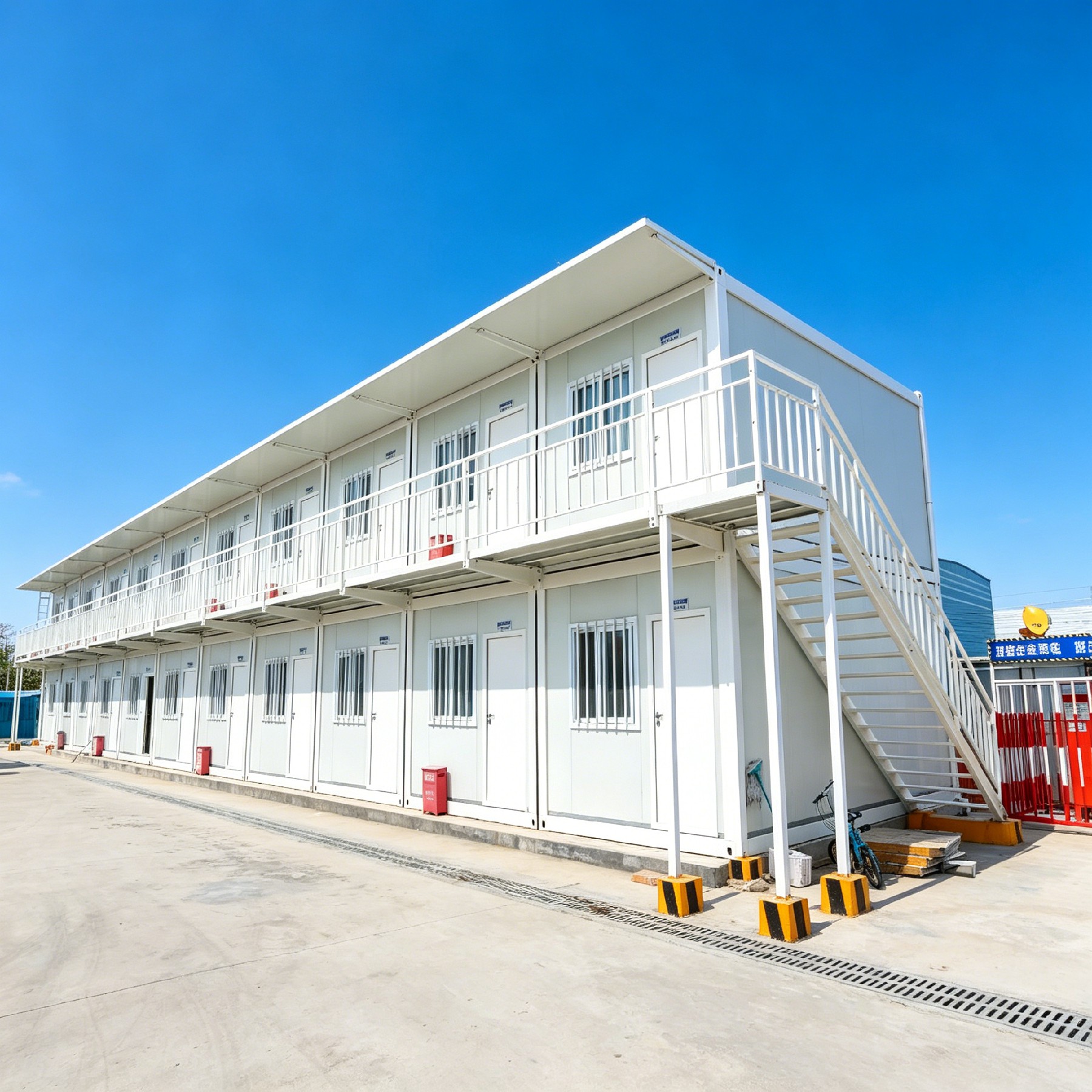
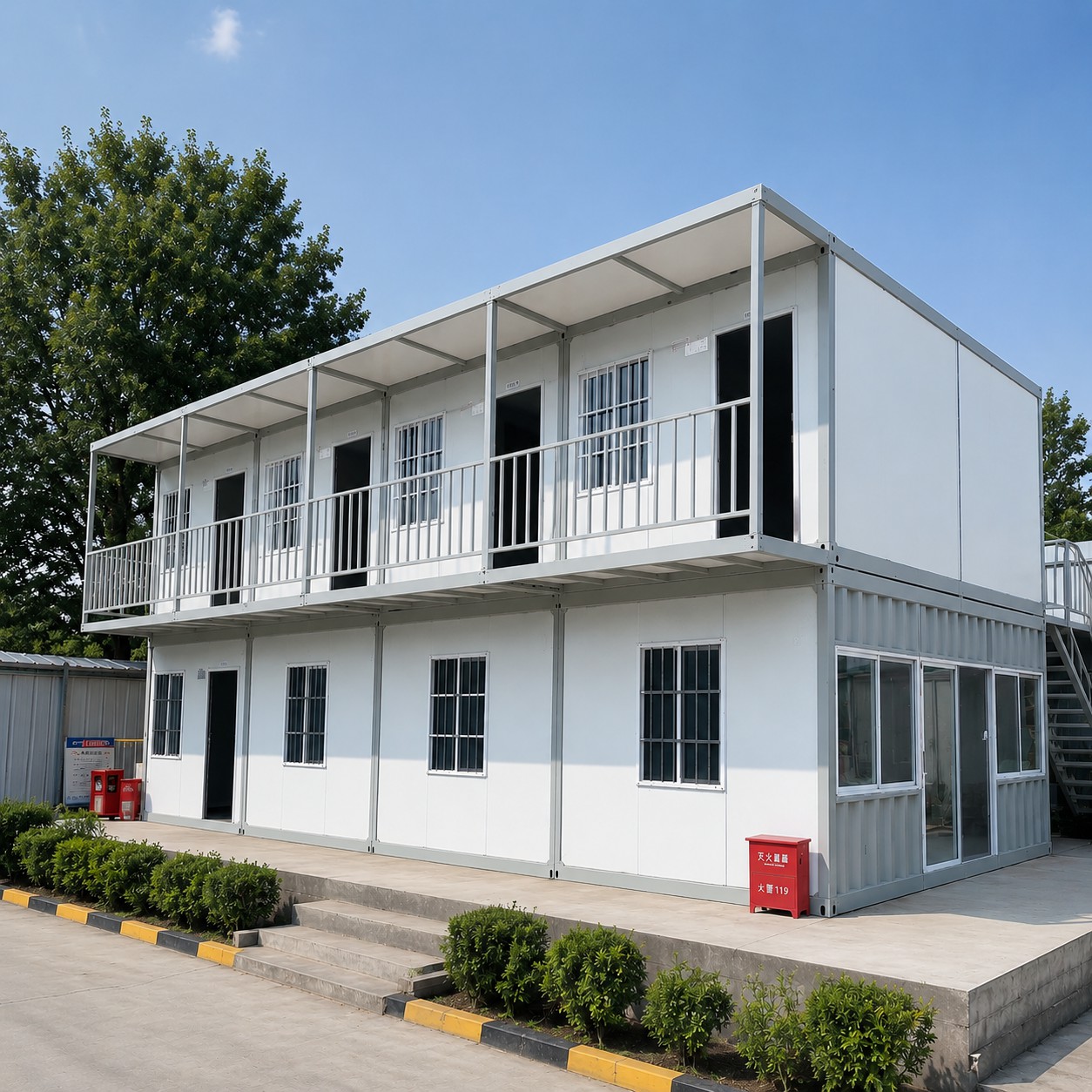
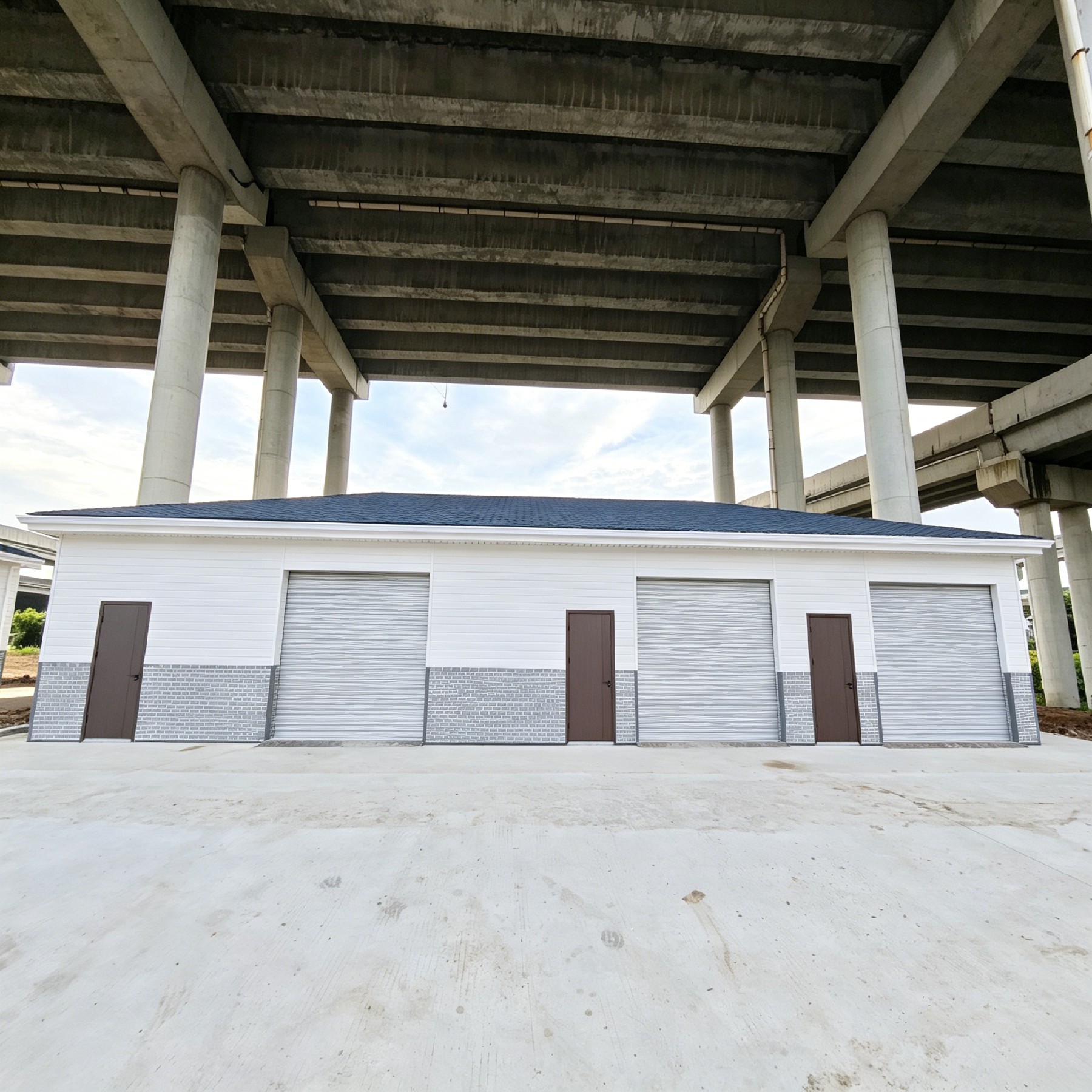
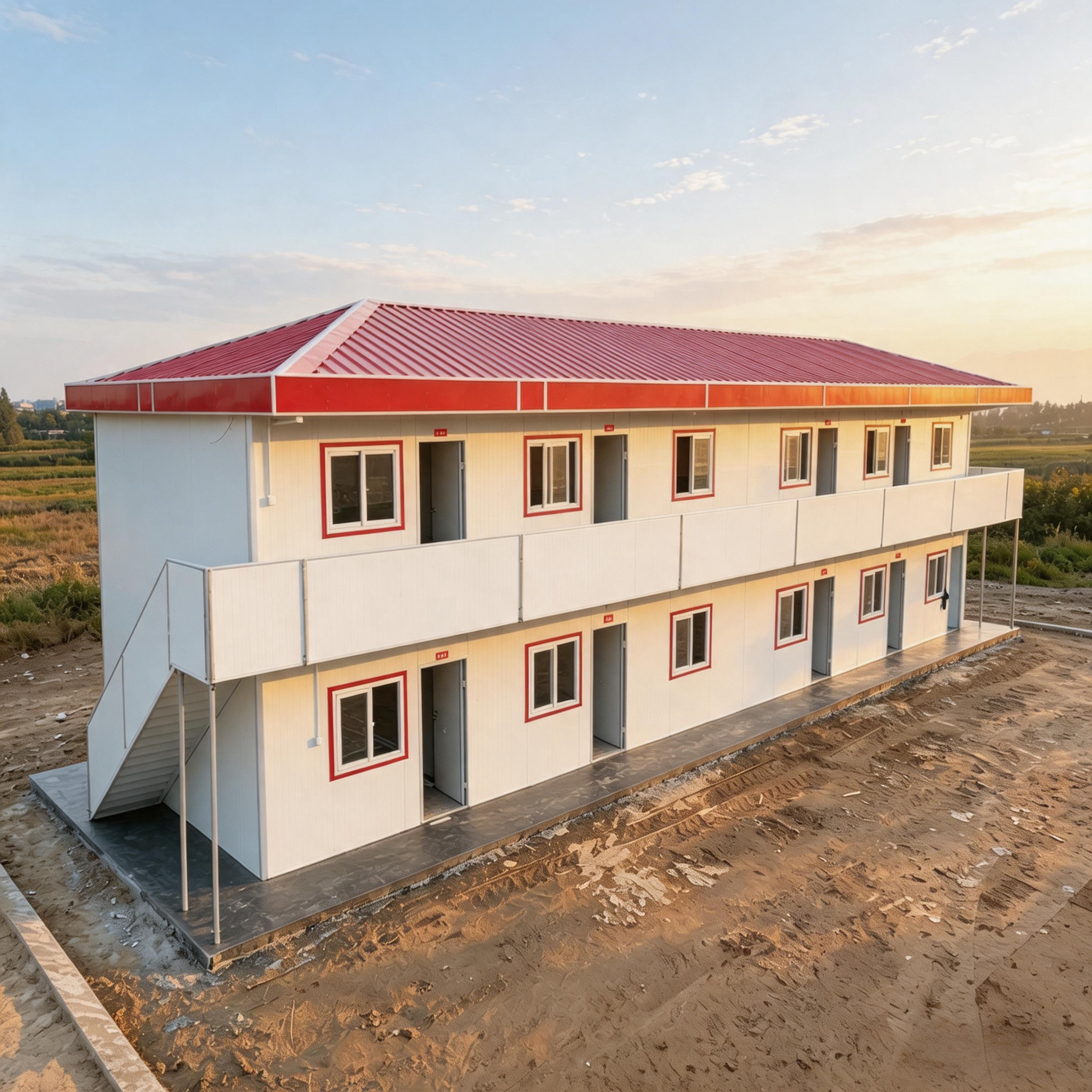
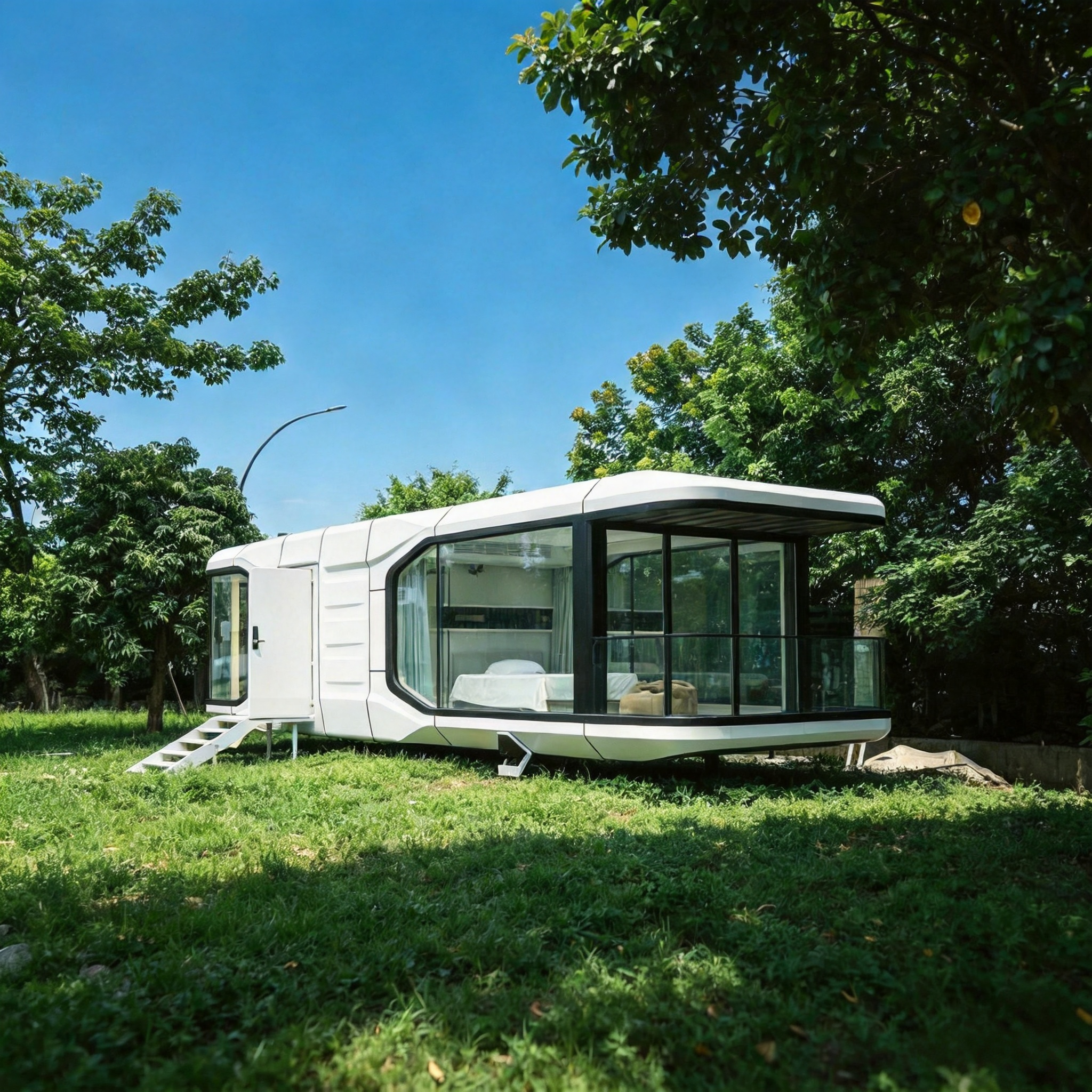
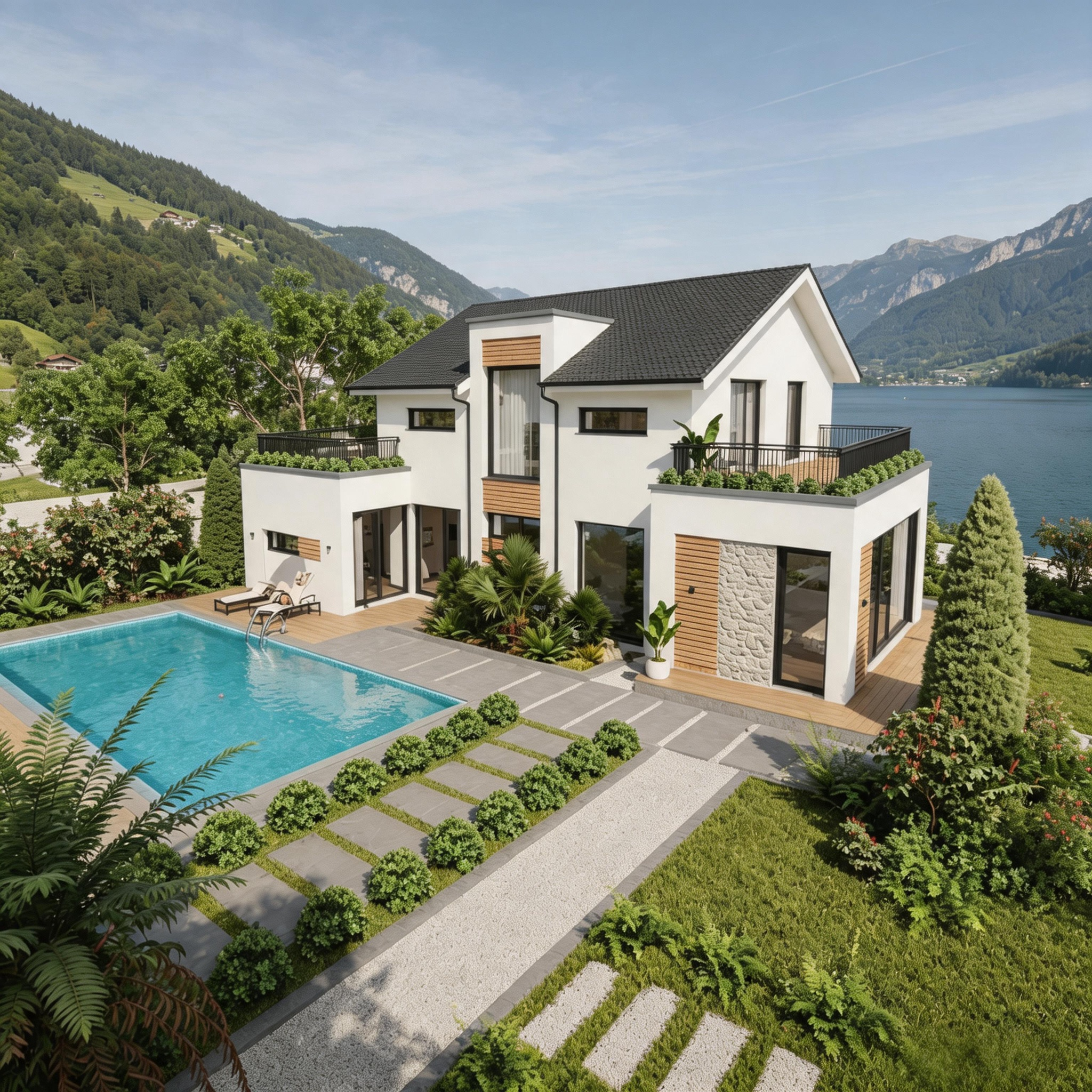
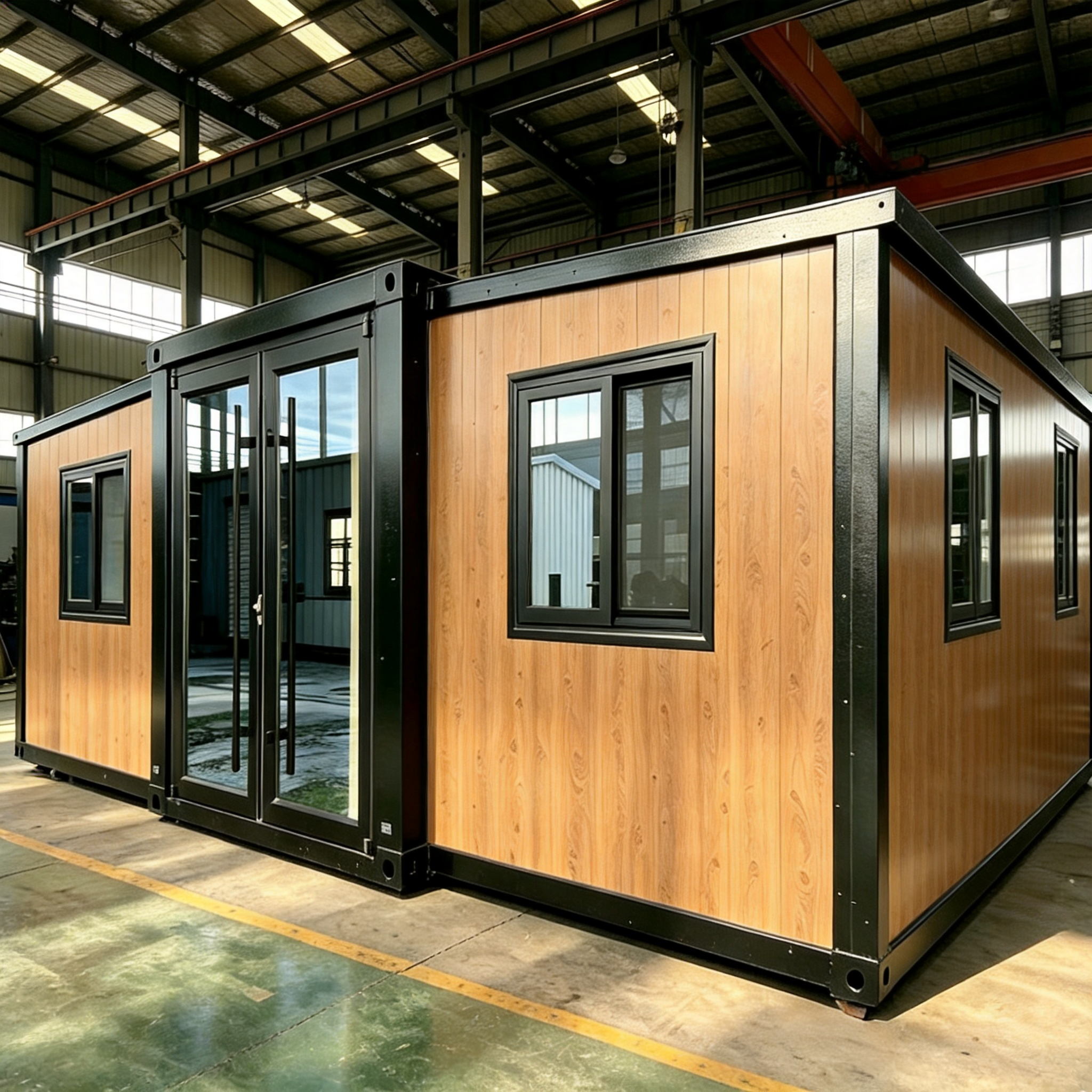
Prefab home construction represents a modern building approach where homes are manufactured in controlled factory environments before being transported and assembled on-site. This innovative construction method involves creating individual modules or panels in specialized facilities, ensuring precision engineering and quality control throughout the production process. Prefab home construction utilizes advanced manufacturing techniques, including computer-aided design systems and automated cutting equipment, to produce building components with exceptional accuracy. The construction process typically involves designing the home layout, fabricating wall panels, floor systems, and roof trusses in the factory, then transporting these components to the building site for final assembly. This method significantly reduces on-site construction time, often completing projects in weeks rather than months. The technological features include weatherproof materials, energy-efficient insulation systems, and integrated utility installations completed during factory production. Prefab home construction applications span residential developments, affordable housing projects, vacation properties, and emergency shelter solutions. The versatility of this construction approach allows for extensive customization options, accommodating various architectural styles from contemporary designs to traditional aesthetics. Modern prefab home construction incorporates sustainable building practices, utilizing eco-friendly materials and minimizing waste through precise material calculations. The controlled manufacturing environment ensures consistent quality standards, protection from weather-related delays, and enhanced structural integrity through rigorous testing procedures before delivery to the construction site.

New Products

Prefab home construction delivers substantial time savings compared to traditional building methods, typically reducing construction schedules by forty to sixty percent. This accelerated timeline means homeowners can move into their properties much faster, avoiding extended rental payments and achieving their housing goals sooner. Cost efficiency stands as a major advantage, with prefab home construction often costing fifteen to twenty percent less than conventional builds due to bulk material purchasing, reduced labor expenses, and minimized weather-related delays. The factory-controlled environment eliminates weather disruptions, ensuring consistent progress regardless of seasonal conditions or unexpected storms that typically halt traditional construction sites. Quality control reaches superior levels in prefab home construction because every component undergoes rigorous inspection during manufacturing, resulting in fewer defects and higher overall build quality. Energy efficiency comes standard with modern prefab homes, featuring superior insulation, precise sealing, and advanced climate control systems that reduce utility bills significantly over the home's lifetime. Environmental benefits include reduced construction waste, with factory settings recycling up to ninety percent of excess materials compared to twenty to thirty percent at traditional sites. The construction site remains cleaner and less disruptive to neighborhoods, with minimal noise pollution and shorter periods of active construction activity. Financing often proves easier for prefab home construction projects because lenders recognize the reduced risk associated with controlled manufacturing processes and predictable completion timelines. Customization options remain extensive despite the manufactured approach, allowing buyers to select floor plans, finishes, fixtures, and exterior designs that reflect personal preferences while maintaining cost advantages and quick delivery schedules.

Latest News

Lufeng Nuclear Power Plant Living Quarter

29

Jun

Lufeng Nuclear Power Plant Living Quarter

View More
 Large-scale camp settled in Guangzhou Baiyun Airport expansion project.

16

Jun

Large-scale camp settled in Guangzhou Baiyun Airport expansion project.

View More
Racing Against Time to Provide Warm, Safe Shelter!

29

Jun

Racing Against Time to Provide Warm, Safe Shelter!

View More

Get a Free Quote

Our representative will contact you soon.
Email
Name
Company Name
Message
0/1000

prefab home construction

Superior Quality Control and Precision Engineering

Superior Quality Control and Precision Engineering

Prefab home construction excels in delivering exceptional quality through factory-based manufacturing processes that eliminate common construction inconsistencies. Every component undergoes multiple inspection points during production, ensuring materials meet exact specifications before assembly begins. The controlled indoor environment protects building materials from moisture damage, warping, and weathering that frequently compromise traditional construction sites. Advanced machinery cuts components with millimeter-level precision, creating tight-fitting joints that enhance structural integrity and energy efficiency. Skilled technicians work in optimal conditions with proper lighting, ergonomic workstations, and access to specialized tools, resulting in superior craftsmanship throughout the build. This systematic approach to prefab home construction means homeowners receive properties with fewer callbacks, reduced maintenance needs, and longer-lasting structural performance. The factory setting allows for continuous improvement protocols, where manufacturing teams refine techniques and identify potential issues before they reach the building site, ensuring each home benefits from accumulated expertise and proven best practices.
Accelerated Construction Timelines and Predictable Schedules

Accelerated Construction Timelines and Predictable Schedules

Prefab home construction revolutionizes project timelines by enabling simultaneous site preparation and home manufacturing, effectively cutting total construction time in half. While foundation work proceeds at the building location, factory teams complete wall assemblies, install electrical systems, and finish interior components, maximizing efficiency through parallel workflow processes. Weather independence represents a crucial advantage, as manufacturing continues uninterrupted regardless of rain, snow, extreme temperatures, or seasonal limitations that routinely delay traditional builds. This reliability allows for accurate completion date predictions, helping families plan relocations, sell existing properties, and coordinate moving schedules with confidence. The compressed timeline reduces financing carrying costs, temporary housing expenses, and the stress associated with prolonged construction uncertainty. Prefab home construction companies maintain detailed production schedules, providing regular updates and transparent communication throughout the manufacturing and assembly phases. Quick occupancy means homeowners start building equity sooner, avoid extended rental obligations, and begin enjoying their investment without the frustrating delays common in conventional construction projects.
Enhanced Sustainability and Environmental Responsibility

Enhanced Sustainability and Environmental Responsibility

Prefab home construction prioritizes environmental stewardship through efficient resource utilization and waste reduction strategies impossible to achieve at traditional construction sites. Factory settings enable precise material calculations, ordering exact quantities needed and virtually eliminating the overordering waste that plagues conventional builds. Scrap materials generated during manufacturing feed directly into recycling systems, with organized collection processes recovering wood, metal, drywall, and packaging materials for reuse or proper recycling. Energy-efficient design comes standard in prefab home construction, with enhanced insulation packages, high-performance windows, and tight building envelopes that reduce heating and cooling demands by thirty to fifty percent compared to code-minimum traditional homes. Many manufacturers incorporate sustainable materials including recycled steel framing, low-VOC finishes, and responsibly sourced lumber certified by environmental organizations. The reduced site disturbance minimizes ecological impact on the building location, preserving existing vegetation, preventing soil erosion, and limiting construction vehicle traffic that compacts earth and damages surrounding landscapes. Long-term sustainability continues through durable construction quality that extends building lifespan and reduces renovation frequency, making prefab home construction an environmentally conscious choice for responsible homeowners.
Inquiry Inquiry Email Email WhatsApp WhatsApp
WhatsApp
Wechat Wechat
Wechat
Prefab Home Construction Solutions Guide