Prefabricated Homes Prices Guide 2024

Get a Free Quote

Our representative will contact you soon.
Email
Name
Company Name
Message
0/1000

prefabricated homes prices

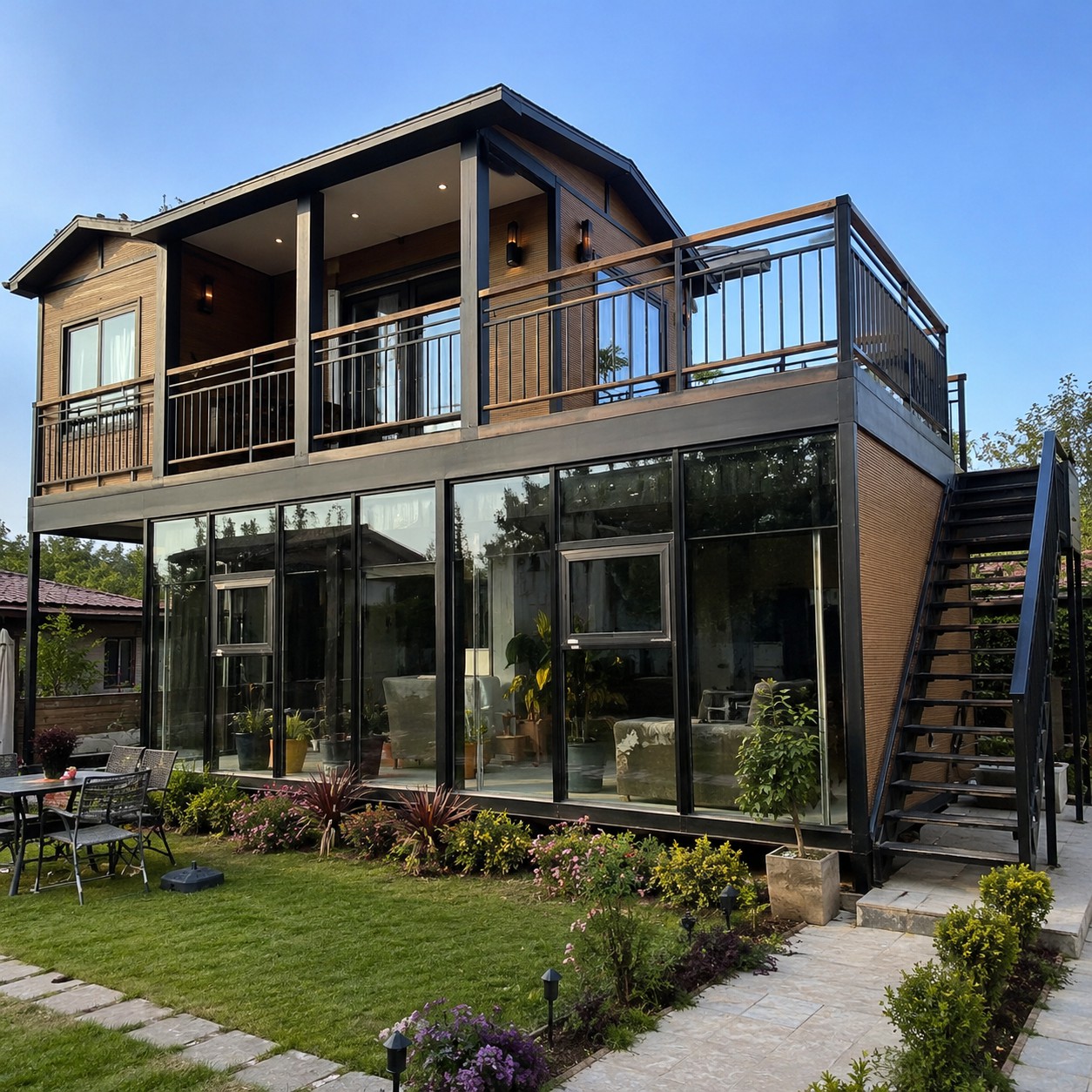
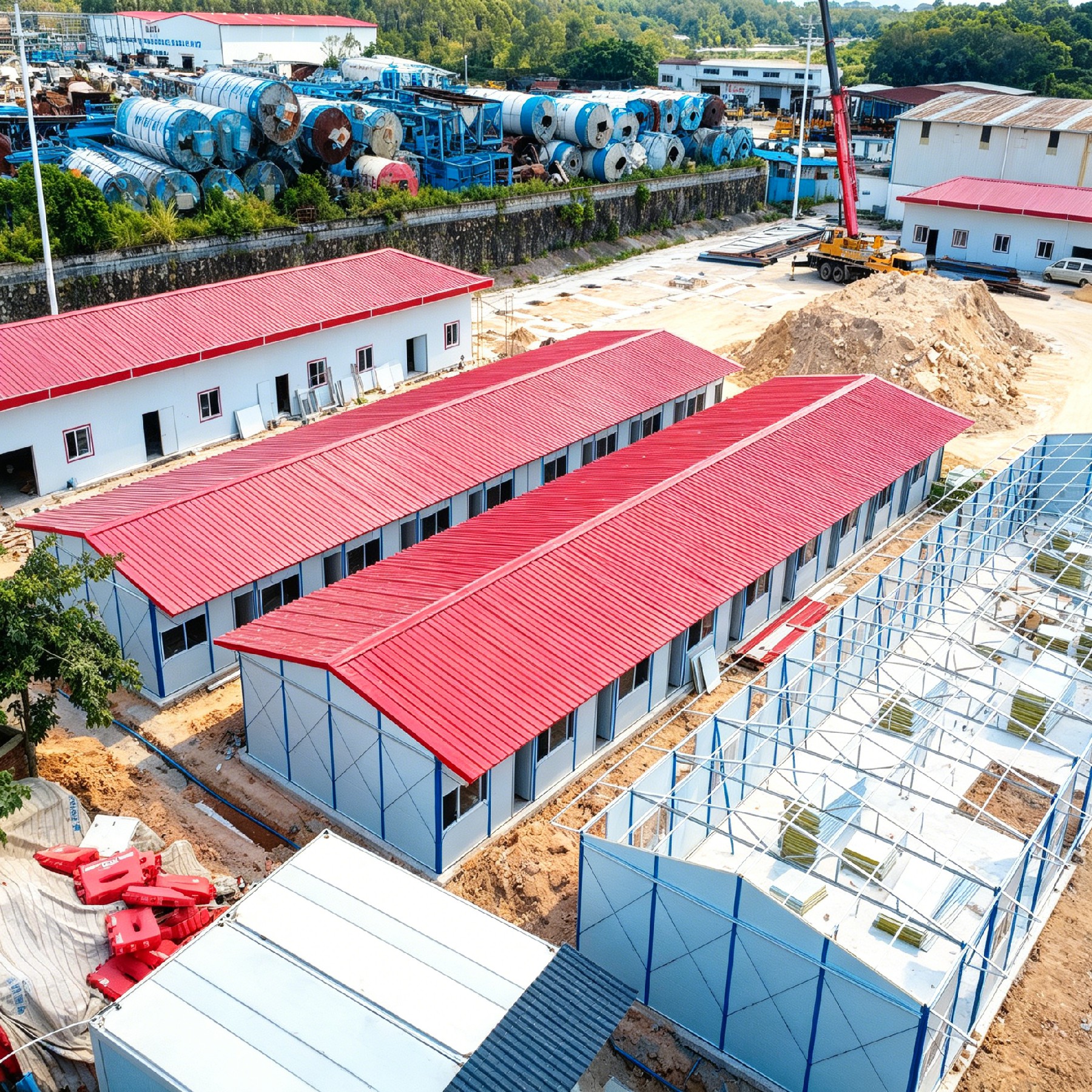
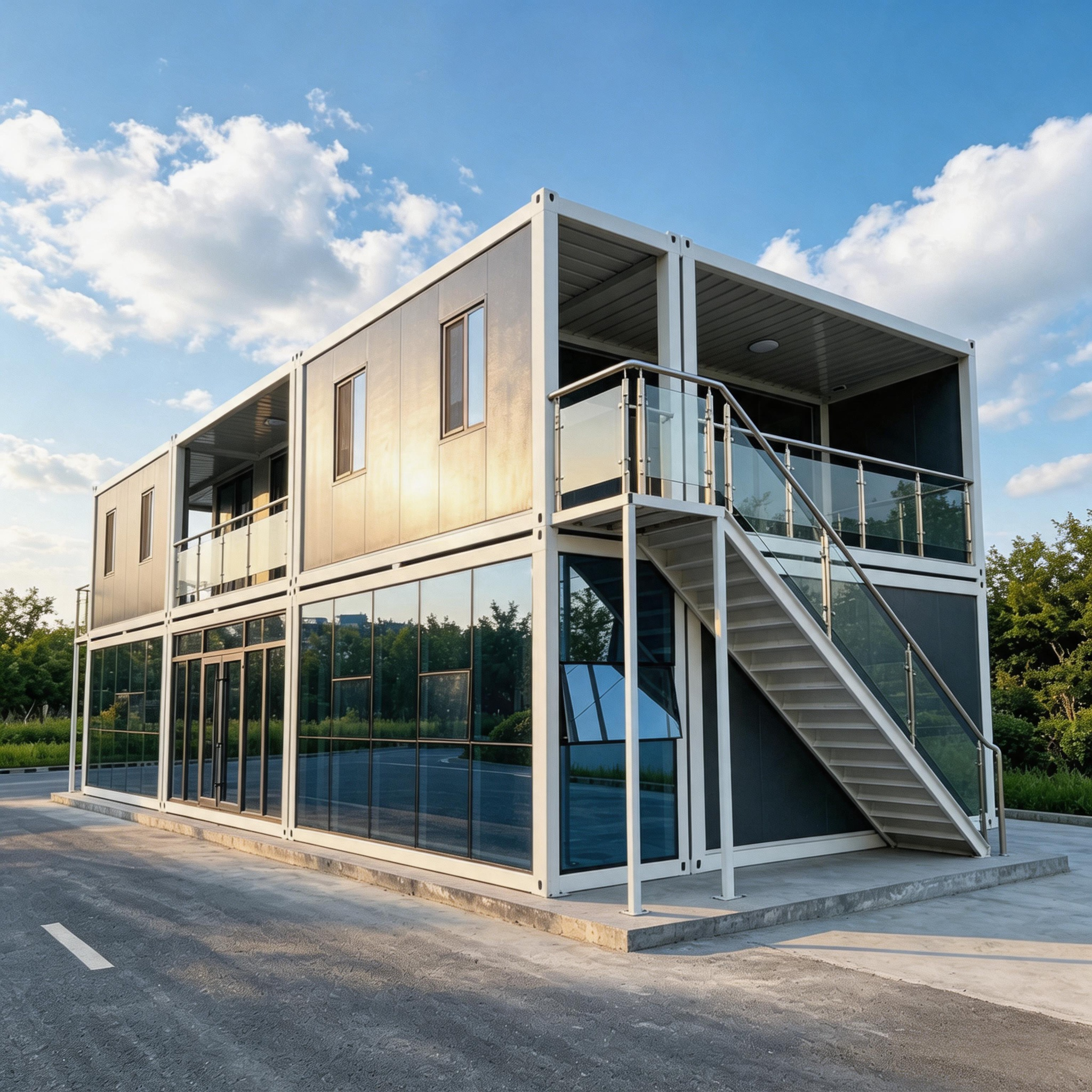
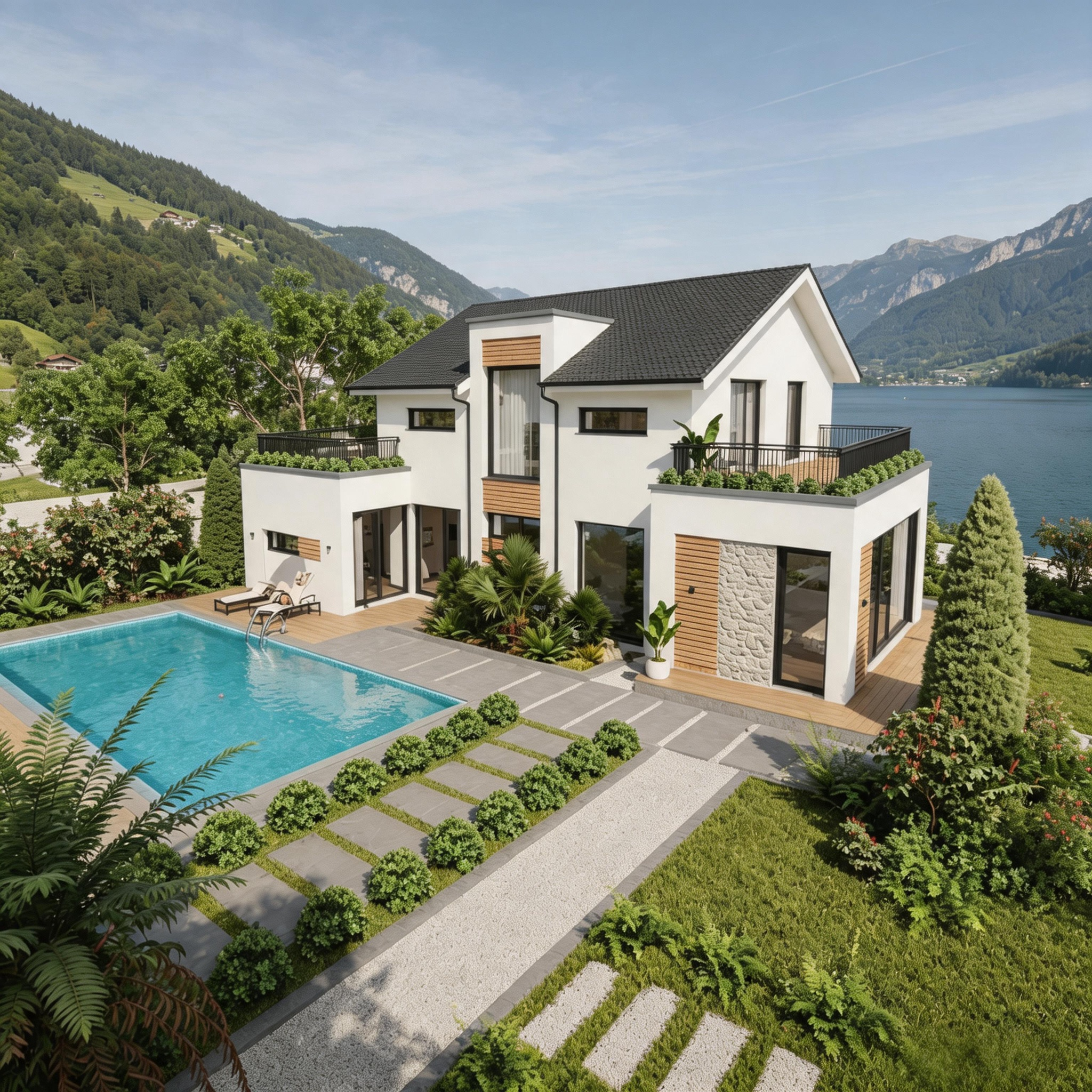
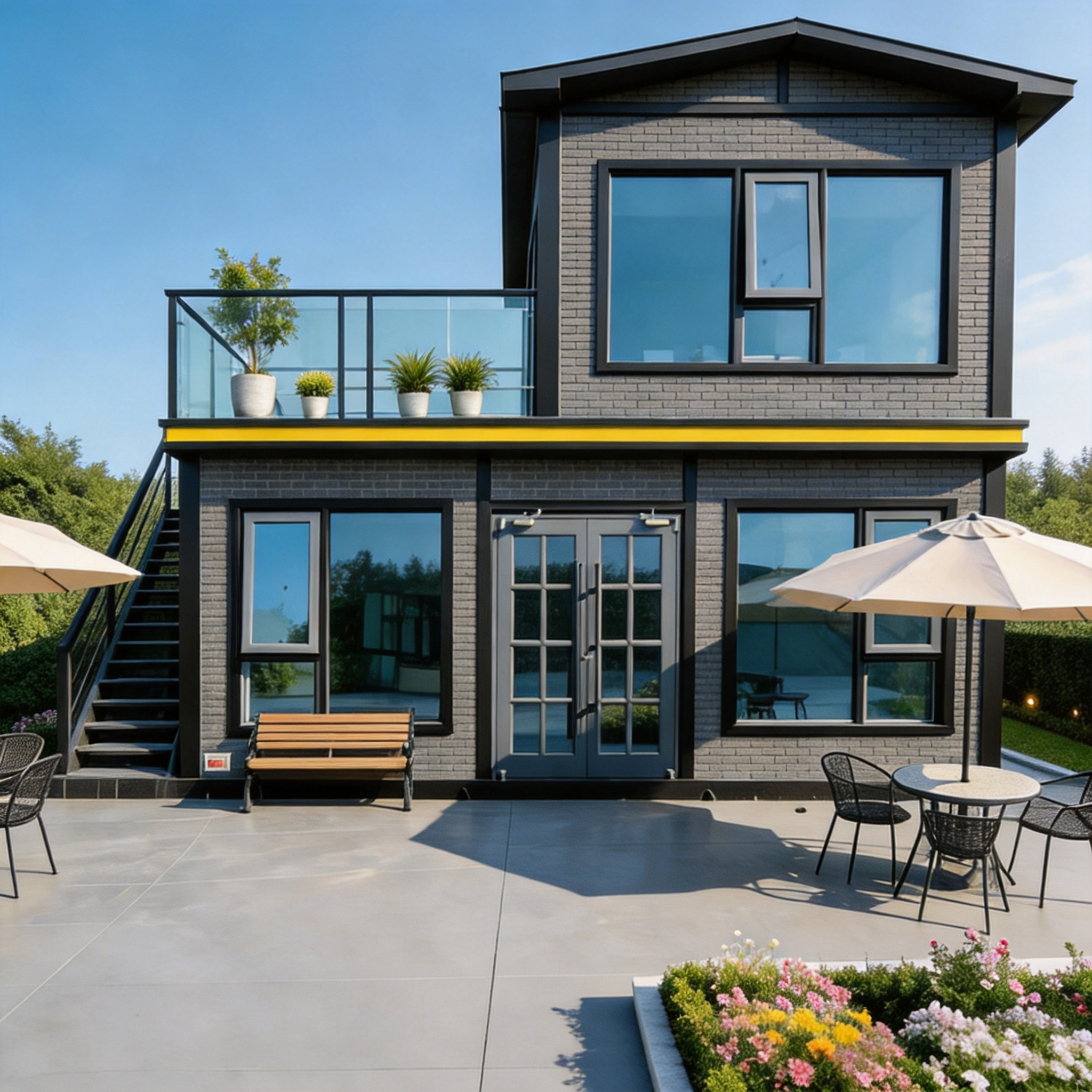
Understanding prefabricated homes prices is essential for anyone considering modern, efficient housing solutions. Prefabricated homes, also known as prefab or modular homes, are residential structures manufactured off-site in controlled factory environments before being transported and assembled at their final location. The pricing structure for these homes varies significantly based on multiple factors including size, design complexity, materials used, and customization level. Prefabricated homes prices typically range from $50 to $150 per square foot for basic models, while premium designs can reach $200 per square foot or higher. These costs generally include the main structure, basic finishes, and standard fixtures. The main functions of prefabricated homes encompass providing affordable, quality housing with reduced construction time and minimized site disruption. Technologically, these homes feature advanced manufacturing processes including precision cutting, computer-aided design, quality-controlled assembly, and energy-efficient construction methods. Modern prefab homes incorporate sustainable materials, superior insulation systems, and smart home technology integration. Applications span residential housing, vacation retreats, guest accommodations, workforce housing, disaster relief shelters, and affordable housing developments. The construction process reduces waste by up to 50 percent compared to traditional building methods. Prefabricated homes prices reflect the efficiency of factory production, bulk material purchasing, and streamlined labor costs, making them increasingly competitive with conventional construction while offering faster occupancy timelines and predictable budgeting.

New Product Recommendations

Choosing prefabricated housing offers significant financial advantages that directly impact your bottom line. When comparing prefabricated homes prices to traditional construction, you can save 10 to 25 percent on overall project costs due to efficient manufacturing processes and reduced labor expenses. The factory-controlled environment eliminates weather delays, meaning your project stays on schedule and within budget. You receive transparent pricing upfront, allowing accurate financial planning without surprise cost overruns common in site-built projects. The accelerated construction timeline means you can occupy your home in weeks rather than months, saving on temporary housing costs and enabling faster return on investment for rental properties. Energy efficiency built into prefab construction reduces utility bills by 20 to 30 percent annually through superior insulation, tight construction tolerances, and modern HVAC systems. Maintenance costs remain lower over the home's lifetime due to quality-controlled manufacturing and durable materials selected for longevity. Prefabricated homes prices include standardized components that simplify future repairs and replacements. The reduced construction waste translates to lower disposal fees and environmental impact. Financing options have expanded as lenders increasingly recognize prefab quality, offering competitive mortgage rates similar to traditional homes. Insurance premiums often match or undercut conventional housing rates due to superior construction standards. The resale value appreciation follows market trends comparable to site-built homes, protecting your investment. Customization options allow you to balance budget constraints with personal preferences, selecting finishes and features that align with your financial goals while maintaining quality standards that ensure long-term satisfaction and value retention.

Tips And Tricks

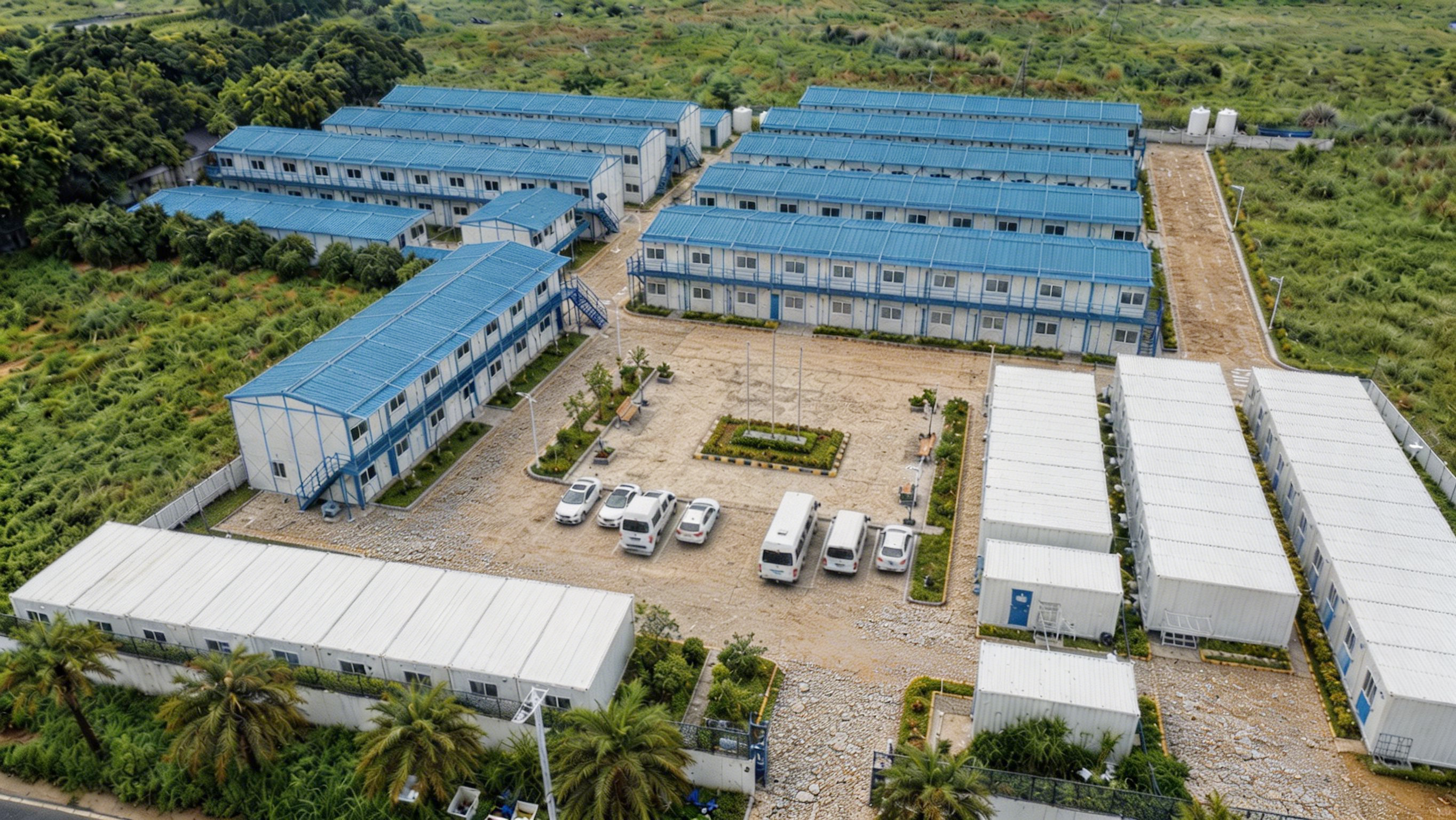
Lufeng Nuclear Power Plant Living Quarter

29

Jun

Lufeng Nuclear Power Plant Living Quarter

View More
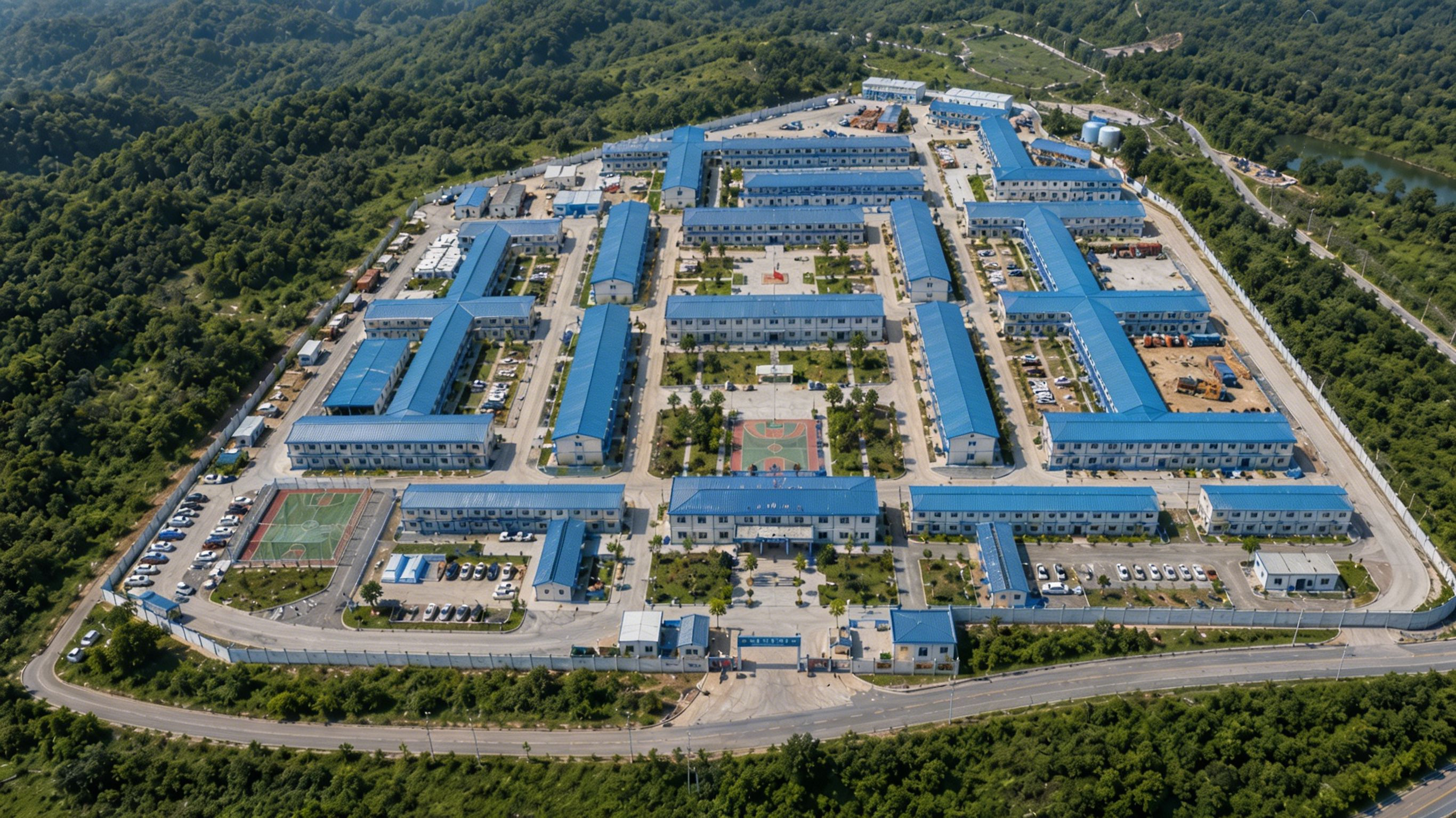
 Large-scale camp settled in Guangzhou Baiyun Airport expansion project.

16

Jun

Large-scale camp settled in Guangzhou Baiyun Airport expansion project.

View More
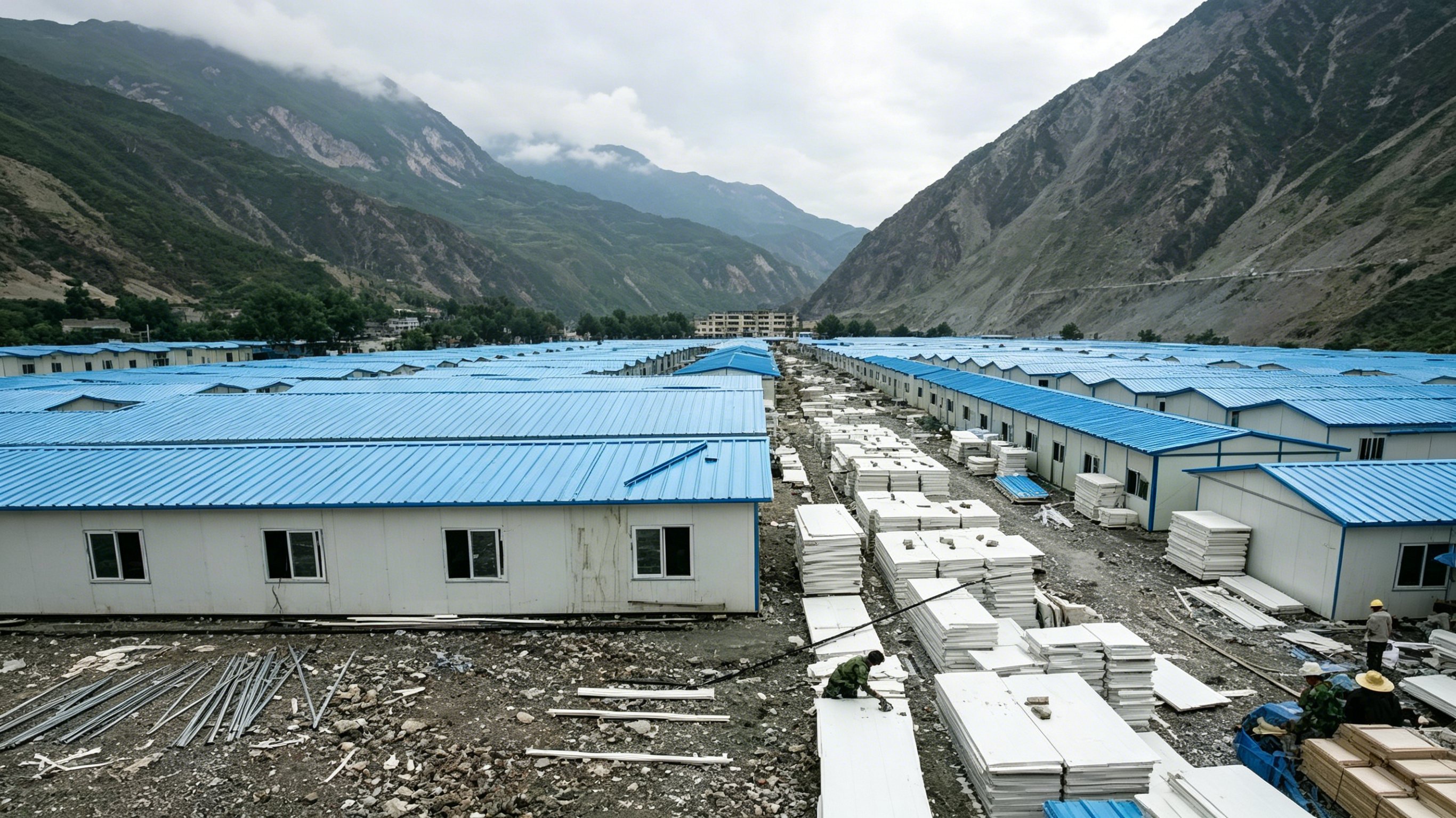
Racing Against Time to Provide Warm, Safe Shelter!

29

Jun

Racing Against Time to Provide Warm, Safe Shelter!

View More

Get a Free Quote

Our representative will contact you soon.
Email
Name
Company Name
Message
0/1000

prefabricated homes prices

Cost Transparency and Predictable Budgeting

Cost Transparency and Predictable Budgeting

One of the most compelling aspects when evaluating prefabricated homes prices is the exceptional cost transparency throughout the entire purchasing process. Unlike traditional construction where change orders, material price fluctuations, and unexpected site conditions frequently inflate final costs by 15 to 30 percent, prefab manufacturers provide detailed, itemized quotes that lock in pricing early in the process. This transparency allows you to make informed decisions about upgrades, finishes, and optional features without guessing at their impact on your budget. Factory production operates on established timelines with fixed labor costs, eliminating the uncertainty of contractor availability and weather-related delays that traditionally add thousands to project expenses. You receive clear documentation of what is included in the base price versus optional upgrades, preventing misunderstandings and enabling accurate comparison shopping between manufacturers. This predictability extends to financing, as lenders can approve loans with confidence in the final cost, streamlining the mortgage process. The detailed pricing breakdown also helps you prioritize features that matter most, potentially allocating savings from efficient construction toward higher-quality finishes or additional square footage that enhances your living experience and property value.
Rapid Construction Timeline Delivers Faster Occupancy

Rapid Construction Timeline Delivers Faster Occupancy

The speed advantage directly influences prefabricated homes prices by reducing carrying costs and enabling quicker occupancy than traditional building methods. While conventional homes require six to twelve months from groundbreaking to move-in, prefabricated construction delivers completed homes in as little as eight to sixteen weeks. This accelerated timeline results from simultaneous site preparation and factory manufacturing, eliminating the sequential delays inherent in traditional construction. Your foundation work progresses while the home components are precision-manufactured in climate-controlled facilities, maximizing efficiency and minimizing idle time. Once delivered, professional crews assemble the major components in days rather than months, immediately weatherproofing the structure and allowing interior finishing to proceed rapidly. This speed translates to substantial savings on construction loans, temporary housing, storage fees, and property taxes on undeveloped land. For investment properties, faster occupancy means earlier rental income generation, improving cash flow and return on investment calculations. The reduced construction period also minimizes exposure to material price increases and labor cost inflation that can significantly impact projects with extended timelines. Quality control inspections occur throughout factory production rather than relying solely on periodic site visits, ensuring standards are met without delaying progress, ultimately delivering better value within the competitive prefabricated homes prices framework.
Energy Efficiency Reduces Long-Term Operating Costs

Energy Efficiency Reduces Long-Term Operating Costs

When analyzing prefabricated homes prices, the long-term operational savings from superior energy efficiency provide exceptional value that extends far beyond the initial purchase price. Factory construction enables precision assembly with minimal gaps and superior insulation installation that site-built homes struggle to achieve consistently. Controlled manufacturing environments allow thorough sealing of building envelopes, reducing air infiltration by up to 50 percent compared to conventional construction. This tightness, combined with high-performance windows, advanced insulation materials, and efficient HVAC systems, dramatically lowers heating and cooling costs throughout the home's lifetime. Many prefab manufacturers incorporate energy modeling during design phases, optimizing orientation, window placement, and thermal mass to maximize passive heating and cooling benefits. These features typically add modest upfront costs but deliver monthly utility savings of 100 to 300 dollars depending on climate and home size. Over a thirty-year mortgage period, these savings can total 36,000 to 108,000 dollars, effectively subsidizing a significant portion of your initial investment. Modern prefabricated homes often qualify for energy efficiency tax credits and utility rebates, further improving financial returns. The sustainable construction practices also future-proof your investment as energy codes become stricter and utility costs rise, maintaining your home's market competitiveness and resale value within the evolving landscape of residential real estate.
Inquiry Inquiry Email Email WhatsApp WhatsApp
WhatsApp
Wechat Wechat
Wechat
Prefabricated Homes Prices Guide 2024