Steel Structure Buildings Cost Guide & Benefits

Get a Free Quote

Our representative will contact you soon.
Email
Name
Company Name
Message
0/1000

steel structure buildings cost

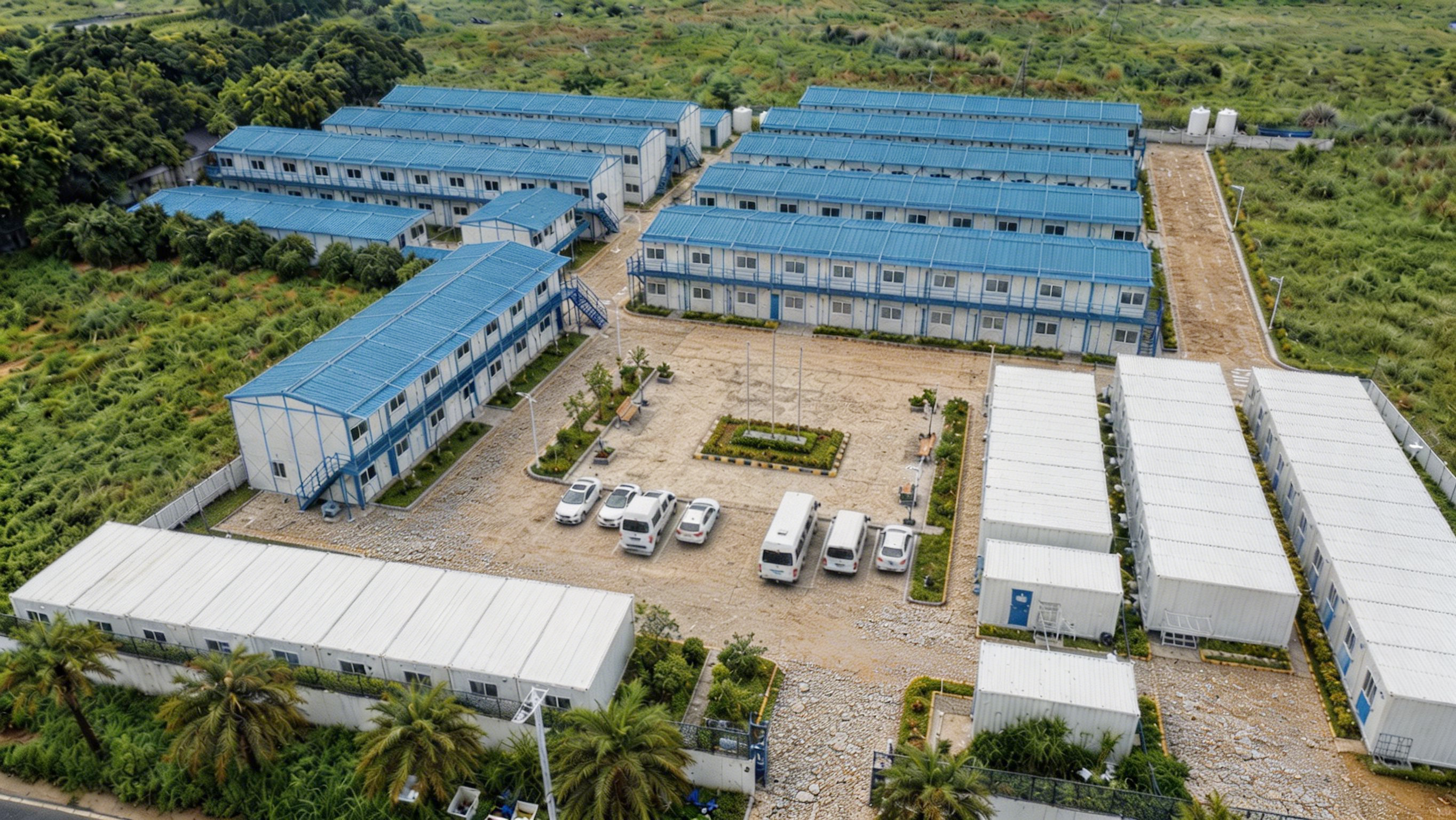
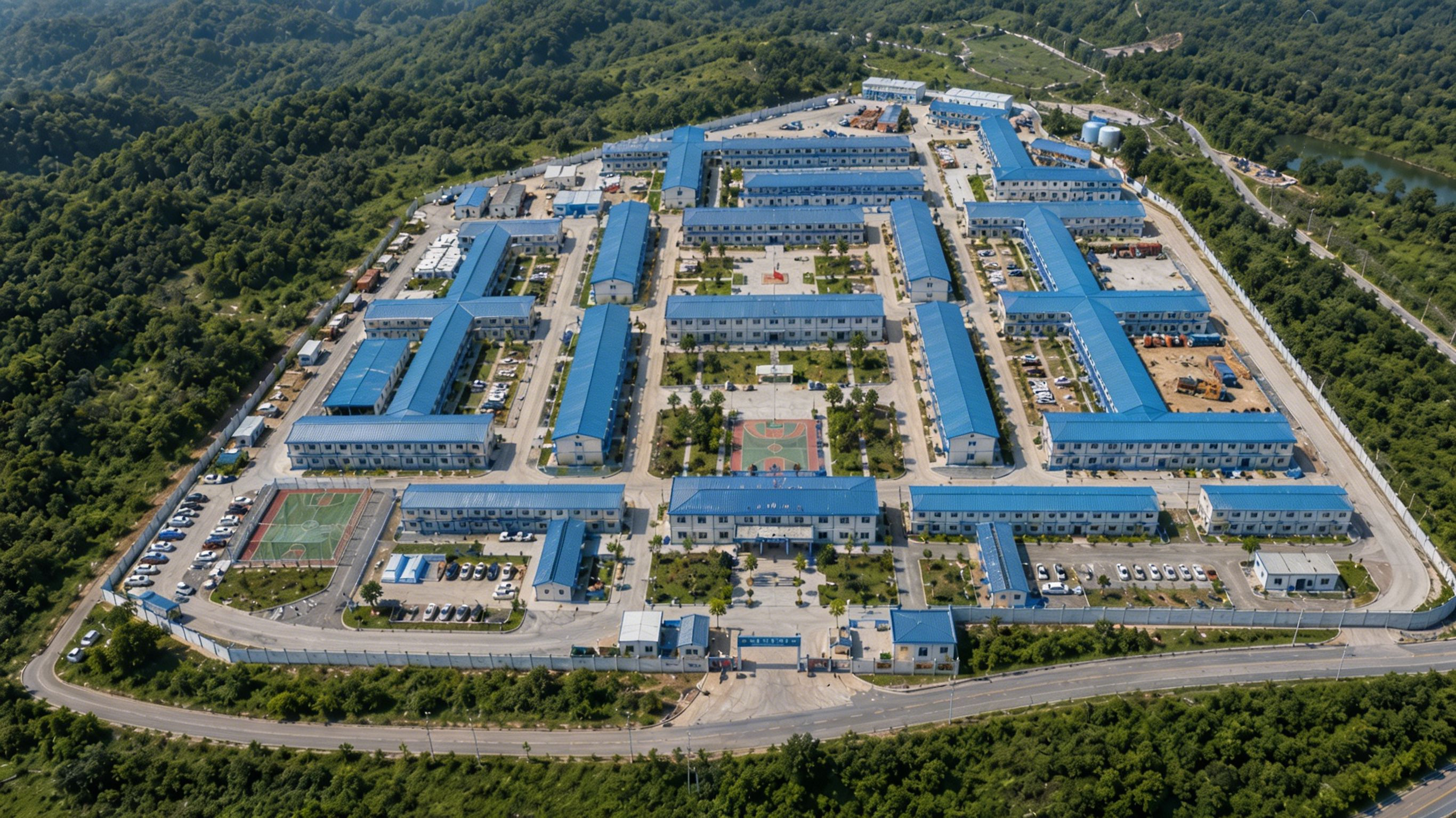
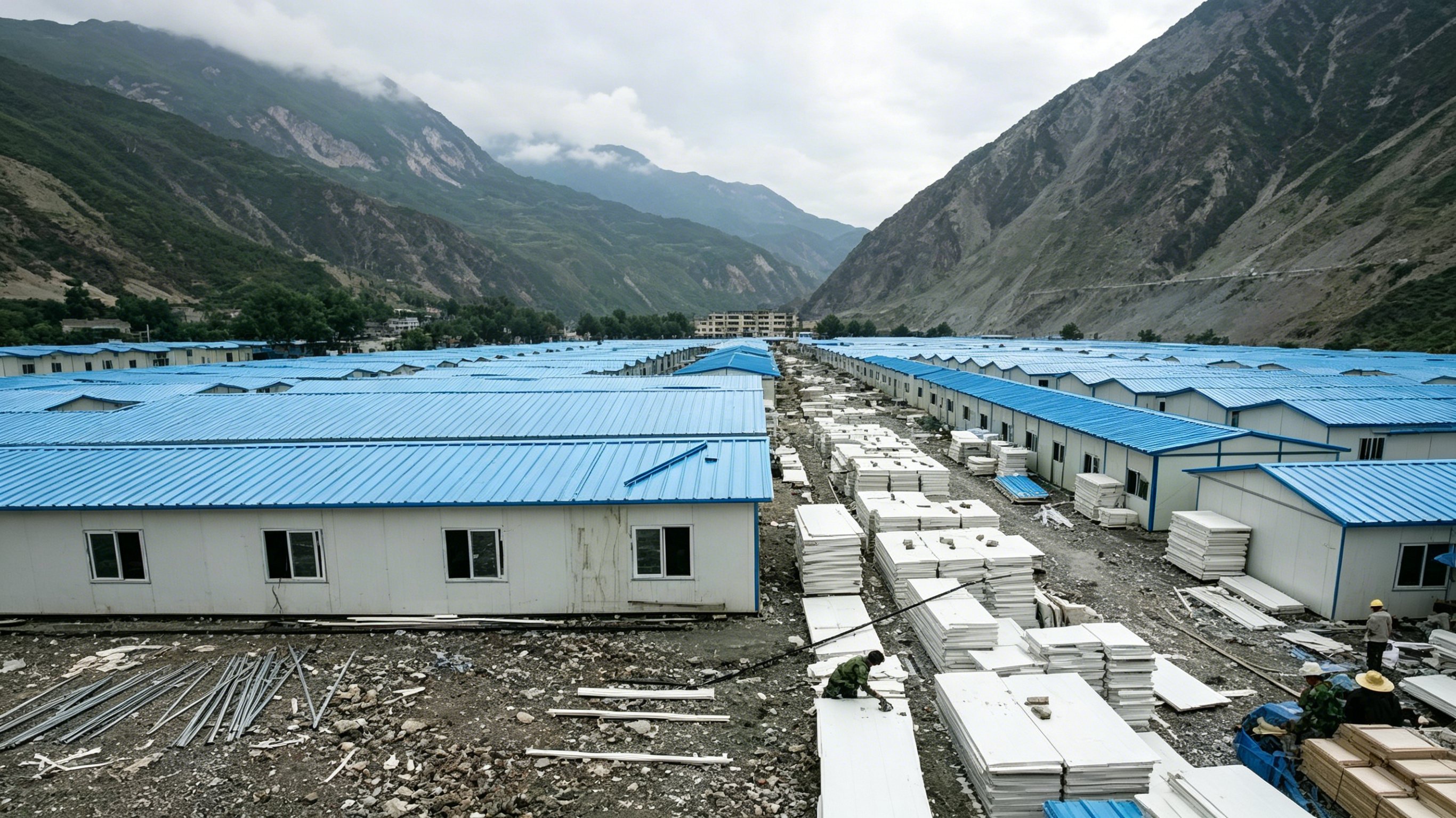
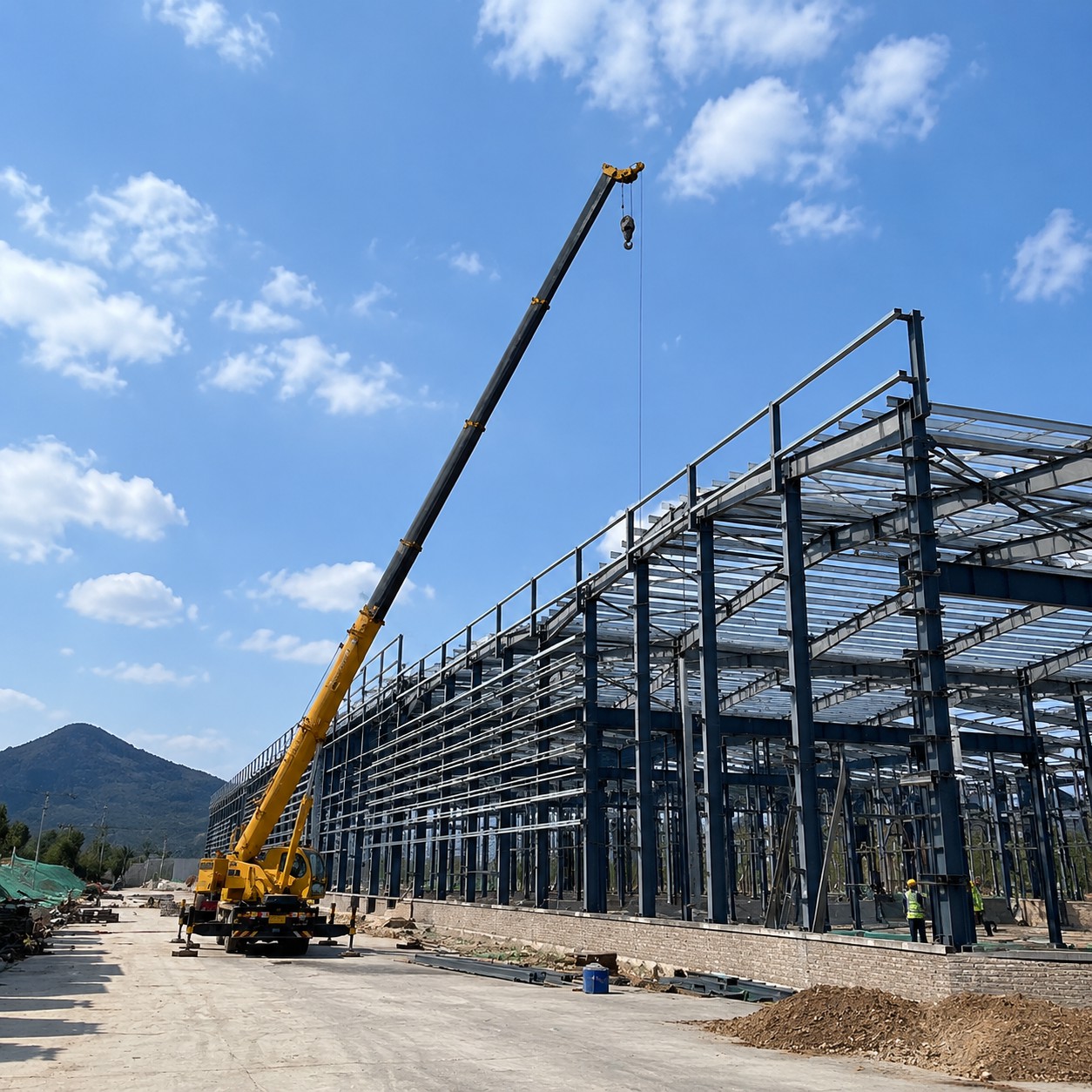
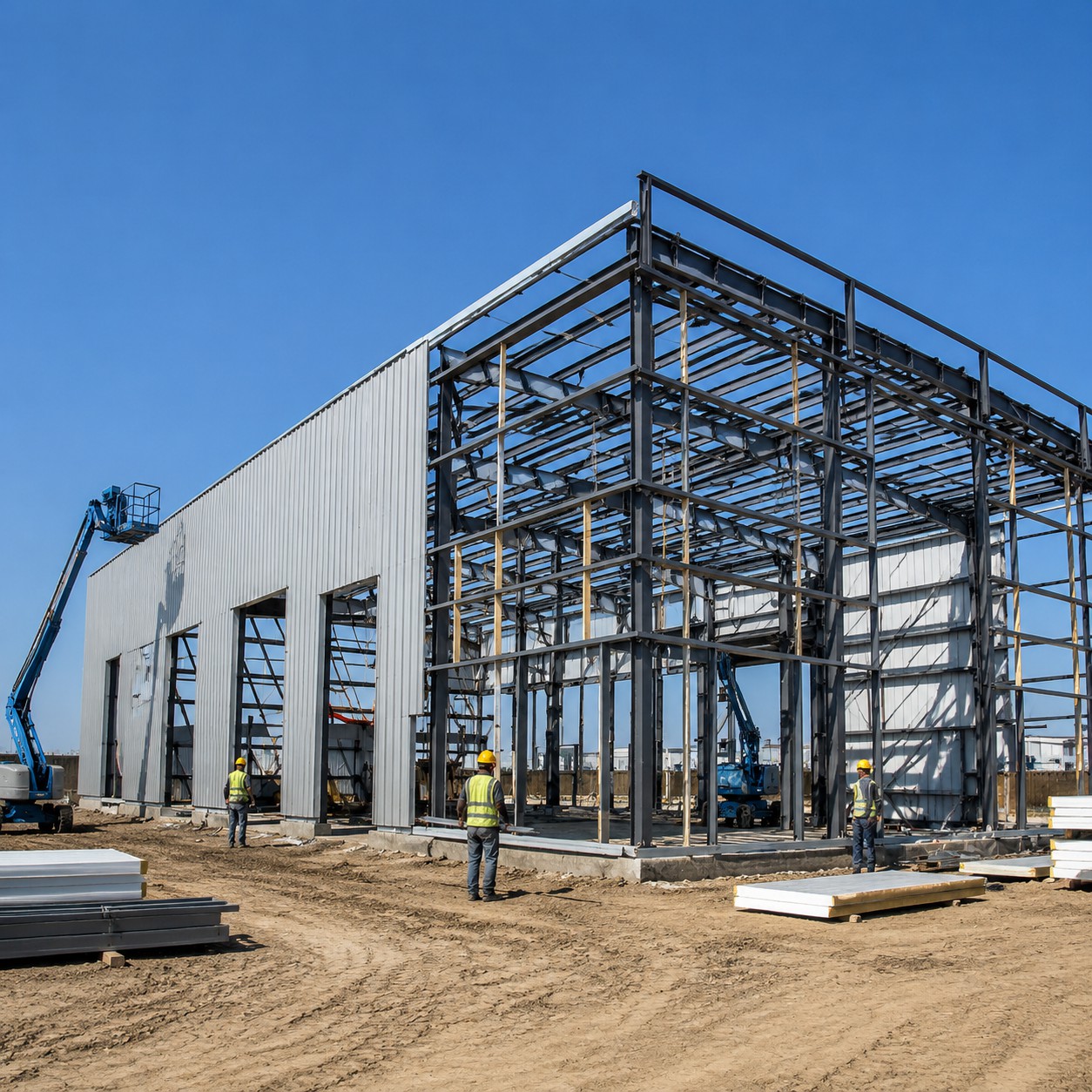
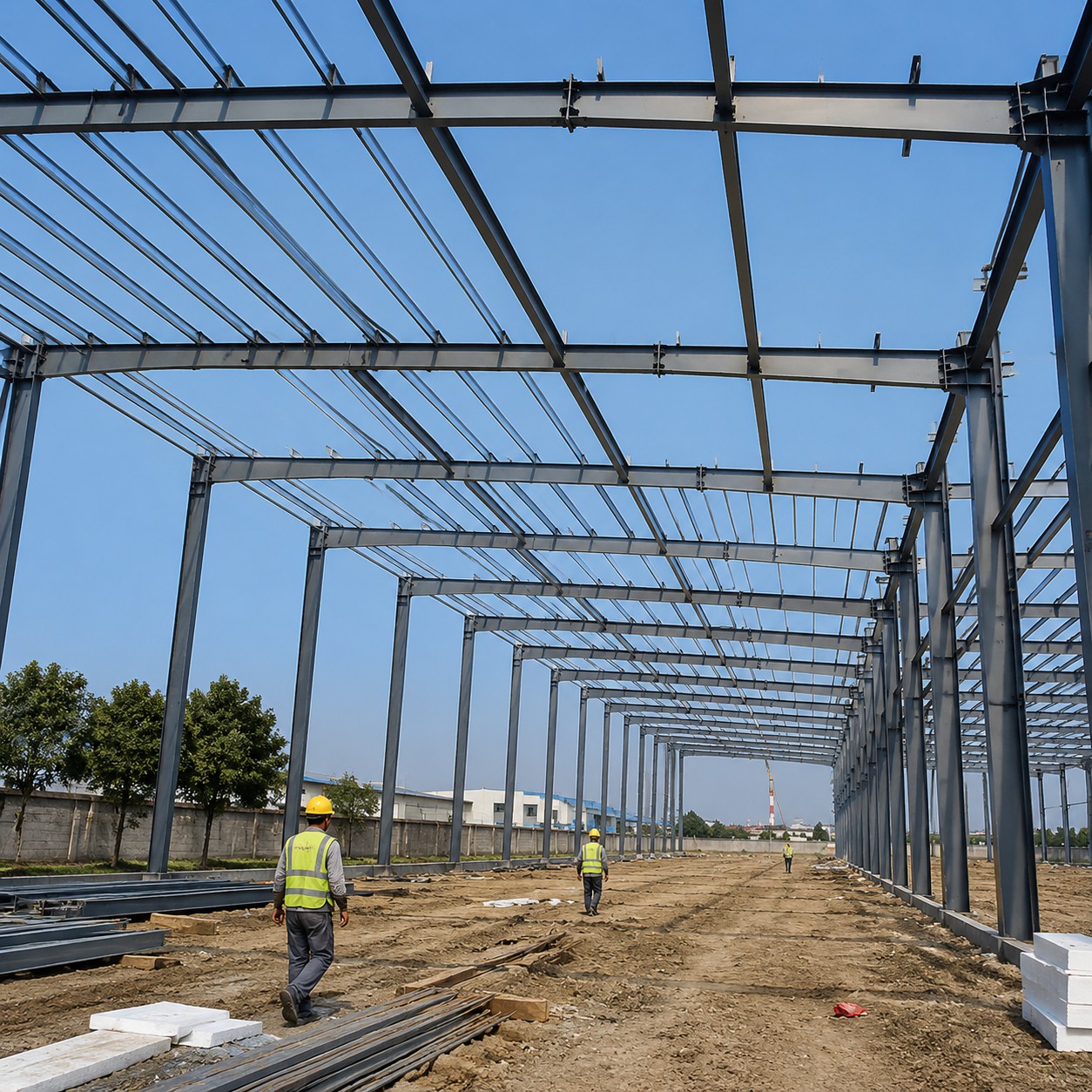
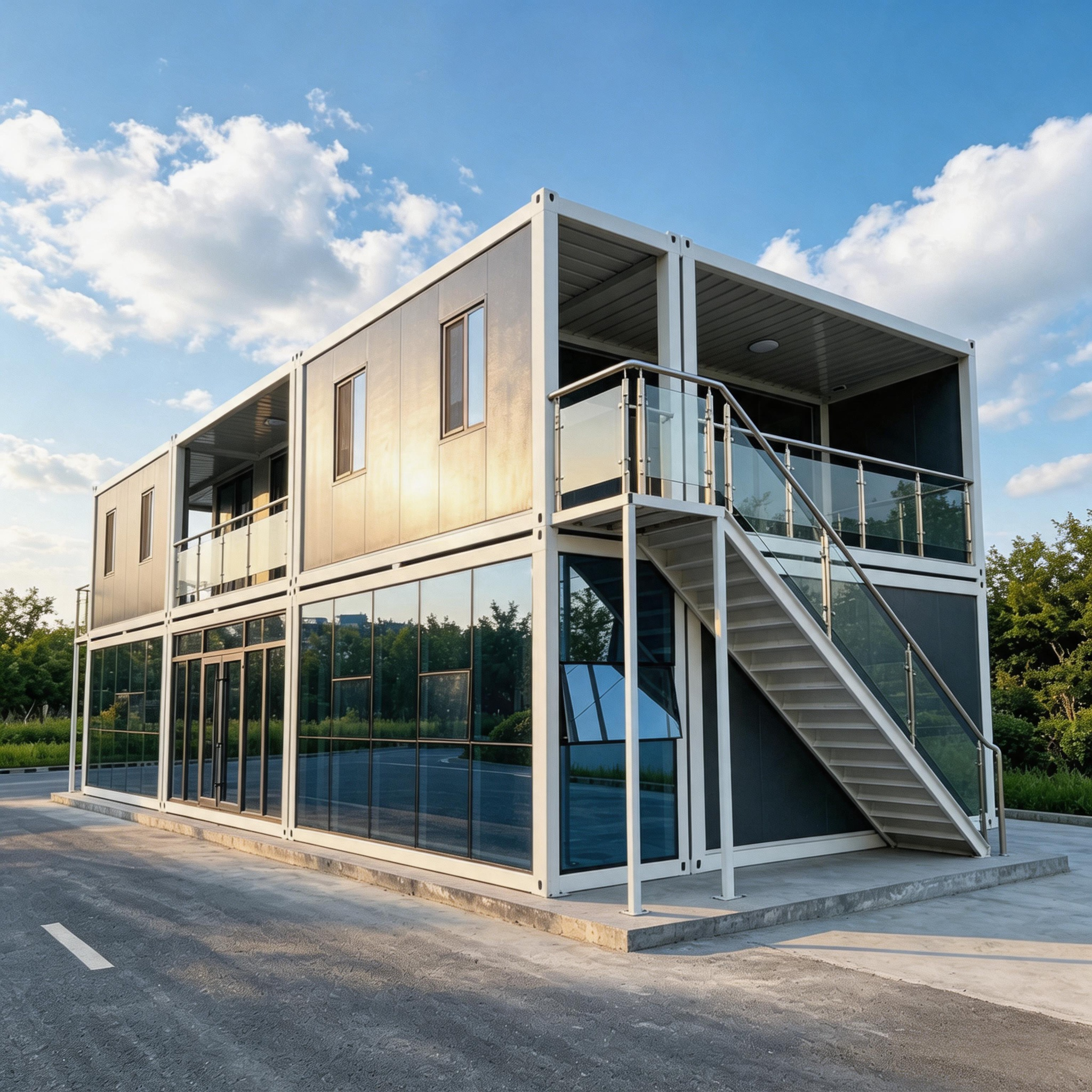
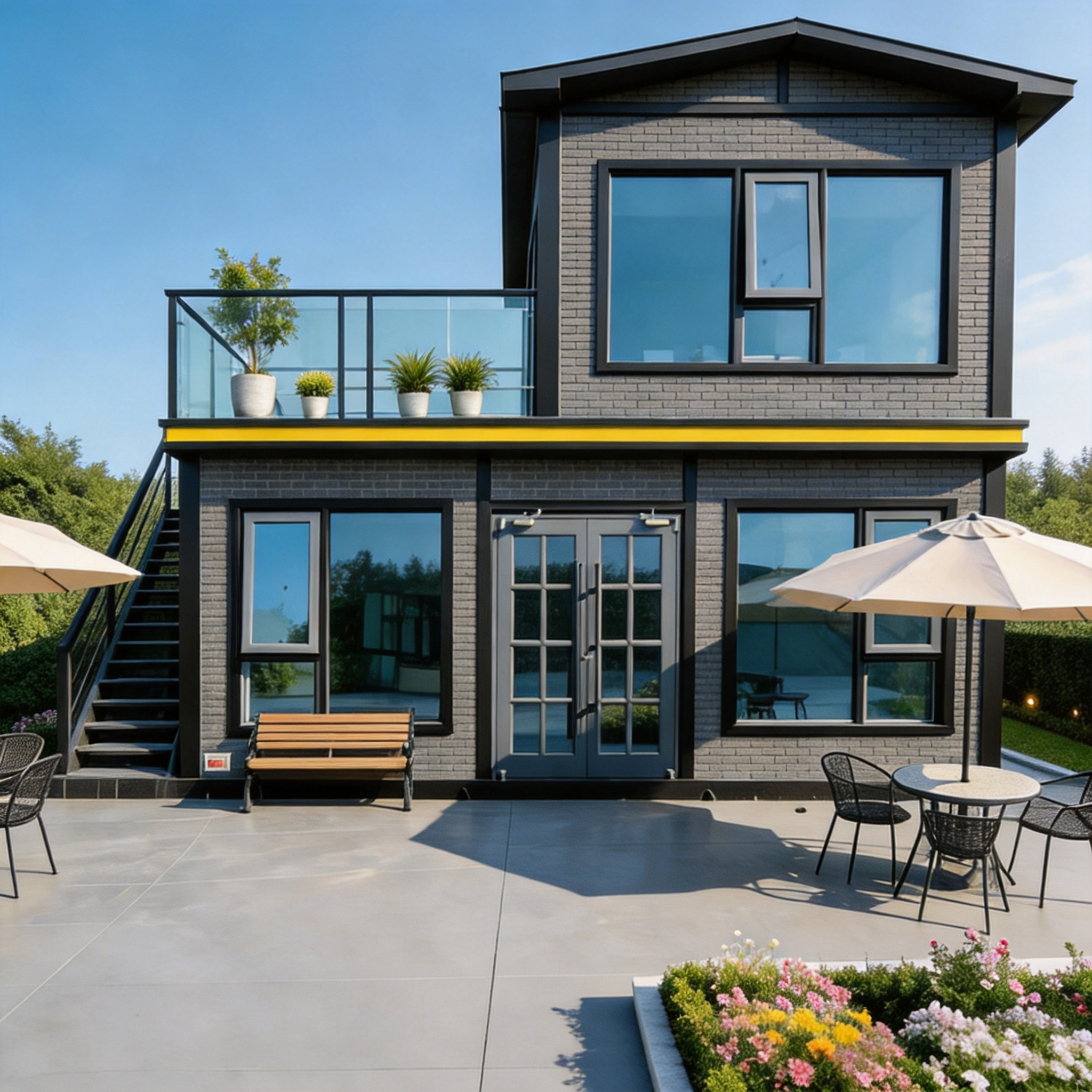
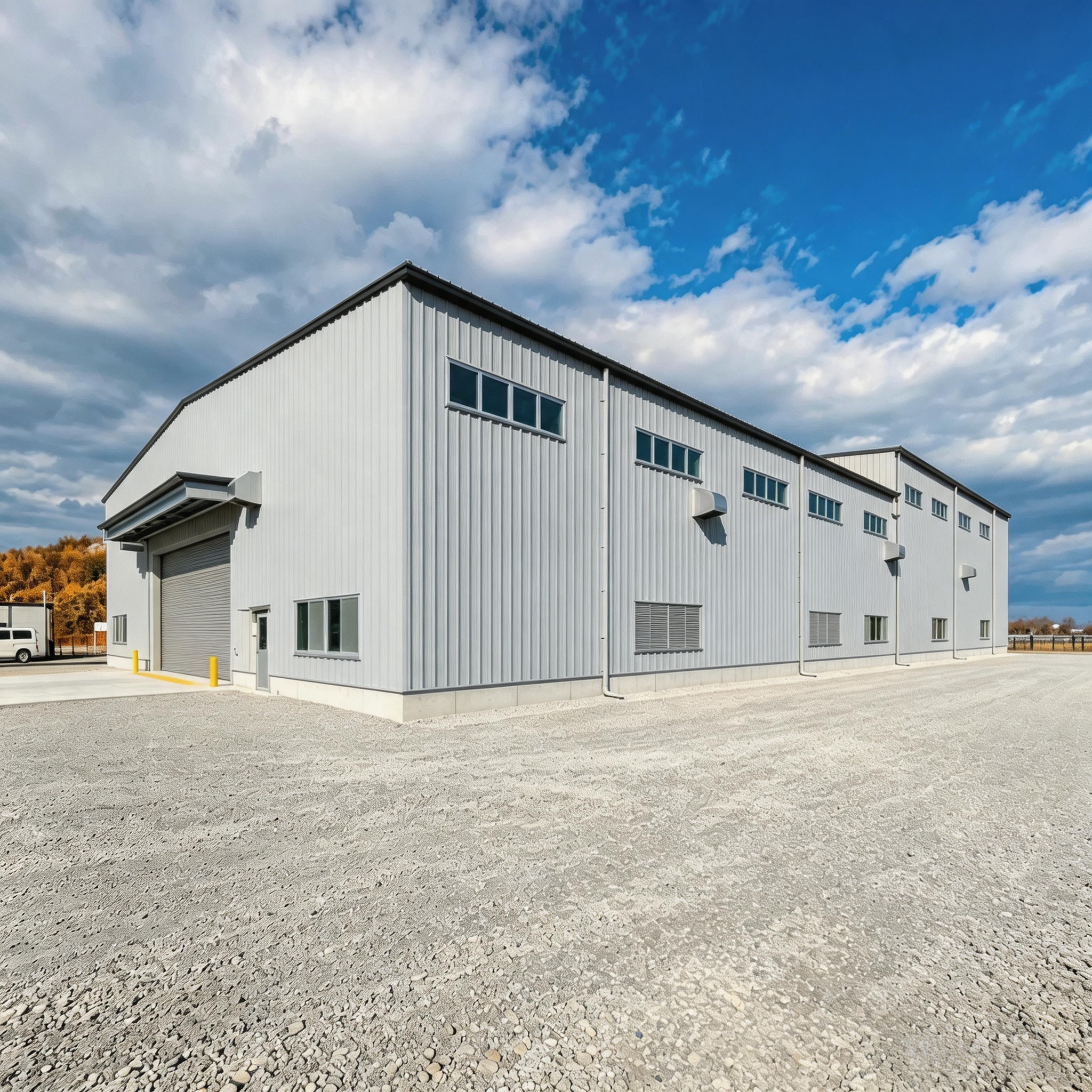
Steel structure buildings cost represents a critical consideration for anyone planning commercial, industrial, or residential construction projects. Understanding the financial aspects of steel construction helps businesses and property owners make informed investment decisions. Steel structure buildings cost encompasses material expenses, fabrication charges, transportation fees, erection labor, foundation requirements, and finishing components. These buildings utilize high-strength steel frames as their primary structural system, offering exceptional load-bearing capacity and design flexibility. The technology behind steel structures involves precision engineering, computer-aided design, and factory-controlled manufacturing processes that ensure consistent quality and dimensional accuracy. Modern steel construction methods include pre-engineered metal buildings, conventional steel framing, and modular steel systems, each suited for different project scales and requirements. Applications span across warehouses, manufacturing facilities, aircraft hangars, retail centers, office buildings, sports complexes, agricultural structures, and residential homes. The steel structure buildings cost varies significantly based on building size, design complexity, local labor rates, site conditions, and customization levels. Factors affecting overall expenses include steel grade specifications, insulation requirements, roofing and wall panel selections, door and window configurations, and special features like crane systems or mezzanine floors. Understanding these cost components enables project planners to develop realistic budgets, compare alternatives effectively, and optimize their investment while achieving desired performance standards and aesthetic goals for their construction projects.

Popular Products

When evaluating steel structure buildings cost, buyers discover substantial value through multiple operational and financial benefits that extend well beyond initial investment considerations. Steel construction typically costs 30-50 percent less than traditional building methods when considering the complete project timeline and lifecycle expenses. The rapid fabrication and installation process reduces labor costs significantly, with typical construction timeframes shortened by 40-60 percent compared to conventional methods, allowing faster occupancy and earlier revenue generation. Steel's inherent strength allows for wider column spacing and open floor plans without interior load-bearing walls, maximizing usable square footage and providing 5-8 percent more functional space within the same building footprint compared to other construction types. The steel structure buildings cost includes minimal maintenance requirements throughout the building's lifespan, as steel resists warping, cracking, splitting, and creeping, unlike wood or concrete alternatives. Energy efficiency contributes to operational savings, with properly insulated steel buildings reducing heating and cooling expenses by 25-35 percent through reflective roof systems and thermal break technology. Insurance companies often offer 15-20 percent premium reductions for steel structures due to their superior fire resistance and weather durability. Steel buildings accommodate future expansions economically, with modification costs typically 40 percent lower than altering traditional structures. The steel structure buildings cost proves advantageous for businesses requiring specific environmental controls, heavy equipment installations, or flexible interior reconfigurations. Resale value remains strong, as steel buildings appeal to diverse buyer markets and demonstrate proven longevity exceeding 50 years with minimal deterioration. These combined benefits make understanding steel structure buildings cost essential for making strategic property investment decisions that deliver both immediate construction savings and long-term operational efficiency.

Latest News

Lufeng Nuclear Power Plant Living Quarter

29

Jun

Lufeng Nuclear Power Plant Living Quarter

View More
 Large-scale camp settled in Guangzhou Baiyun Airport expansion project.

16

Jun

Large-scale camp settled in Guangzhou Baiyun Airport expansion project.

View More
Racing Against Time to Provide Warm, Safe Shelter!

29

Jun

Racing Against Time to Provide Warm, Safe Shelter!

View More

Get a Free Quote

Our representative will contact you soon.
Email
Name
Company Name
Message
0/1000

steel structure buildings cost

Predictable Budget Control and Transparent Pricing

Predictable Budget Control and Transparent Pricing

One significant advantage when analyzing steel structure buildings cost is the exceptional price predictability and budget stability throughout the entire project lifecycle. Unlike traditional construction where material waste, weather delays, and on-site modifications frequently cause cost overruns averaging 15-30 percent, steel construction offers factory-controlled pricing with minimal unexpected expenses. The fabrication process occurs in controlled manufacturing environments where precise measurements and computer-guided cutting eliminate material waste, typically keeping waste percentages below 2 percent compared to 10-15 percent in conventional construction. This efficiency directly reduces the steel structure buildings cost while ensuring quality consistency. Detailed engineering drawings finalized before fabrication begins allow contractors to provide accurate fixed-price quotations with confidence, protecting buyers from budget surprises. The standardized connection systems and bolt-together assembly methods mean labor costs remain predictable regardless of minor site condition variations. Transportation expenses form a transparent line item based on distance and load calculations rather than variable factors. Foundation requirements for steel buildings are often less expensive due to lighter structural weight, with concrete needs reduced by 30-50 percent compared to masonry or concrete frame buildings. This comprehensive cost transparency enables financial planners to secure appropriate funding, schedule payments accurately, and allocate contingency budgets confidently, making steel structure buildings cost an attractive option for organizations requiring strict financial accountability and predictable project expenditures.
Long-Term Investment Value and Cost Recovery

Long-Term Investment Value and Cost Recovery

The steel structure buildings cost evaluation must consider substantial long-term financial returns that significantly enhance overall investment performance beyond initial construction expenditures. Steel buildings demonstrate remarkable durability with functional lifespans exceeding 50-70 years when properly maintained, far surpassing wood structures that require major renovations every 15-20 years. This longevity means amortized annual ownership costs remain extremely low, often 40-60 percent less than comparable buildings using alternative materials when calculated over the structure's useful life. Steel's resistance to pests, rot, mold, and environmental degradation eliminates costly remediation expenses that plague other building types, with maintenance budgets typically requiring only 1-2 percent of building value annually compared to 4-6 percent for traditional construction. The steel structure buildings cost includes inherent sustainability benefits, as steel contains 25-95 percent recycled content and remains 100 percent recyclable at end-of-life, potentially recovering 60-70 percent of original material costs through scrap value. Energy efficiency features integrated into steel construction reduce utility expenses by thousands of dollars annually, with return-on-investment periods for premium insulation and reflective roofing systems typically under 5 years. Property appreciation rates for well-maintained steel buildings match or exceed market averages due to their desirable characteristics of adaptability, low maintenance, and structural integrity. Tax advantages including accelerated depreciation schedules and potential energy efficiency credits further improve financial returns, making the initial steel structure buildings cost a strategic investment rather than merely a construction expense.
Scalable Solutions for Diverse Project Requirements

Scalable Solutions for Diverse Project Requirements

Understanding steel structure buildings cost reveals remarkable versatility in accommodating projects ranging from small storage facilities to massive industrial complexes, with pricing structures that scale efficiently across this spectrum. Small buildings under 2,000 square feet benefit from pre-engineered building systems where standardized components reduce engineering costs and fabrication expenses, delivering complete structures at competitive per-square-foot rates often 20-35 percent below custom alternatives. Medium-sized projects between 5,000-25,000 square feet achieve optimal steel structure buildings cost efficiency through semi-custom designs that balance standardization with specific functional requirements, offering the best value proposition for commercial and light industrial applications. Large facilities exceeding 50,000 square feet leverage steel's structural efficiency most dramatically, with column spacing reaching 60-100 feet without intermediate supports, reducing foundation points and maximizing clear span areas that would be prohibitively expensive in other construction methods. The modular nature of steel construction allows phased development where initial buildings accommodate immediate needs while site infrastructure supports planned expansions, spreading capital expenditures across multiple budget cycles without compromising structural integrity or aesthetic continuity. Customization options spanning architectural finishes, specialized door systems, climate control integration, and equipment support structures integrate seamlessly into base steel structure buildings cost estimates. This scalability ensures appropriate solutions exist for agricultural operations, manufacturing plants, retail developments, institutional facilities, and mixed-use projects, with each application benefiting from steel's inherent cost advantages while meeting specific performance requirements that justify the investment through operational efficiency and functional suitability.
Inquiry Inquiry Email Email WhatsApp WhatsApp
WhatsApp
Wechat Wechat
Wechat
Steel Structure Buildings Cost Guide & Benefits