çelik çerçeve inşaatı
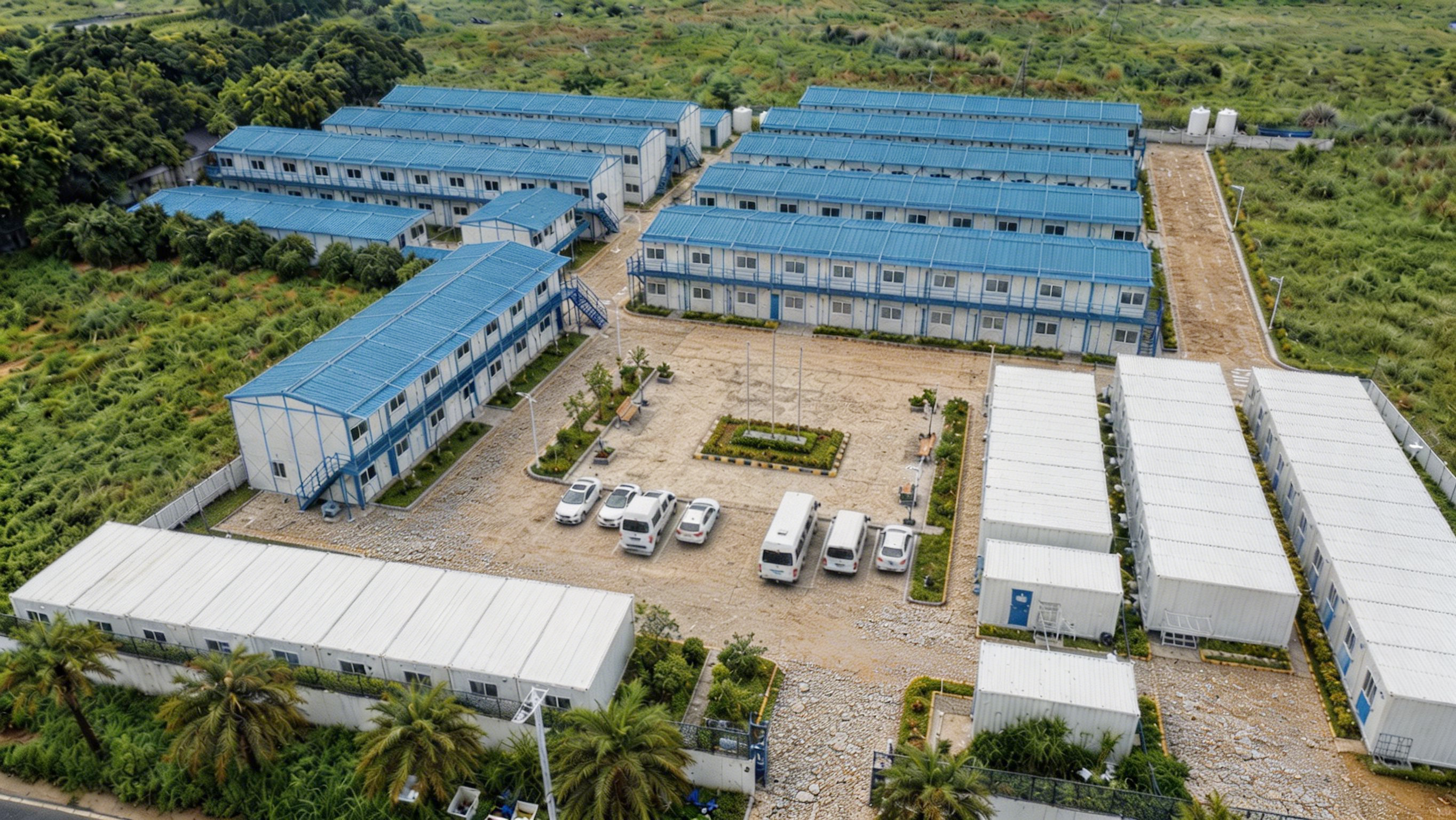
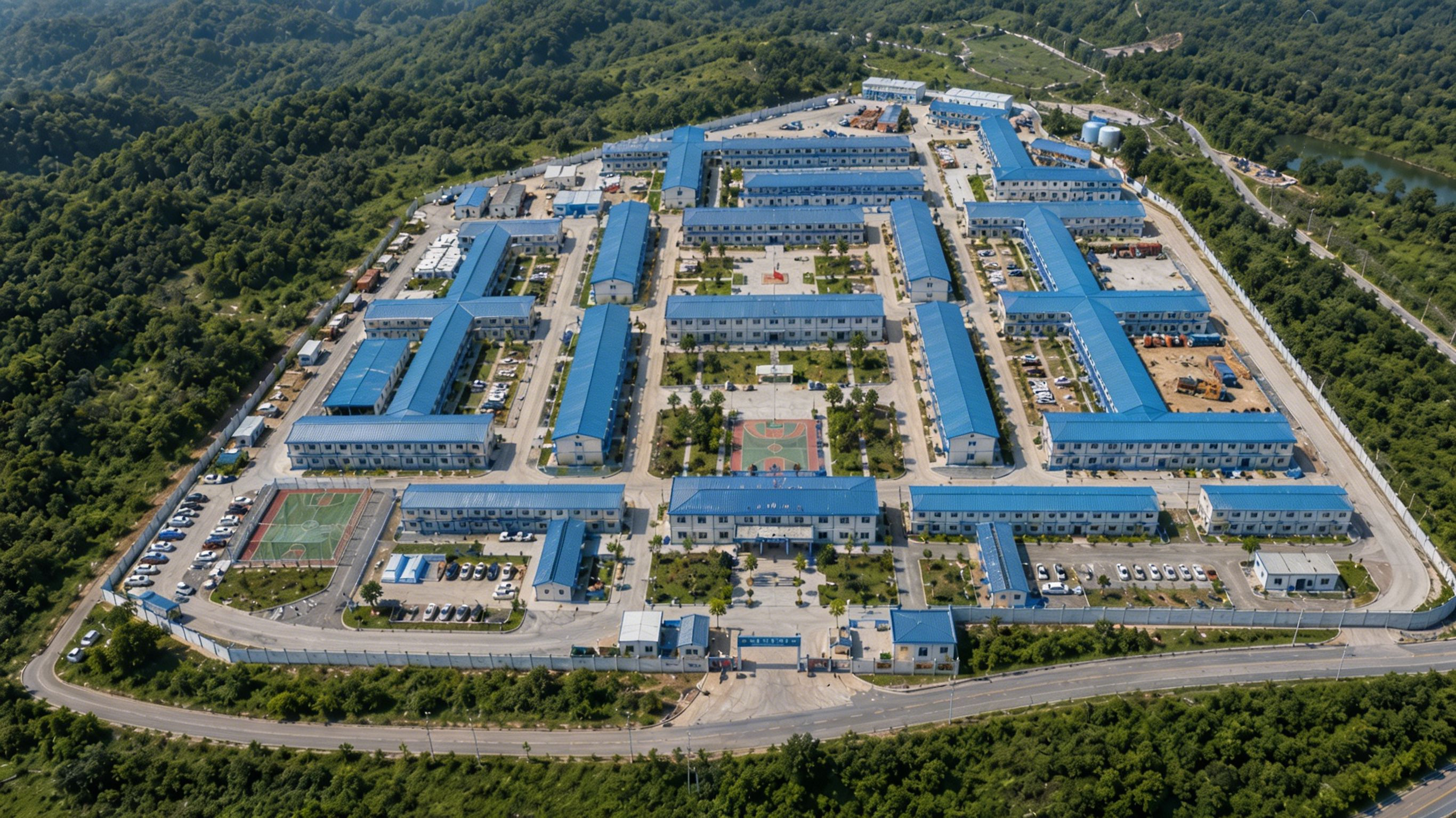
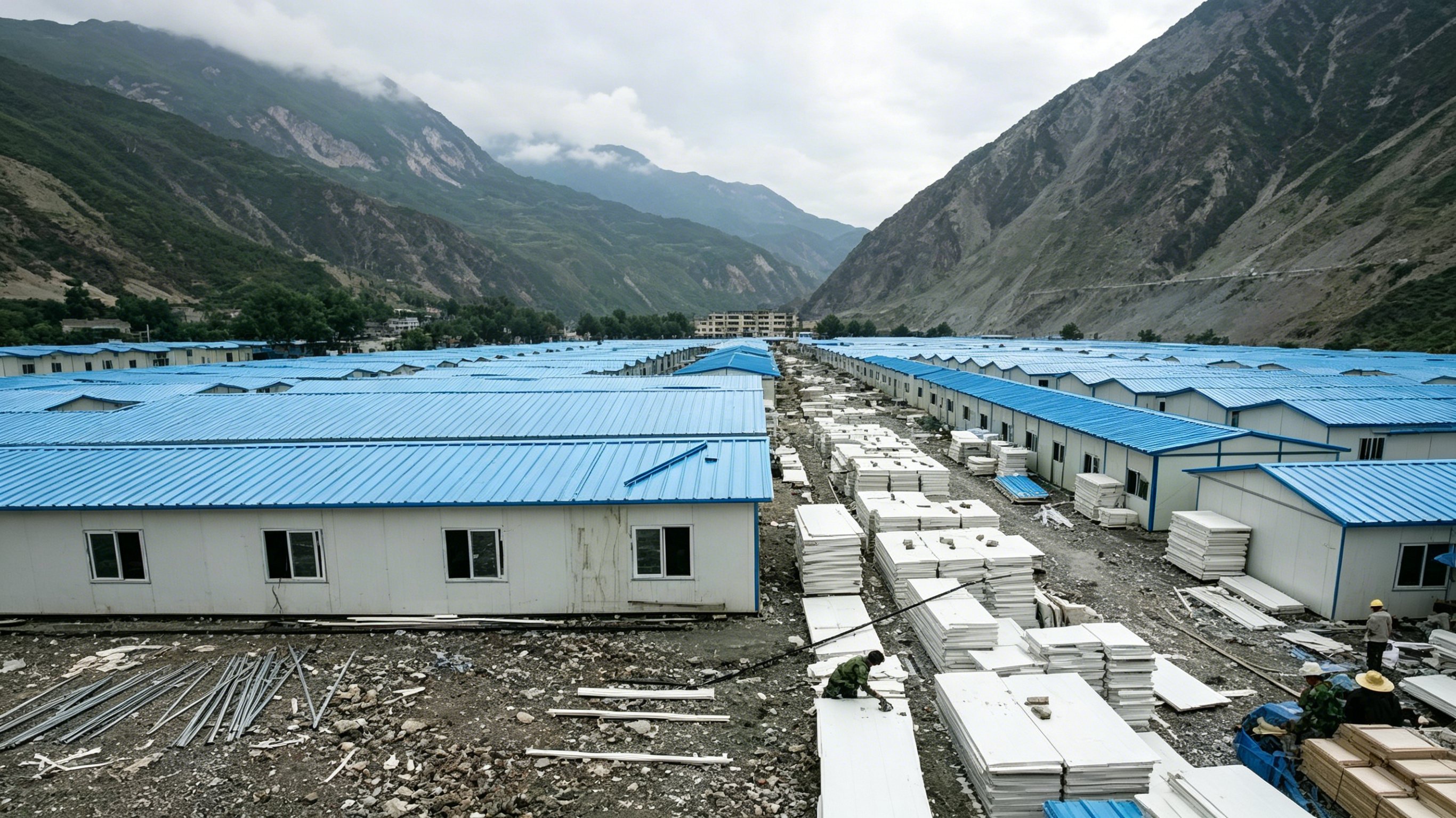
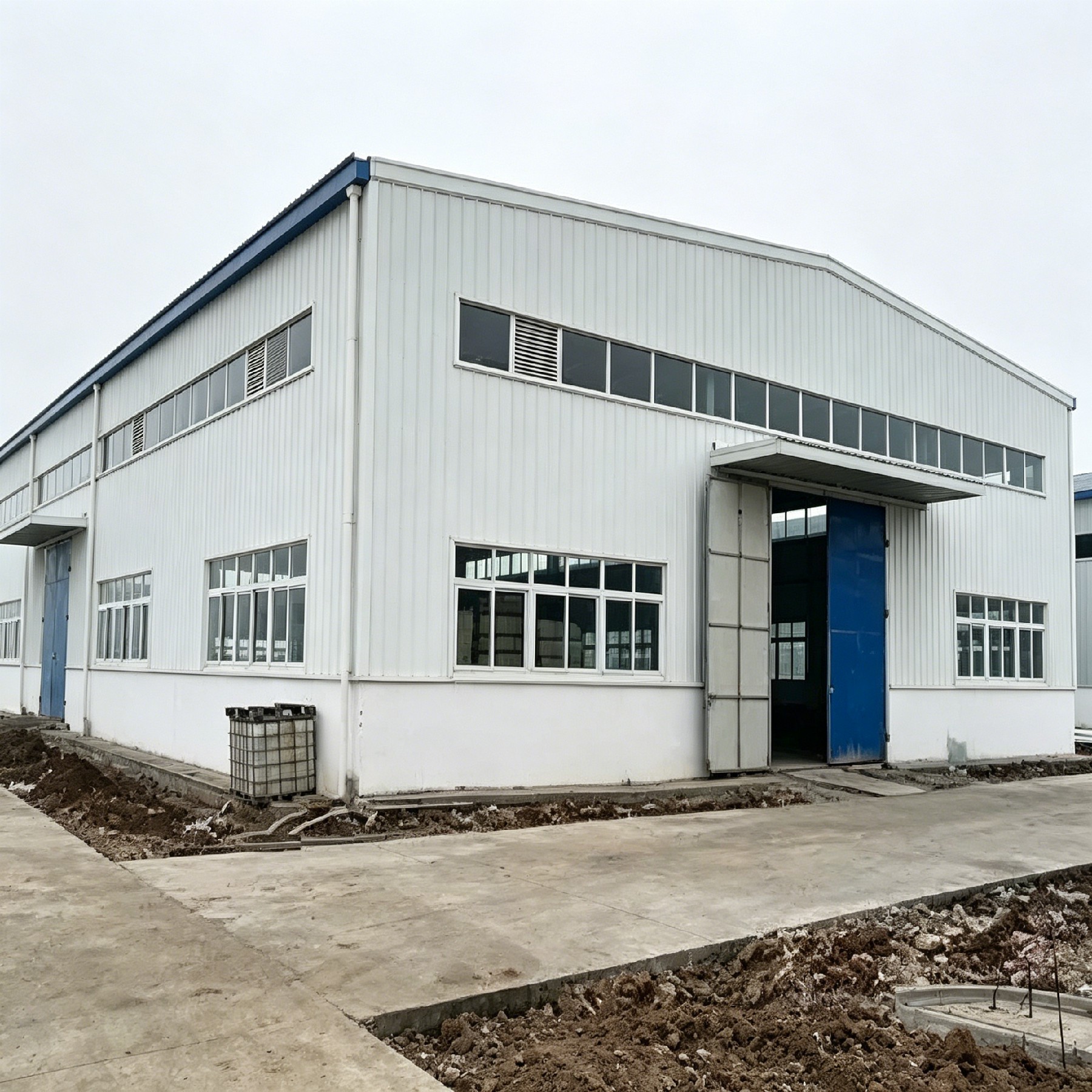
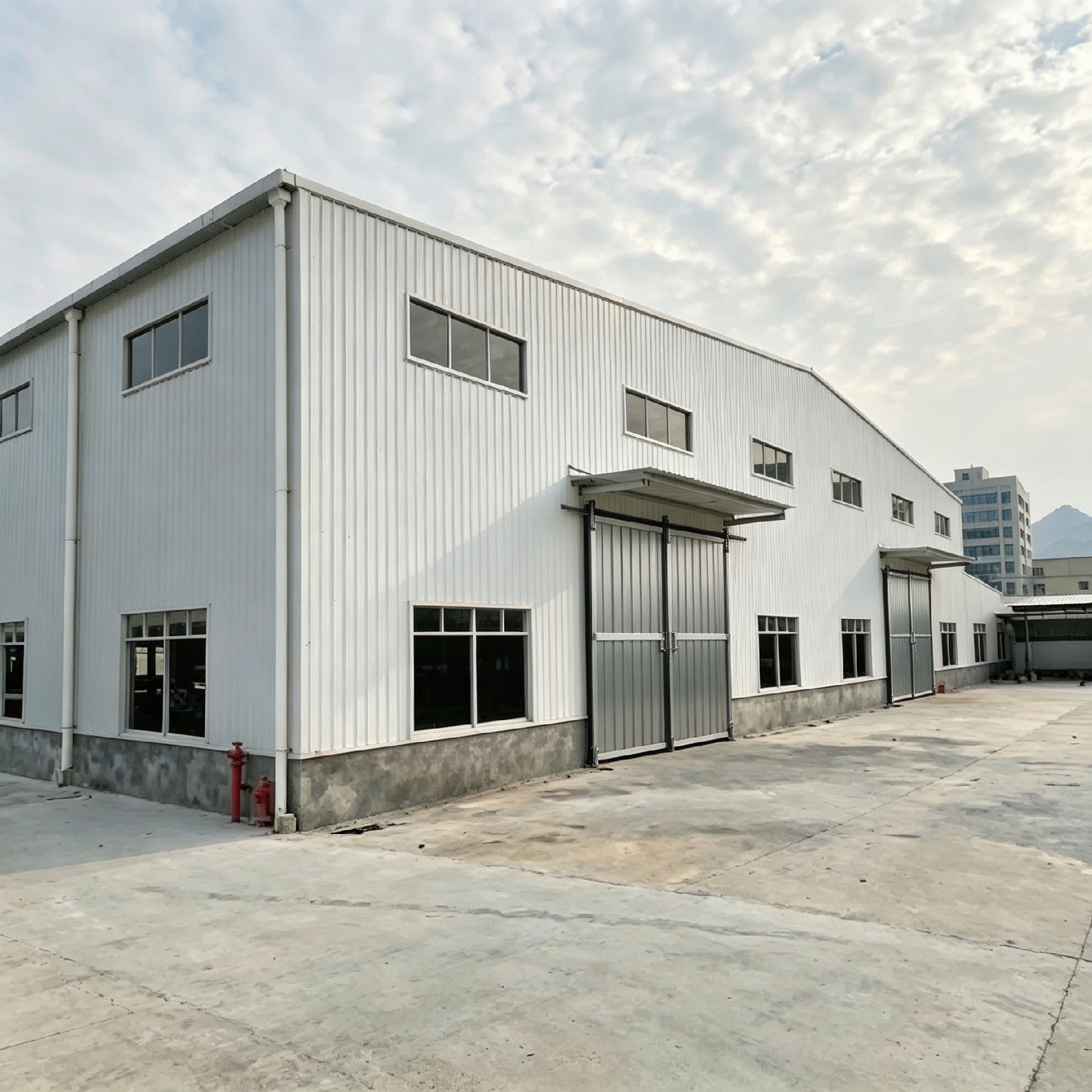
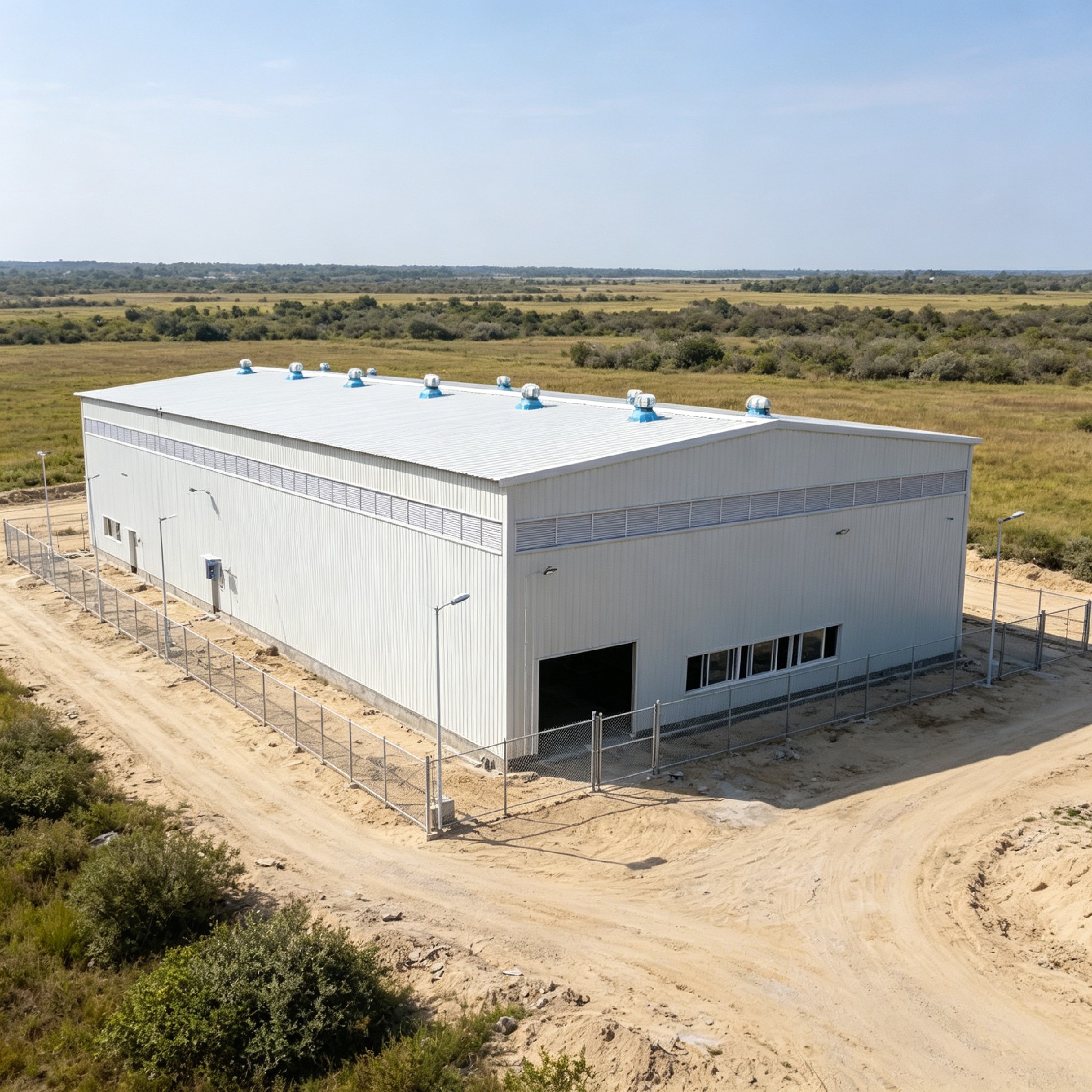
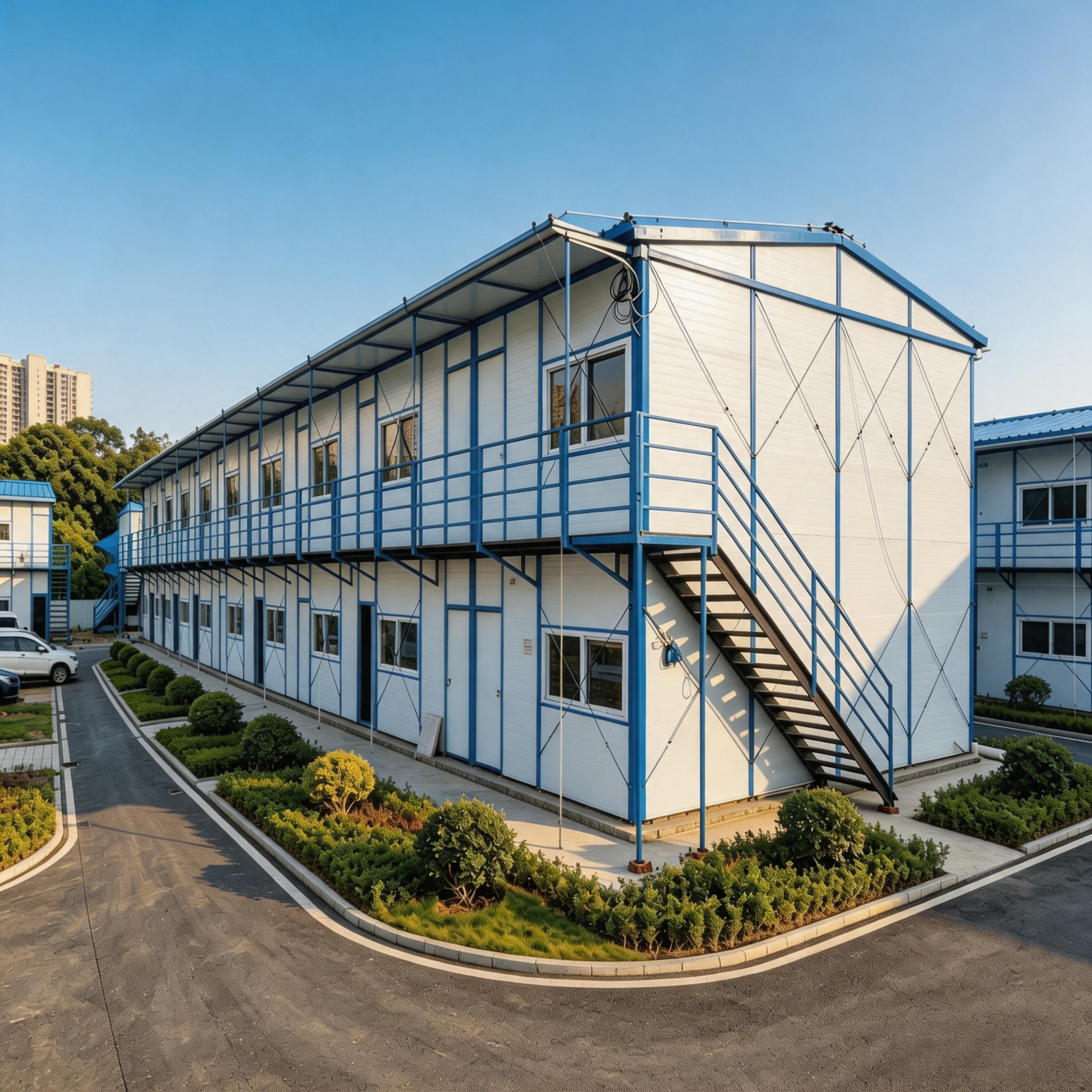
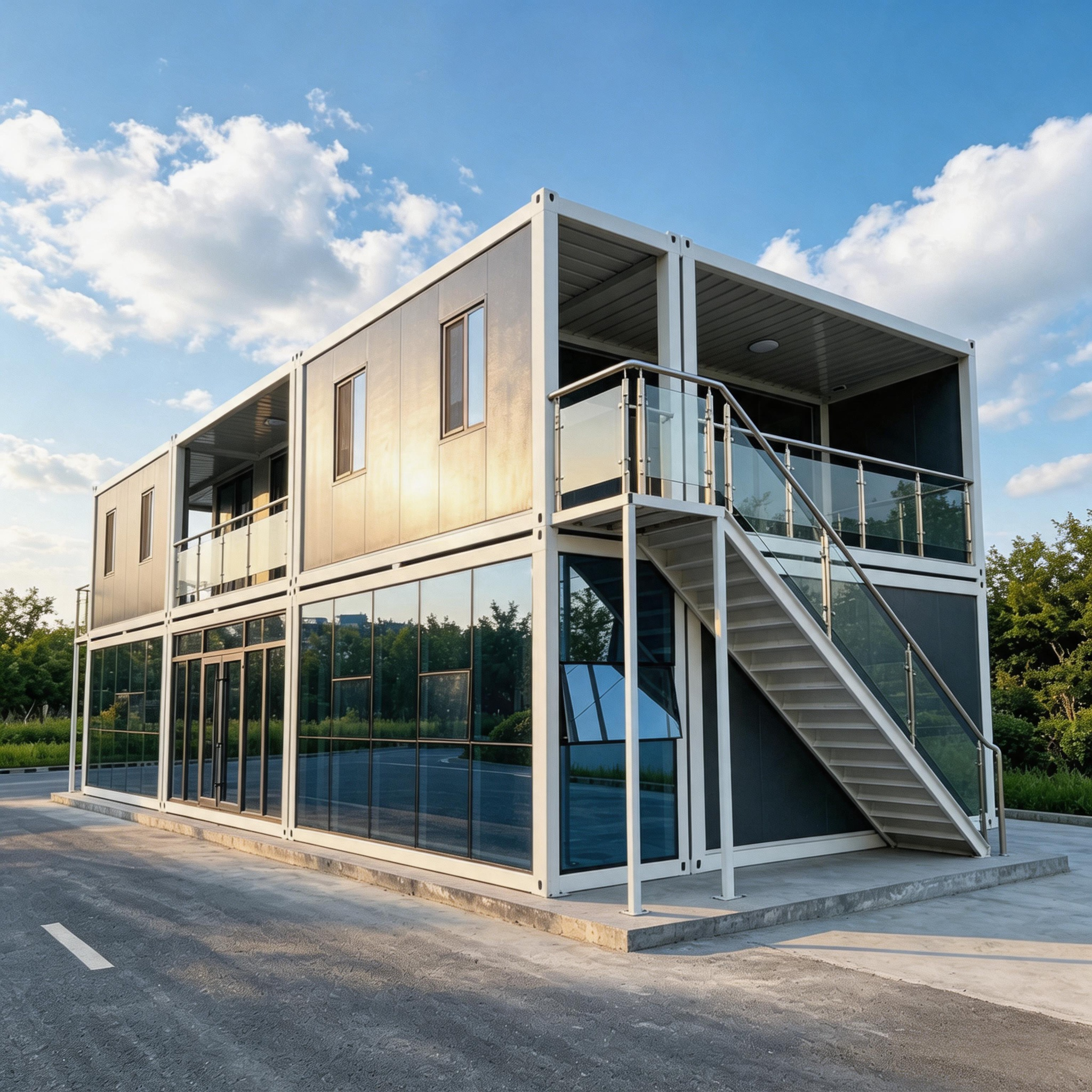
Çelik çerçeve yapı, binalar ve yapılar için ana taşıyıcı iskelet olarak yapısal çelik bileşenleri kullanan modern bir inşaat yöntemidir. Bu inşaat tekniği, binanın tamamını destekleyen sağlam bir iskelet oluşturmak amacıyla önceden imal edilmiş çelik kirişlerin, kolonların ve kafes sistemlerinin montajını içerir. Çelik çerçeve yapı, üstün dayanım/ağırlık oranı ve çok yönlülüğü nedeniyle ticari, endüstriyel ve konut projelerinde giderek daha popüler hâle gelmiştir. Bu inşaat yönteminin temel işlevleri; yapısal destek sağlama, yüklerin binanın tamamına etkin şekilde dağıtılması ve iç destek duvarlarına gerek kalmadan geniş açık alanların oluşturulmasıdır. Çelik çerçeve yapının teknolojik özellikleri arasında hassas mühendislik, fabrikada üretilen bileşenler, cıvatalı veya kaynaklı bağlantılar ve modern bina sistemleriyle entegrasyon yer alır. Süreç genellikle ayrıntılı bilgisayar destekli tasarım ile başlar, ardından çelik elemanların tam olarak belirtilen ölçütler doğrultusunda sahada olmayan bir tesisde imalatı yapılır ve son olarak hızlı saha montajıyla tamamlanır. Çelik çerçeve yapının uygulama alanları; çok katlı ofis binaları, depolar, üretim tesisleri, alışveriş merkezleri, havaalanları, hastaneler, eğitim kurumları ve konut kuleleri gibi çeşitli sektörleri kapsar. Bu inşaat yöntemi, hızlı tamamlanma süreleri gerektiren, esnek iç düzenlemelere sahip olan ya da ara destekler olmadan uzun açıklıkları karşılayabilen yapılar için özellikle değerlidir. Çelik çerçeve yapının uyarlama yeteneği, mimarların ve mühendislerin yapı yaşam döngüsü boyunca yapısal bütünlüğü ve mali verimliliği korurken iddialı tasarımları gerçekleştirmelerine olanak tanır.