Prefab House Prices Guide: Costs & Benefits

Get a Free Quote

Our representative will contact you soon.
Email
Name
Company Name
Message
0/1000

prefab house prices

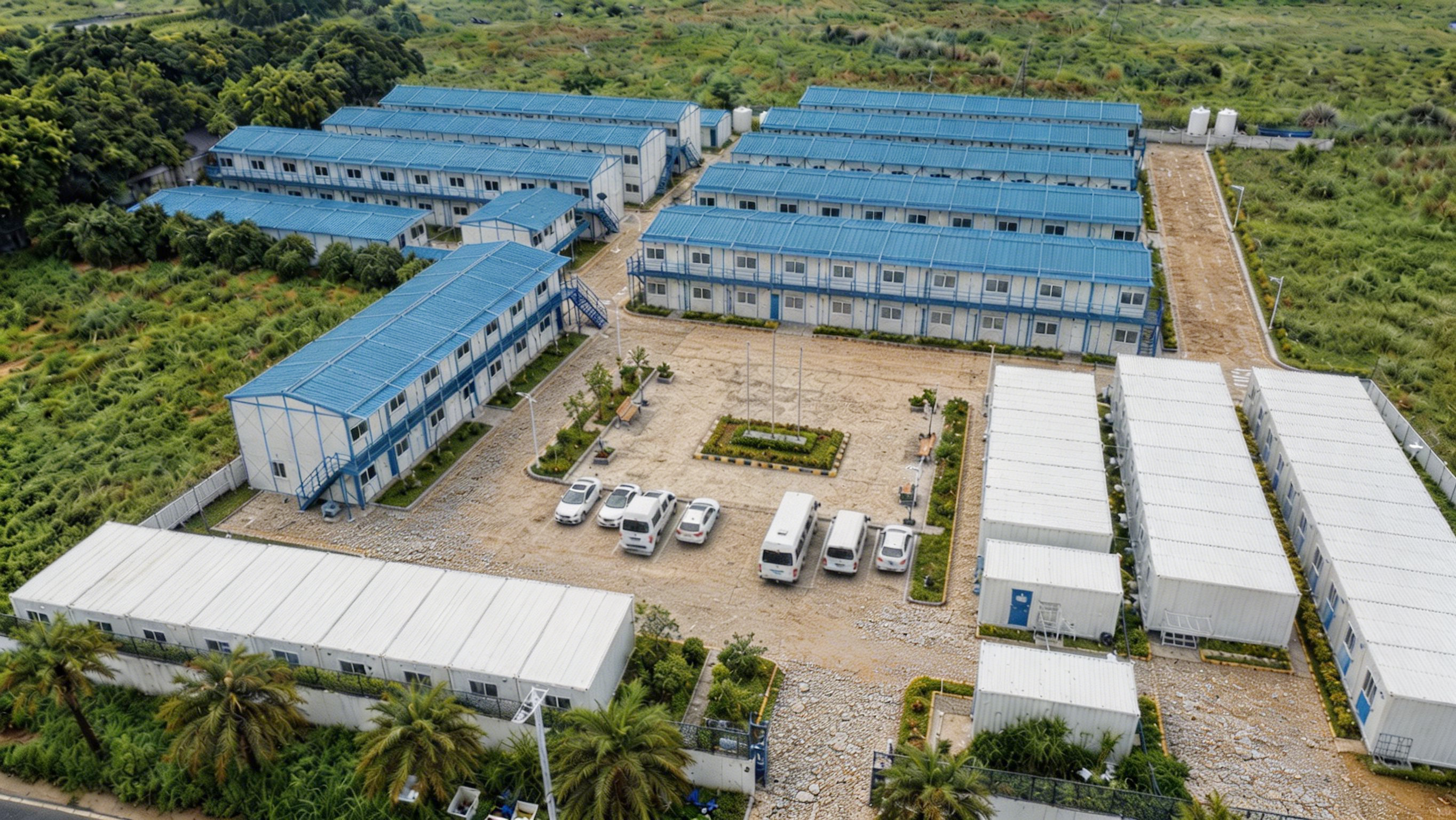
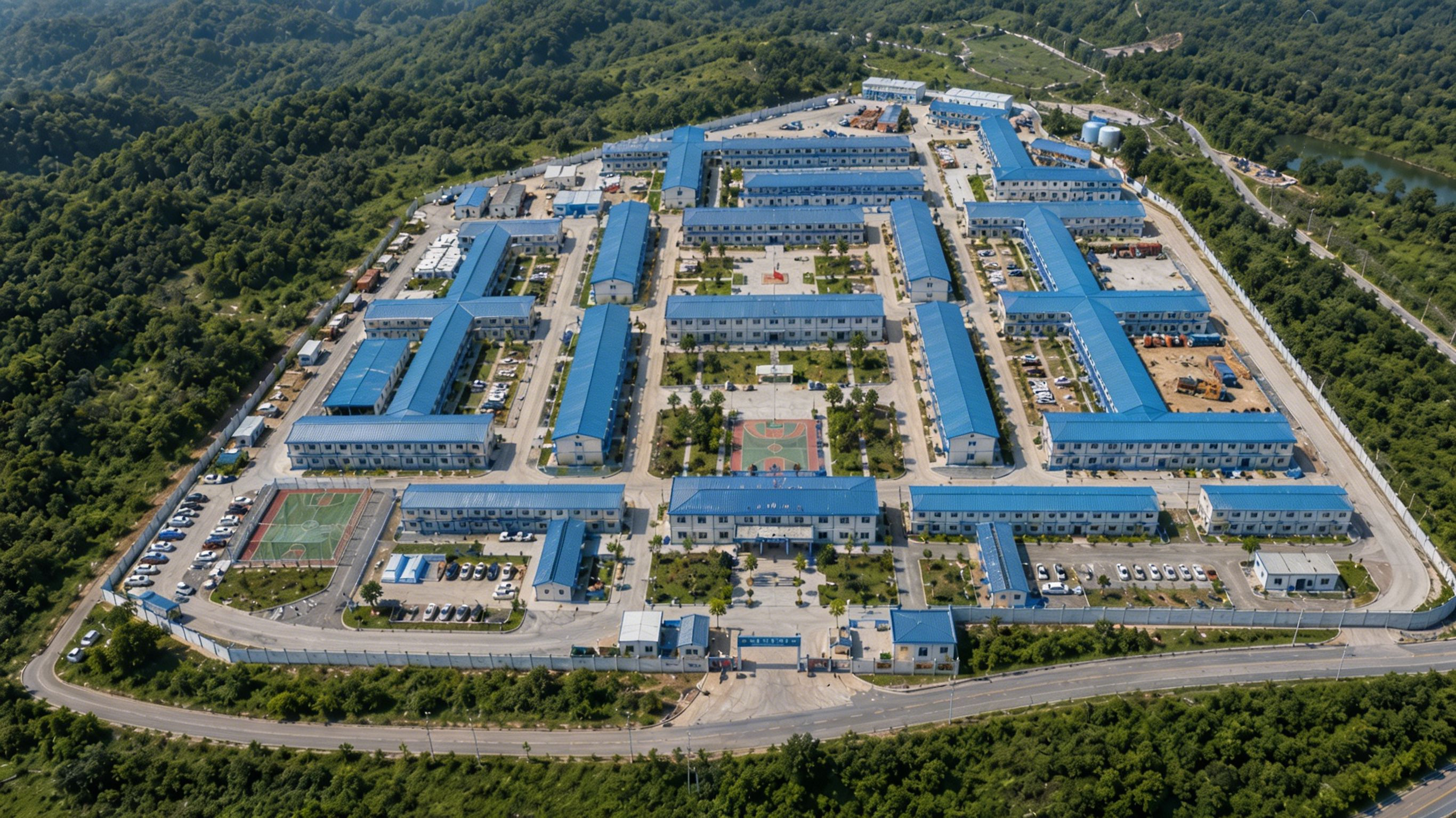
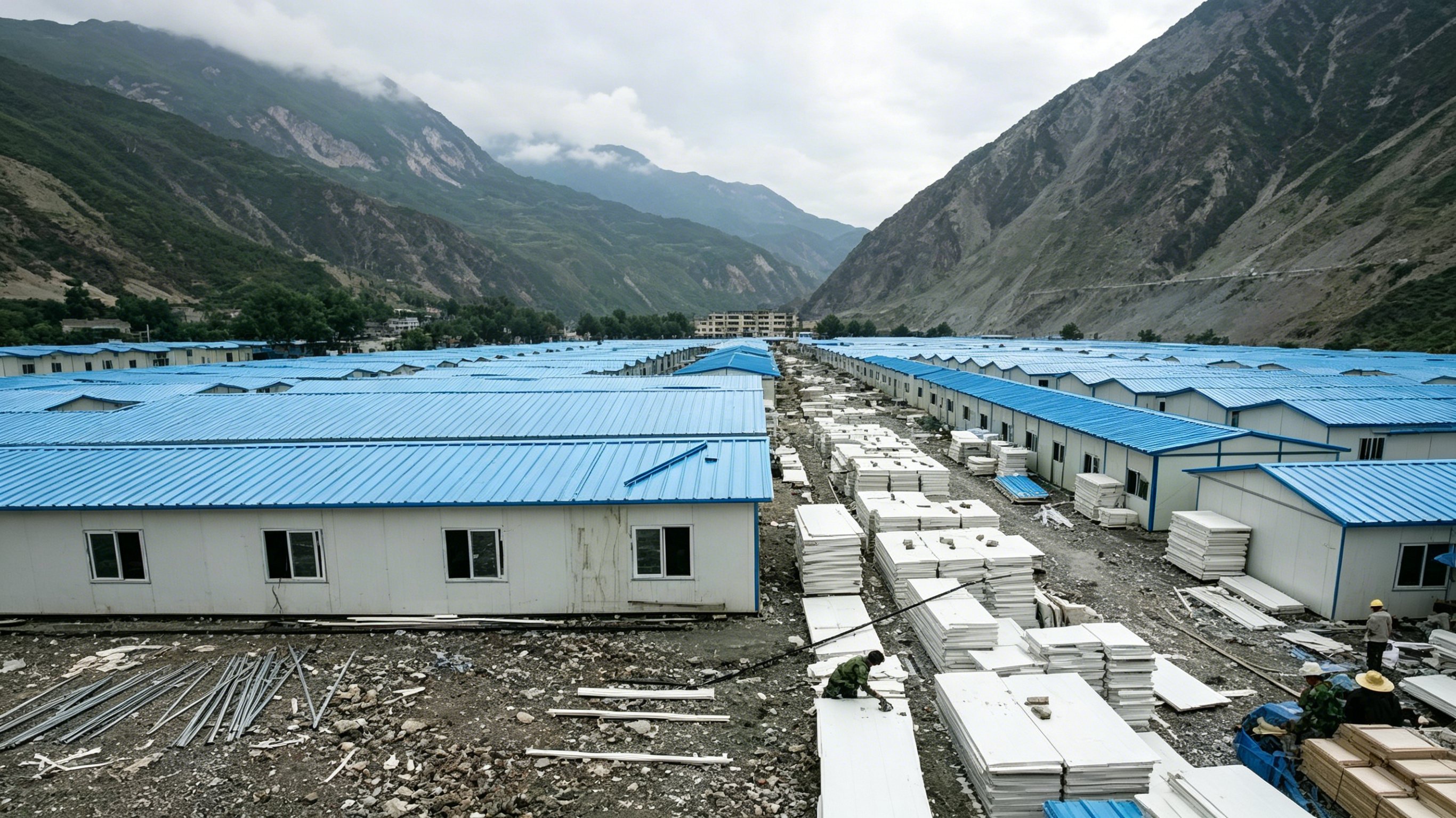
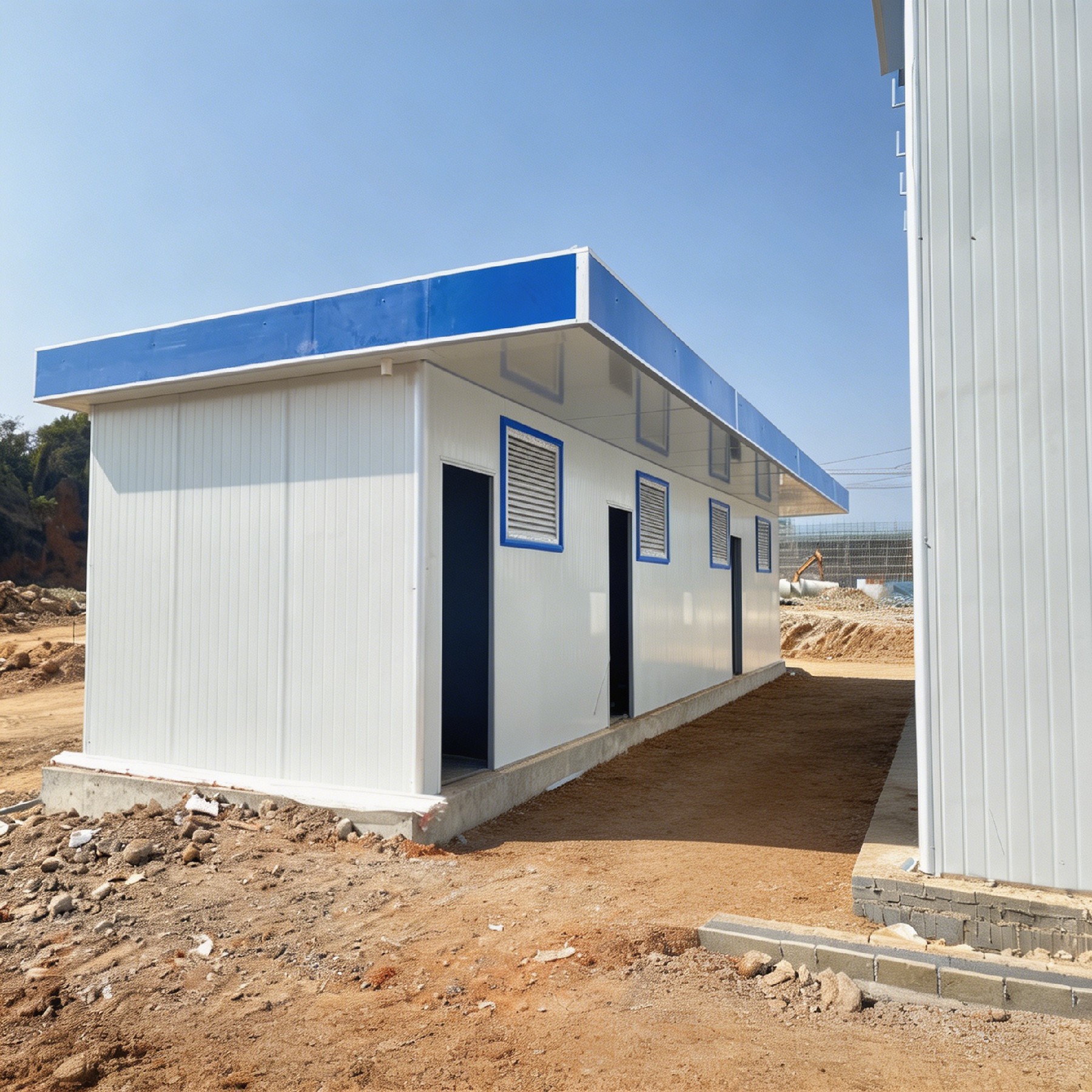
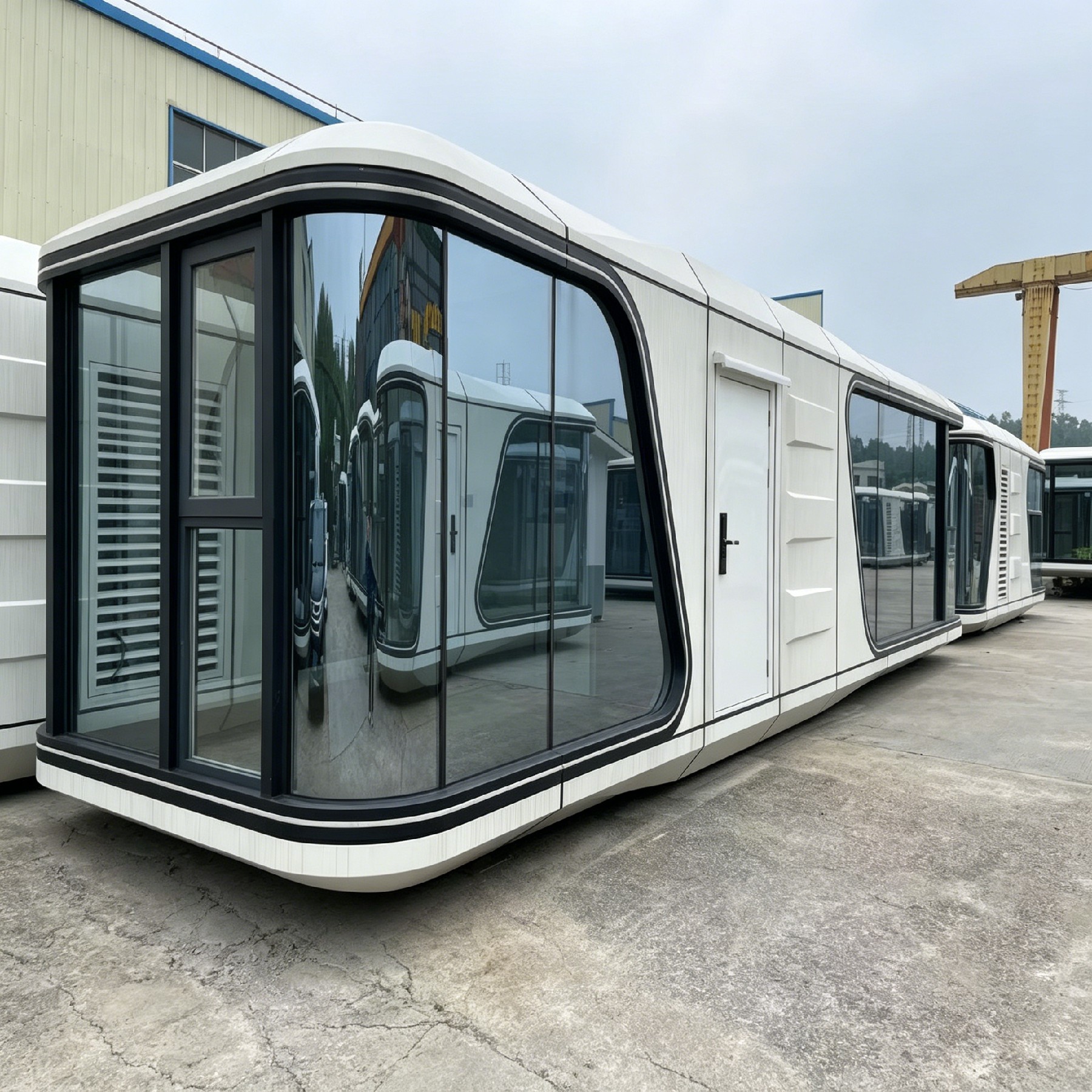
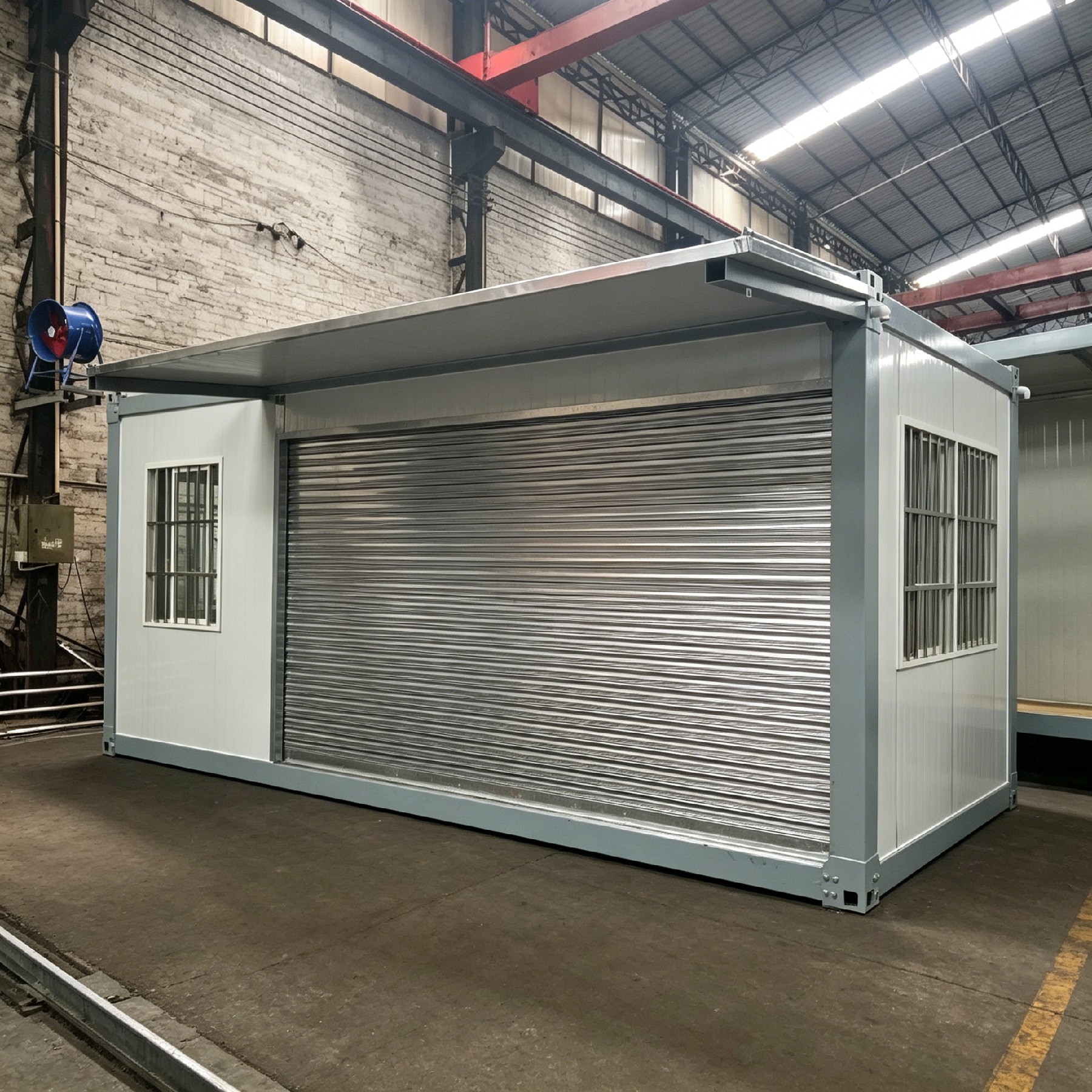
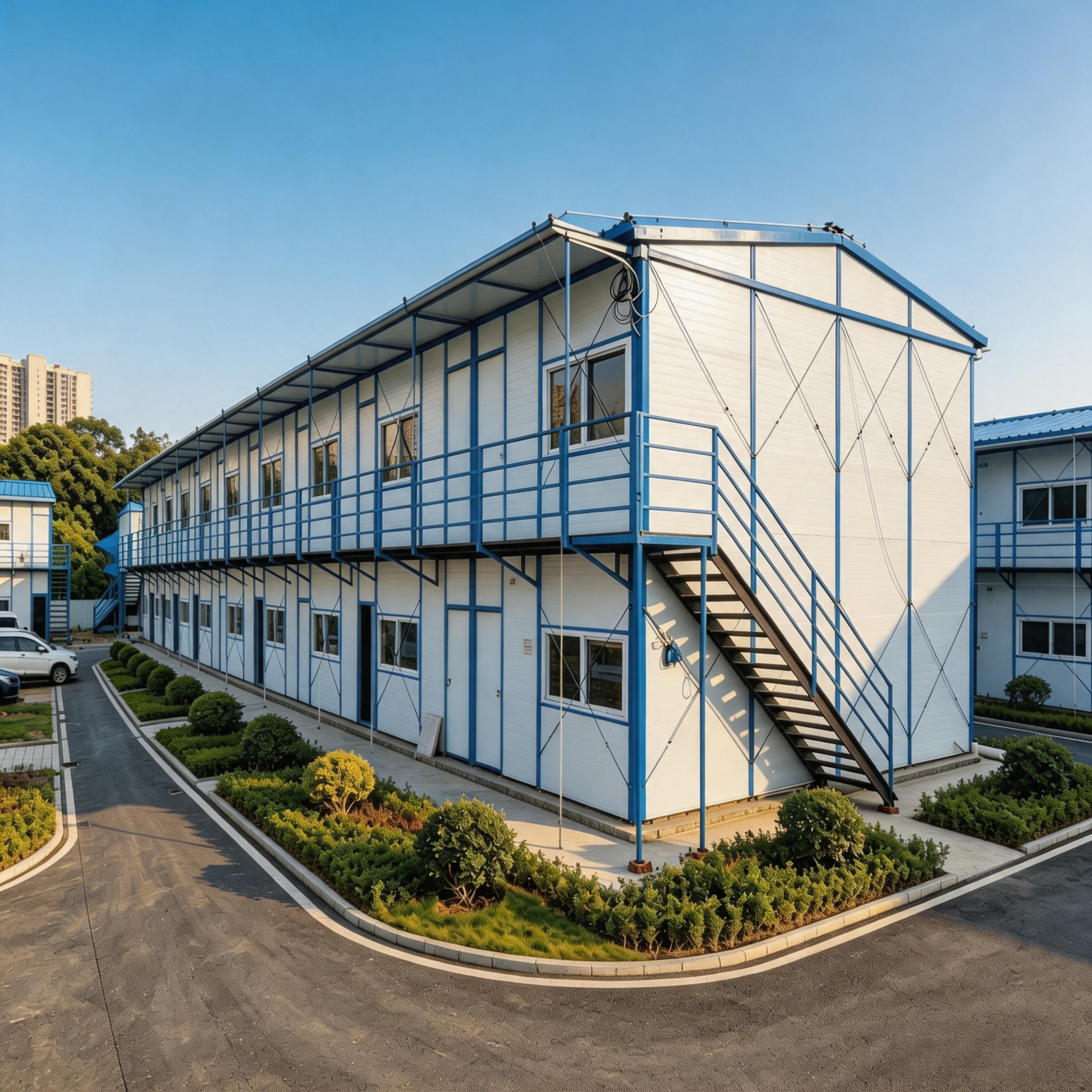
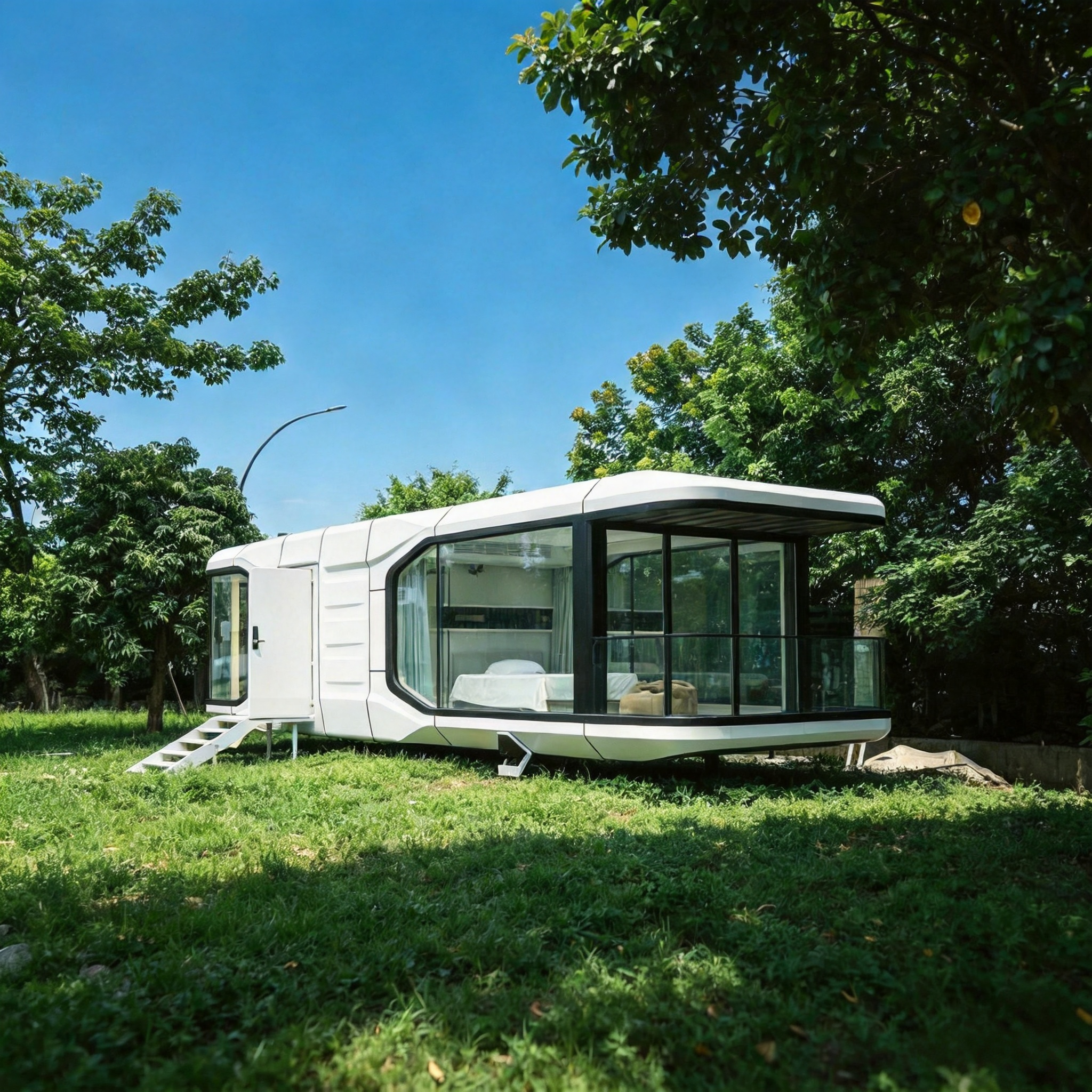
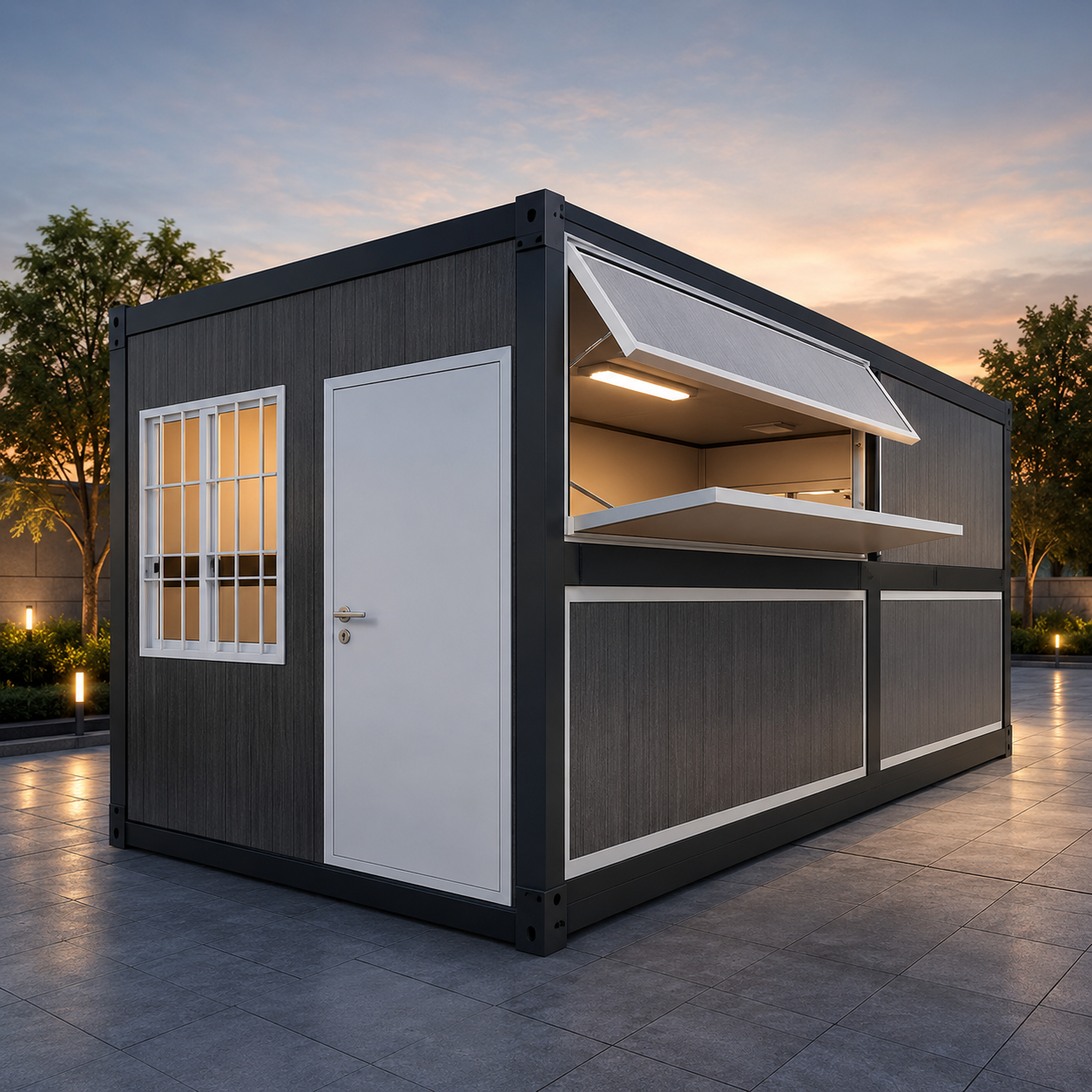
Prefab house prices have become increasingly competitive as modern construction technology advances, offering cost-effective housing solutions for homeowners, developers, and investors. Understanding prefab house prices requires examining various factors including size, design complexity, materials, and customization options. Prefabricated homes are manufactured in controlled factory environments before being transported and assembled on-site, significantly reducing construction time and labor costs. The price range typically varies from $50 to $150 per square foot, depending on specifications and finishes. Basic modular units start at approximately $30,000 for small structures, while luxury prefab homes can exceed $500,000. These prices generally include manufacturing, transportation, and basic installation, though site preparation, foundation work, and utility connections require additional investment. Prefab house prices reflect technological innovations such as precision engineering, energy-efficient insulation systems, sustainable materials, and smart home integration capabilities. The main functions encompass providing rapid housing deployment, weather-resistant structures, customizable floor plans, and expandable living spaces. Applications span residential housing, vacation properties, emergency shelters, workforce accommodation, and commercial offices. The transparent pricing structure allows buyers to budget accurately, with manufacturers providing detailed breakdowns of costs. Market competition has driven prefab house prices down while quality standards have risen, making prefabricated construction an increasingly attractive alternative to traditional building methods for budget-conscious buyers seeking modern, durable, and efficiently constructed homes.

New Product Recommendations

When evaluating prefab house prices, buyers discover substantial practical benefits that extend beyond initial cost savings. The manufacturing process occurs in controlled environments, eliminating weather delays and reducing construction timelines by 30-50 percent compared to conventional building, which translates directly into lower labor expenses and faster occupancy. This efficiency makes prefab house prices more predictable, with fewer unexpected costs during construction. The standardized production methods ensure consistent quality control, reducing defects and warranty claims that often inflate traditional construction budgets. Energy efficiency represents another significant advantage, as prefab homes feature superior insulation and airtight construction, lowering utility bills by 15-20 percent annually and providing long-term operational savings that offset initial investment. The scalability of prefab house prices accommodates various budget levels, from starter homes to executive residences, allowing buyers to select specifications matching their financial capacity without sacrificing structural integrity. Maintenance costs remain lower due to precision manufacturing and modern materials that resist weather damage and deterioration. Financing options have expanded as lenders increasingly recognize prefab homes as permanent structures, offering competitive mortgage rates comparable to traditional housing. The resale value of quality prefabricated homes continues strengthening as consumer awareness grows, protecting buyer investment. Environmental benefits include reduced construction waste, smaller carbon footprints, and sustainable material options, appealing to eco-conscious buyers. The flexibility to relocate certain prefab models adds unique value for buyers requiring temporary or evolving housing solutions. Understanding these multifaceted advantages helps buyers recognize that prefab house prices represent comprehensive value propositions rather than simple purchase transactions.

Latest News

Lufeng Nuclear Power Plant Living Quarter

29

Jun

Lufeng Nuclear Power Plant Living Quarter

View More
 Large-scale camp settled in Guangzhou Baiyun Airport expansion project.

16

Jun

Large-scale camp settled in Guangzhou Baiyun Airport expansion project.

View More
Racing Against Time to Provide Warm, Safe Shelter!

29

Jun

Racing Against Time to Provide Warm, Safe Shelter!

View More

Get a Free Quote

Our representative will contact you soon.
Email
Name
Company Name
Message
0/1000

prefab house prices

Transparent and Predictable Pricing Structure

Transparent and Predictable Pricing Structure

One of the most compelling aspects of prefab house prices is the transparency and predictability offered throughout the purchasing process. Unlike traditional construction where hidden costs and change orders frequently inflate budgets by 10-30 percent, prefabricated housing manufacturers provide detailed, itemized quotes covering all manufacturing components, standard finishes, and delivery logistics. This clarity allows buyers to make informed financial decisions without fear of unexpected expenses derailing their project. The factory-controlled environment eliminates variables such as weather delays, material theft, and subcontractor scheduling conflicts that commonly drive up conventional building costs. Buyers receive fixed-price contracts that protect against market fluctuations in lumber and materials during the construction period. This pricing certainty extends to timeline guarantees, enabling accurate planning for mortgage transitions, lease terminations, or property sales. The competitive market for prefab house prices encourages manufacturers to offer comprehensive packages including appliances, fixtures, and finishing options at bulk-purchase rates unavailable to individual traditional builders. Customization costs are clearly defined, allowing buyers to prioritize upgrades within budget constraints. This transparent approach to prefab house prices builds consumer confidence and facilitates comparison shopping across manufacturers, ultimately driving better value and quality standards throughout the industry.
Rapid Construction and Occupancy Timeline

Rapid Construction and Occupancy Timeline

The accelerated construction schedule inherent in prefabricated housing directly impacts prefab house prices by reducing carrying costs and enabling faster return on investment. While traditional site-built homes require 6-12 months from groundbreaking to completion, prefab homes typically achieve occupancy-ready status within 8-16 weeks after order placement. This dramatic timeline compression occurs because manufacturing progresses simultaneously with site preparation and foundation work, eliminating sequential delays. The controlled factory environment operates year-round regardless of weather conditions, maintaining consistent production schedules impossible with outdoor construction. This speed advantage translates into substantial savings on temporary housing, storage fees, and construction loan interest that would accumulate during extended traditional builds. For investment properties, faster occupancy means rental income begins months earlier, improving overall project economics and justifying competitive prefab house prices. Businesses requiring workforce housing or expanding operations benefit from predictable deployment schedules that align with staffing needs and operational timelines. The reduced construction duration also minimizes neighborhood disruption, an important consideration for infill development or community projects. Quality control inspections occur throughout the manufacturing process rather than after installation, preventing costly remediation delays. This efficiency allows manufacturers to optimize labor utilization and pass productivity savings to consumers through competitive prefab house prices while maintaining superior quality standards.
Customization Options Across Budget Ranges

Customization Options Across Budget Ranges

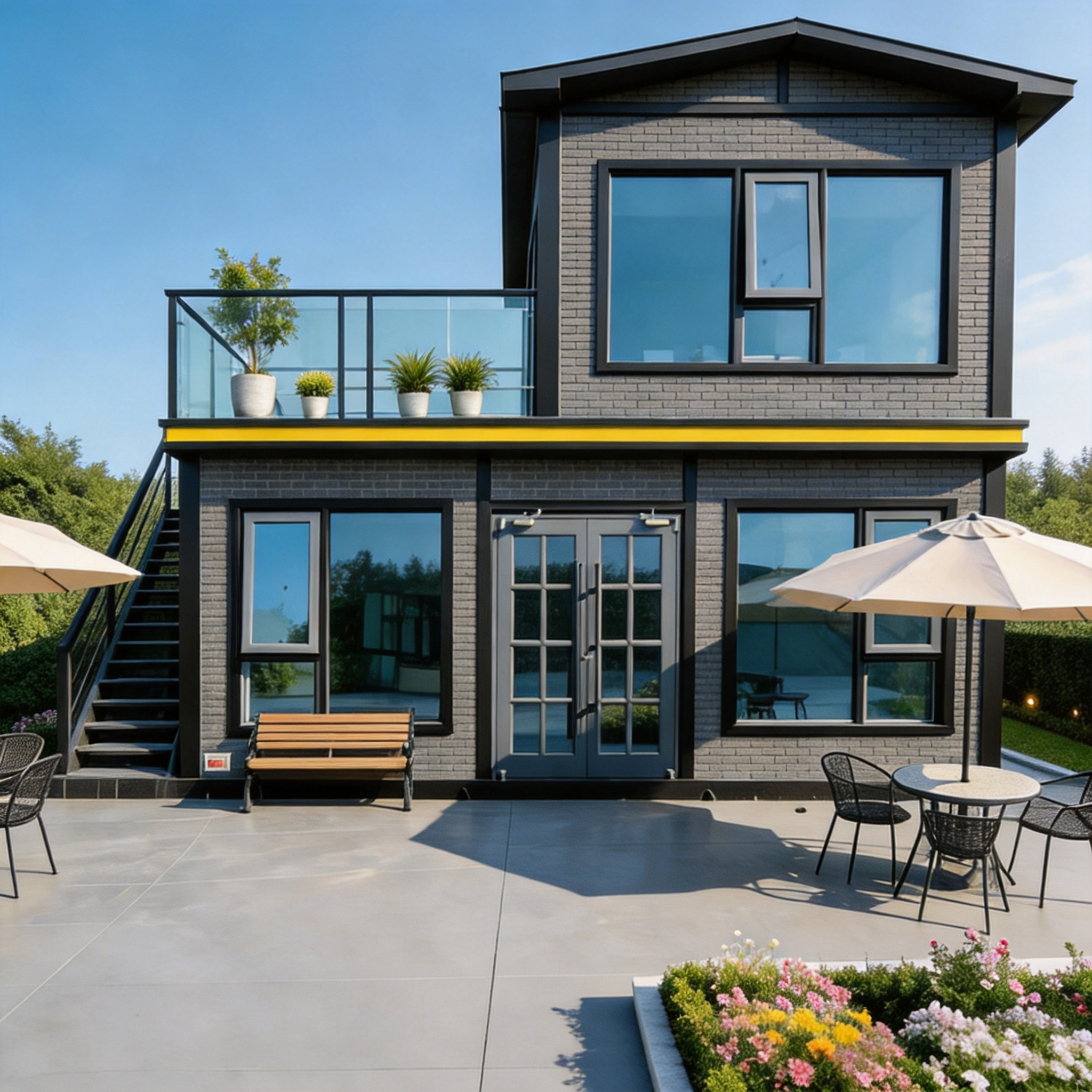
Modern prefab house prices accommodate diverse buyer preferences through extensive customization options that span budget-conscious basics to luxury specifications. Manufacturers offer modular design platforms where buyers select floor plans, exterior finishes, interior layouts, and fixture packages matching their aesthetic preferences and functional requirements. Entry-level configurations provide solid construction and essential features at accessible price points, while premium packages include hardwood flooring, granite countertops, designer fixtures, and smart home technology. This tiered approach to prefab house prices ensures accessibility for first-time buyers while satisfying discerning customers seeking upscale amenities. The factory production model accommodates special requests more efficiently than site-built construction, with design modifications implemented during manufacturing rather than through costly field changes. Buyers can visualize selections through digital rendering tools before production begins, ensuring satisfaction and reducing expensive post-installation alterations. Energy upgrade packages allow environmentally conscious buyers to invest in solar panels, advanced HVAC systems, and superior insulation within transparent pricing frameworks. The scalability extends to home size, with options ranging from compact studios to multi-story family residences, all benefiting from manufacturing efficiencies that keep prefab house prices competitive across categories. This flexibility empowers buyers to prioritize features most important to their lifestyle while maintaining budget discipline throughout the selection process.
Inquiry Inquiry Email Email WhatsApp WhatsApp
WhatsApp
Wechat Wechat
Wechat
Prefab House Prices Guide: Costs & Benefits