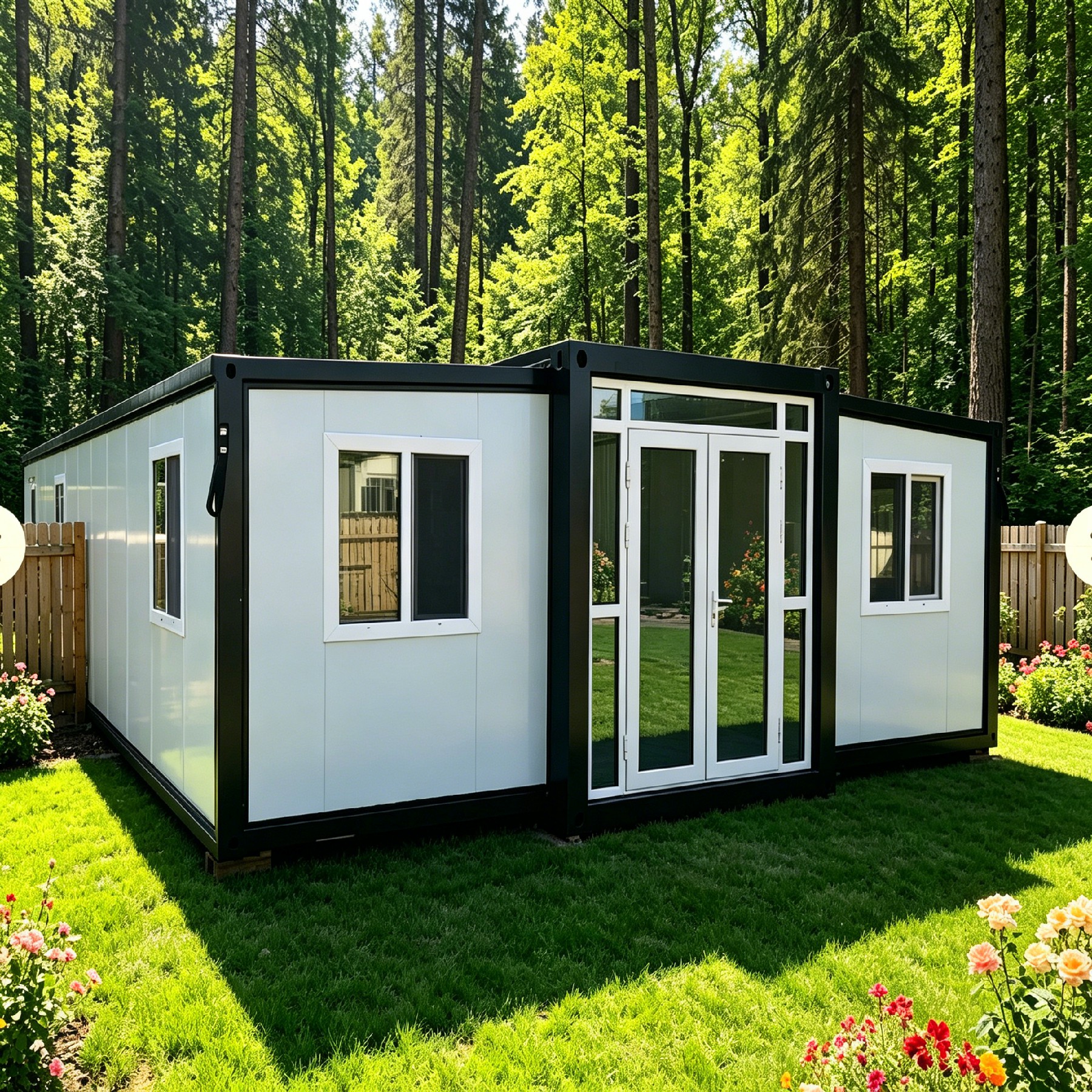
The question of environmental sustainability in modern office construction has never been more urgent. Organizations worldwide are seeking ways to reduce their carbon footprint while maintaining functional, attractive workspaces. Modular building represents a transformative approach that addresses these twin goals through innovative design and manufacturing practices. Unlike traditional construction methods that generate significant waste and consume extensive resources, modular building systems are engineered to minimize environmental impact while delivering high-performance office environments. This article explores how modular building achieves genuine sustainability for eco-friendly offices and why this approach is gaining momentum across corporate and institutional sectors.
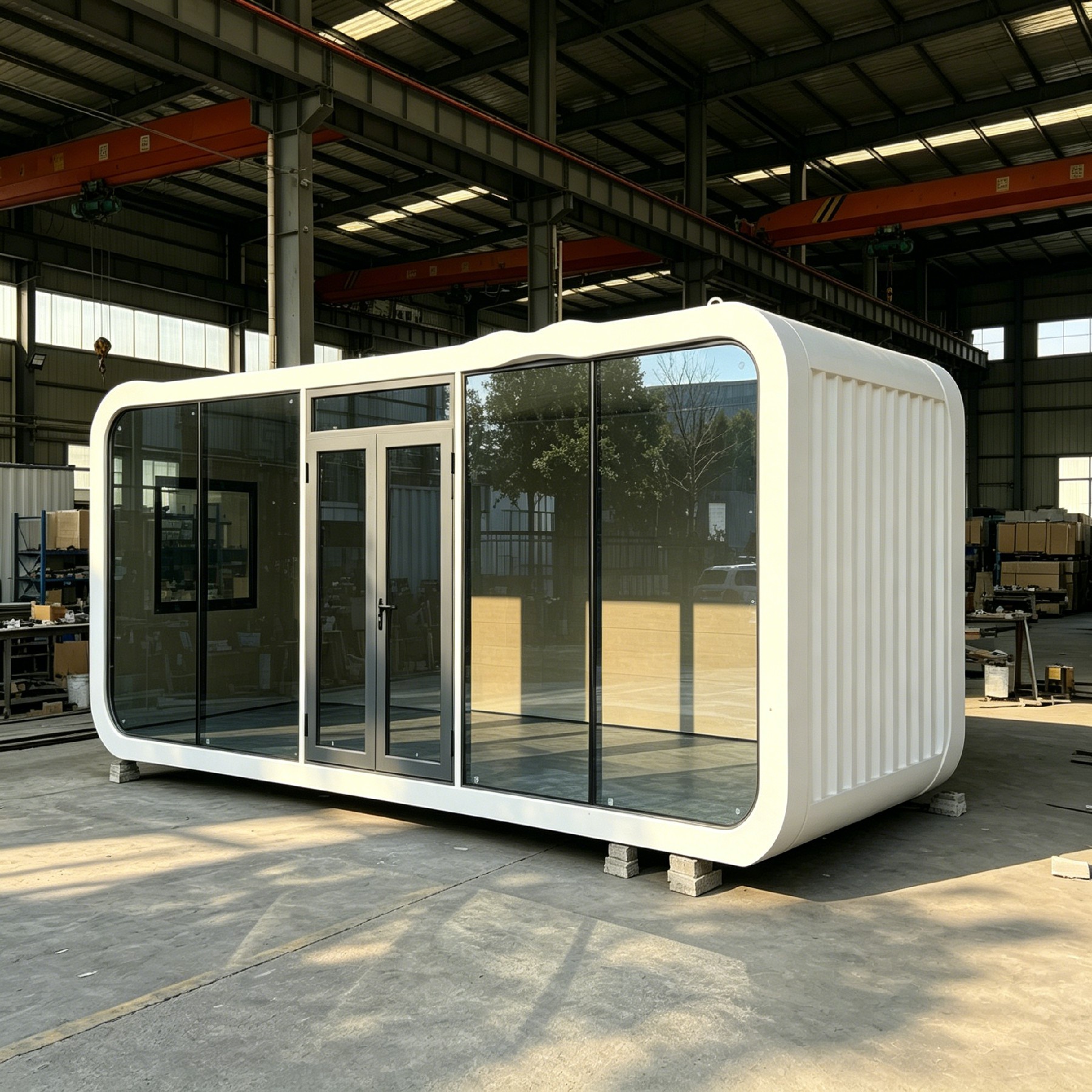
Sustainability in office design encompasses far more than installing solar panels or using recycled materials. It requires a fundamental rethinking of how buildings are manufactured, transported, assembled, and eventually decommissioned. Modular building accomplishes this by shifting construction from site-based work to controlled factory environments where precision, efficiency, and waste reduction are systematized. This comprehensive approach to sustainable modular building delivers measurable environmental advantages that traditional construction methods cannot replicate, making it an increasingly compelling choice for organizations committed to genuine ecological responsibility.
Environmental Benefits of Modular Building Construction
Waste Reduction and Material Efficiency
Factory-based manufacturing inherent to modular building dramatically reduces construction waste compared to site-based building methods. In traditional construction, waste rates typically reach 20 to 30 percent of materials. Modular building systems, by contrast, operate in controlled environments where materials are precisely cut, measured, and managed before assembly, reducing waste to 5 to 10 percent. This efficiency stems from standardized designs and automated fabrication processes that characterize effective modular building operations. Leftover materials from modular building production are systematically collected, sorted, and reused or recycled, creating a circular supply chain that minimizes landfill contribution.
Beyond immediate waste reduction, modular building enables manufacturers to optimize material specifications for each component. Structural elements, insulation, electrical systems, and finishes are selected based on precise performance requirements rather than conservative overspecification. This targeted material selection in modular building projects reduces overall resource consumption without compromising safety or durability. Water recycling systems integrated into many modular building facilities further enhance material efficiency by recovering and reusing water from production processes, creating a model of resource-conscious manufacturing that demonstrates how modular building delivers genuine sustainability.
Transportation and Energy Footprint
The transportation impact of construction represents a significant environmental variable that modular building substantially improves. Because modular building components are manufactured in centralized facilities and transported as complete modules rather than individual materials, logistics efficiency increases dramatically. A single truck carrying finished modular building modules replaces multiple shipments required in conventional construction supply chains. The consolidation of transportation in modular building projects reduces fuel consumption, emissions, and associated environmental impact by 20 to 40 percent compared to traditional material delivery patterns.
Energy consumption during manufacturing represents another critical sustainability dimension. Modular building factories invest in efficient equipment, lighting systems, and climate control technologies that reduce per-unit energy requirements. Because modular building production occurs year-round in standardized facilities, manufacturers optimize heating, cooling, and equipment utilization in ways that site-based construction cannot achieve. LED lighting, energy recovery systems, and renewable power sources increasingly power modular building facilities, further lowering the operational energy footprint of this sustainable construction methodology.
Design Flexibility and Long-Term Sustainability
Adaptability and Extended Building Lifecycle
Modular building inherently supports sustainability through design adaptability that extends facility lifecycles and reduces demolition waste. Unlike conventional structures designed for fixed purposes, modular building systems feature standardized connections and removable components that allow office reconfiguration without structural modification. When organizational needs evolve, modular building spaces can be reorganized, expanded, or reconfigured through module repositioning rather than extensive renovation or rebuilding. This flexibility transforms how organizations view office real estate sustainability, as modular building facilities can serve multiple purposes throughout their operational lifetime.
The end-of-life sustainability of modular building projects represents another crucial advantage. Should a facility reach the end of its current use cycle, individual modules in a modular building can be disassembled, transported to new locations, and repurposed rather than demolished. This component reuse model fundamentally changes the sustainability calculus, as modular building materials and systems retain value across multiple building iterations. Organizations can therefore invest in modular building offices with confidence that their environmental footprint will be substantially lower than comparable conventional structures, particularly when considering the extended productive lifespan of modular building components.
Resource Efficiency in Operations
Beyond manufacturing and assembly, modular building offices typically achieve superior operational sustainability through integrated efficiency systems. Factory manufacturing of modular building components allows integration of high-performance insulation, efficient HVAC systems, and advanced window technologies during production rather than as retrofits. This integrated approach means modular building facilities consistently deliver better thermal performance and lower operational energy consumption than traditional offices where these systems are installed sequentially. The precision of modular building assembly also eliminates thermal bridging and air leakage points common in site-constructed buildings, further enhancing sustainability through reduced heating and cooling demands.
Water management represents another sustainability dimension where modular building excels. Fixtures, plumbing systems, and greywater recycling infrastructure are installed and tested in factory conditions before modular building modules arrive at their final location. This quality assurance reduces leakage rates and water waste common in traditionally constructed buildings. Additionally, many modular building projects incorporate stormwater management systems, low-flow fixtures, and rainwater collection capabilities that reduce municipal water demand and support long-term environmental responsibility.
Economic Sustainability and Business Value
Cost Efficiency and Return on Sustainability Investment
Sustainability gains from modular building are substantially reinforced by superior economic performance that makes environmental responsibility financially sensible. The manufacturing efficiency inherent to modular building reduces overall construction costs by 15 to 25 percent compared to traditional building methods for equivalent office spaces. Faster project timelines associated with modular building construction reduce carrying costs, financing expenses, and revenue delay for organizations implementing office facilities. These economic advantages mean that choosing modular building for sustainability reasons simultaneously delivers cost benefits, eliminating the false choice between environmental responsibility and financial prudence.
Operational cost reductions further enhance the business case for modular building sustainability investments. Lower energy consumption from superior thermal performance reduces monthly utility expenses across the facility's operational lifetime. Maintenance costs for modular building systems tend to be predictable and lower than traditional construction because components are manufactured to precise specifications and installed under controlled conditions. These operational savings accumulate over years, making the initial cost advantage of modular building even more compelling when considering total cost of ownership across a 20 or 30-year office lifespan.
Stakeholder Value and Market Recognition
Organizations investing in modular building office construction increasingly benefit from stakeholder recognition of genuine sustainability commitment. Modular building facilities with certified environmental performance attract talent seeking employers demonstrating authentic environmental responsibility. Tenants and occupants recognize and appreciate high-performance office environments delivered through modular building, supporting higher lease rates and improved occupancy stability. Additionally, modular building projects frequently qualify for green building certifications and environmental tax incentives, further enhancing financial returns while validating sustainability credentials.
The strategic value of modular building extends to corporate responsibility positioning and stakeholder communication. Organizations can publicly demonstrate measurable sustainability metrics from modular building construction, including waste reduction percentages, carbon footprint reductions, and energy efficiency improvements. These quantified benefits transform abstract sustainability commitments into concrete evidence of responsible corporate behavior, supporting brand positioning and stakeholder confidence. Modular building therefore represents not only an environmentally superior construction method but also a strategic business asset that reinforces organizational credibility and market differentiation.
FAQ
Does modular building sacrifice quality or durability compared to traditional construction?
No, modular building components typically demonstrate superior quality and durability due to factory manufacturing under controlled conditions. Every element of modular building construction undergoes rigorous quality testing before leaving the factory, whereas site-based construction occurs in variable weather conditions with less systematic inspection. Modular building systems are engineered to withstand transportation and assembly stresses, resulting in robust structures that often exceed conventional building performance standards. Organizations can confidently invest in modular building offices knowing they receive durable, high-quality facilities.
Can modular building designs accommodate unique office requirements or must they use generic layouts?
Modular building design flexibility is far greater than many assume. While modular building relies on standardized components and connection systems, these elements combine in numerous configurations to create unique office environments tailored to specific organizational needs. Modular building manufacturers work with design teams to develop custom module arrangements, interior finishes, and integrated systems that reflect organizational requirements while maintaining the efficiency advantages of modular building methodology. Sustainability goals need not constrain design creativity within modular building frameworks.
What timeline should organizations expect for modular building office construction and occupancy?
Modular building projects typically achieve completion and occupancy 30 to 40 percent faster than equivalent traditional construction. Site preparation and utilities infrastructure can proceed simultaneously with modular building factory production, compressing overall project duration. Assembly of modular building modules on-site typically requires weeks rather than months, enabling rapid occupancy once manufacturing completes. This accelerated timeline from modular building methodology provides organizations with faster facility availability and earlier realization of operational benefits, adding another dimension to the comprehensive advantages of sustainable modular building office construction.