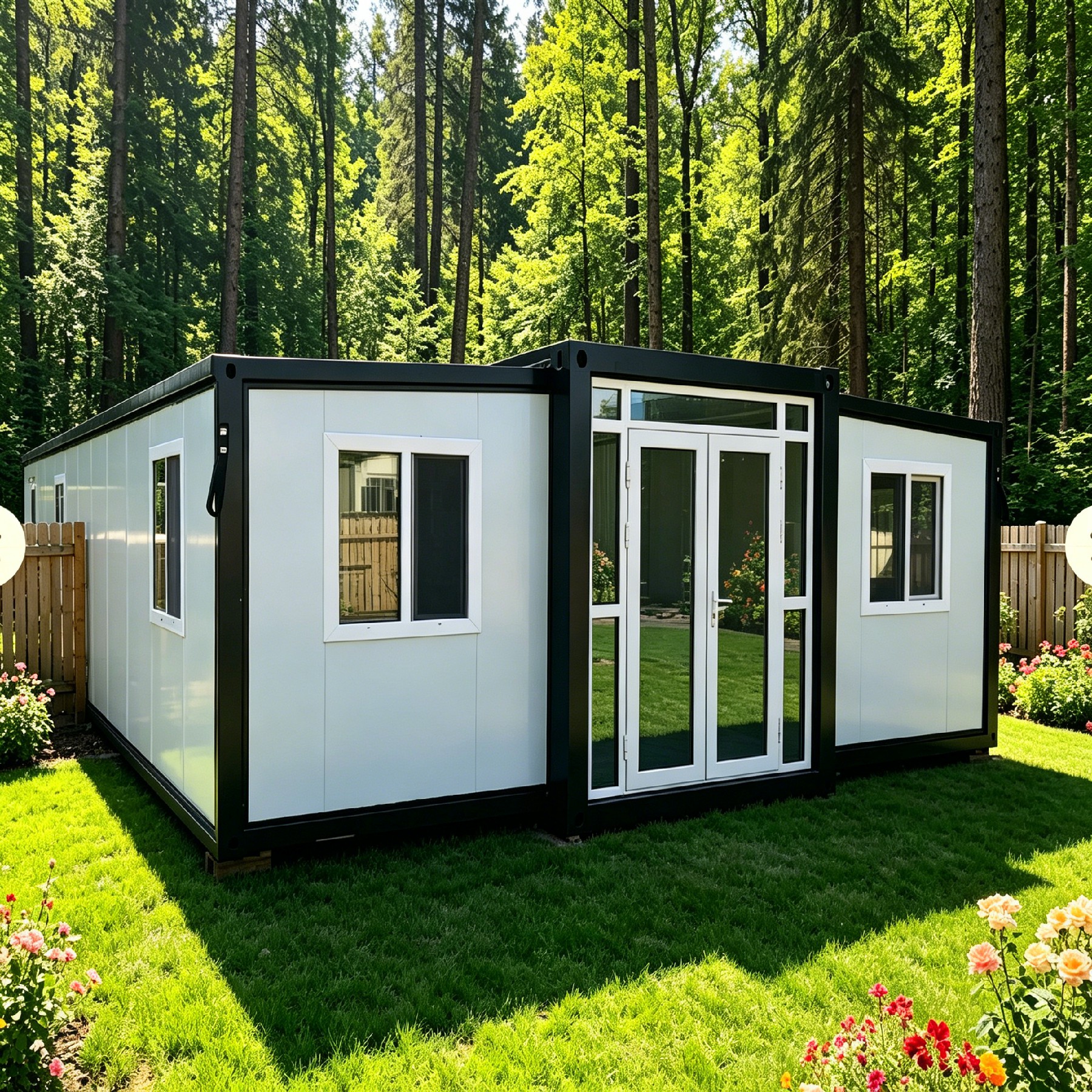
The hospitality industry is undergoing a significant transformation, and modular building has emerged as a game-changing approach for hotel developers worldwide. Traditional hotel construction methods often stretch timelines, inflate budgets, and create logistical complexity that leaves developers searching for smarter alternatives. Modular building addresses these pain points directly, offering a construction methodology that combines speed, cost efficiency, and design flexibility in ways that conventional construction simply cannot match.
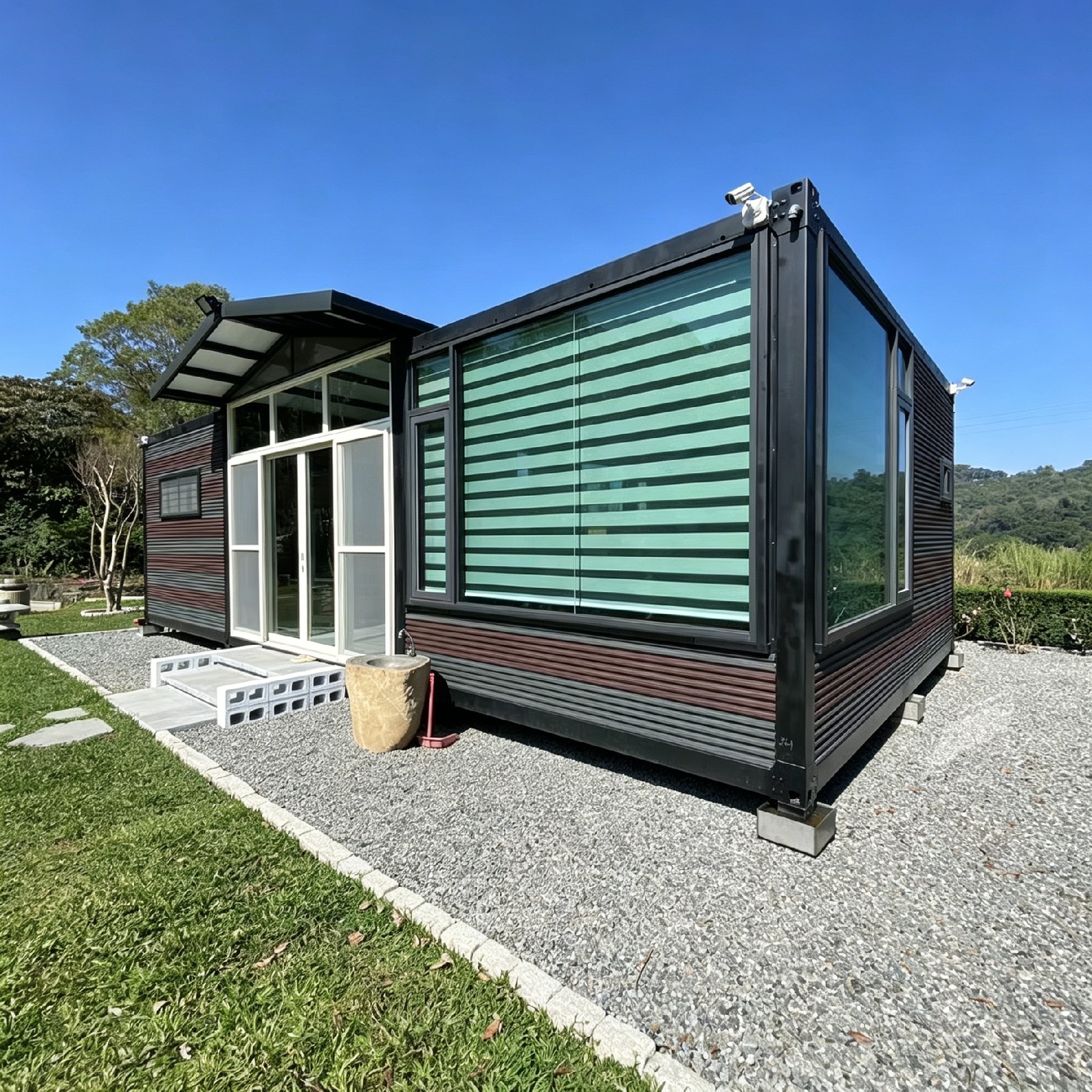
For developers looking to maximize returns on investment while managing construction risk, modular building represents a strategic choice rather than a niche solution. The approach aligns perfectly with the hospitality sector's need for rapid deployment, consistent quality, and predictable project outcomes. Understanding why modular building has become the preferred choice for forward-thinking hotel developers requires examining the concrete advantages that directly impact project success and long-term profitability.
Cost Efficiency and Budget Control
Reducing Construction Expenses Through Modular Building
One of the most compelling reasons developers choose modular building for hotels is the substantial reduction in construction costs. Traditional on-site construction involves managing multiple contractors, extended labor timelines, and weather-related delays that invariably drive expenses upward. Modular building eliminates many of these cost drivers by consolidating construction activities in controlled factory environments where materials are used efficiently and labor productivity remains consistently high.
When developers implement modular building strategies, they benefit from economies of scale in material procurement and streamlined manufacturing processes. Waste reduction alone can represent a significant cost advantage, as modular building systems generate minimal material waste compared to traditional construction methods. Labor costs decrease substantially because skilled workers in factory settings work more productively than crews managing complex on-site conditions. These factors combine to create project budgets that hotels can defend to stakeholders with confidence.
Predictable Pricing and Financial Planning
Financial predictability distinguishes modular building from conventional hotel construction approaches. When developers choose modular building, they negotiate fixed pricing for manufactured modules early in the project lifecycle, protecting the budget from inflation and supply chain surprises that plague traditional construction. This pricing certainty allows developers to secure financing more easily and present investors with realistic financial projections that rarely require revision.
The modular building methodology also reduces contingency reserves developers typically maintain for traditional projects. With fixed module production schedules and predetermined assembly timelines, the financial risk profile improves dramatically compared to conventional construction where unexpected site conditions or weather delays can quickly consume contingency budgets and extend project timelines indefinitely.
Accelerated Project Timelines
Parallel Construction Reduces Time-to-Market
Developers who select modular building for hotels gain a decisive competitive advantage through dramatically compressed construction schedules. Unlike traditional methods where site preparation must complete before construction begins, modular building enables simultaneous foundation work and module manufacturing. This parallel construction approach can reduce overall project timelines by thirty to fifty percent, allowing developers to capture market opportunities faster and begin generating revenue ahead of competitors still working through conventional construction phases.
The speed advantage of modular building becomes especially valuable in competitive hospitality markets where first-mover advantage determines market share and occupancy rates. Developers choosing modular building methodologies can deliver hotel properties to operational status while competitors are still in construction planning. This time compression translates directly into earlier investment returns, improved project financing terms, and stronger competitive positioning in destination markets.
Consistent Quality Through Factory Production
When developers implement modular building approaches, they delegate quality control to factory environments where standardized processes and repetitive manufacturing ensure consistent results across all modules. Every unit produced through modular building procedures meets identical specifications, eliminating the quality variation that plagues traditional on-site construction where weather, subcontractor capabilities, and site conditions introduce inconsistencies.
This quality consistency inherent in modular building reduces punch-list items, warranty claims, and remedial work that typically extend project closeout timelines and inflate final costs. Developers benefit from modules that arrive at construction sites pre-tested and certified, requiring minimal on-site quality inspections compared to traditional construction methods requiring extensive verification of countless construction tasks.
Design Flexibility and Market Adaptation
Customization Within Modular Building Parameters
A common misconception suggests that developers choosing modular building sacrifice design creativity for standardization. In reality, contemporary modular building systems offer substantial customization possibilities within modular parameters, allowing architects and developers to create distinctive hotel properties that reflect brand identity and market positioning. Exterior finishes, interior layouts, amenity configurations, and architectural details can be customized within the structural framework that modular building provides.
Developers selecting modular building maintain creative control over guest-facing design elements while benefiting from production efficiencies inherent in standardized structural systems. This balance between customization and standardization represents a sophisticated approach that developers increasingly recognize as superior to both full customization with traditional construction and rigid standardization in older prefabrication methods. Modular building enables developers to compete on design differentiation without abandoning the efficiency advantages that make projects financially viable.
Scalability for Diverse Hotel Formats
Developers choose modular building because the approach scales effectively across diverse hotel formats, from limited-service properties to extended-stay facilities and boutique hospitality concepts. The modular framework adapts to different room counts, amenity mixes, and operational requirements without requiring fundamentally different construction methodologies. Whether developing a hundred-room budget hotel or a four-hundred-room full-service property, modular building principles remain consistent and proven.
This scalability advantage means developers can apply modular building expertise across multiple projects and market segments, building institutional knowledge and supply chain relationships that strengthen competitiveness over time. Architects and construction teams familiar with modular building systems work increasingly efficiently as they complete successive projects, creating a learning curve that conventional construction methodologies rarely achieve.
Sustainability and Operational Performance
Environmental Benefits of Modular Building Construction
Environmental responsibility increasingly influences developer decisions, and modular building delivers measurable sustainability advantages that conventional construction cannot match. Factory-controlled manufacturing inherent in modular building minimizes material waste, optimizes resource utilization, and enables precise quality control that prevents rework-related waste. The energy efficiency specifications achievable through modular building systems often exceed conventional construction standards because factory production processes apply consistent insulation, sealing, and installation practices that field construction struggles to achieve reliably.
Developers selecting modular building also reduce environmental impact through transportation efficiency and reduced on-site construction activity that generates dust, noise, and construction waste. The shortened construction timeline associated with modular building further minimizes environmental disruption in surrounding communities, creating positive relationships with local stakeholders and simplifying environmental permitting processes for developers.
Long-Term Operational Efficiency
The operational performance advantages flowing from modular building extend throughout the property lifecycle, creating value that transcends initial construction phases. Hotels constructed through modular building methodologies typically exhibit superior building envelope integrity, more consistent HVAC performance, and higher-quality finishes that require less frequent replacement or repair compared to conventionally constructed properties. These durability characteristics reduce maintenance costs and improve the ownership experience for hotel operators.
Developers who incorporate modular building benefit from properties that command higher valuation multiples at resale because buyers recognize the quality consistency and performance reliability that factory-manufactured systems deliver. The institutional knowledge embedded in modular building methodologies continues benefiting property owners through decades of operation, making the construction approach a long-term value driver rather than merely a project acceleration technique.
FAQ
What makes modular building suitable for diverse hotel concepts?
Modular building principles adapt across different hotel formats because the structural framework remains consistent while interior layouts, finishes, and amenity configurations can be customized to match specific brand standards and market positioning. Whether developers pursue limited-service economy hotels, extended-stay facilities, or boutique concepts, modular building systems provide the structural foundation while allowing architectural creativity in guest-facing elements. This combination of standardized efficiency and customizable design makes modular building viable for virtually any hotel development scenario.
How does modular building reduce construction timelines compared to traditional methods?
Modular building enables parallel construction where foundation and site preparation proceed simultaneously while manufacturing facilities produce modules off-site. Traditional construction requires site preparation completion before structural work begins, creating sequential delays. When developers choose modular building, modules arrive at sites substantially complete and require only assembly and final connections, eliminating months of on-site construction activities. This parallel approach typically compresses overall project timelines by thirty to fifty percent, allowing developers to achieve operational status and begin revenue generation significantly faster than conventional construction timelines permit.
Do modular building hotels require special maintenance or operational modifications?
Hotels constructed through modular building systems operate identically to conventionally built properties and require no special maintenance protocols or operational modifications. The modular construction methodology affects how the building is assembled, not how it functions operationally. Facility managers and hotel operators interact with modular building properties using standard hospitality industry practices. In fact, the superior quality consistency and higher-specification building envelope components delivered through modular building often result in lower maintenance requirements and reduced lifecycle costs compared to conventionally constructed competitive properties.