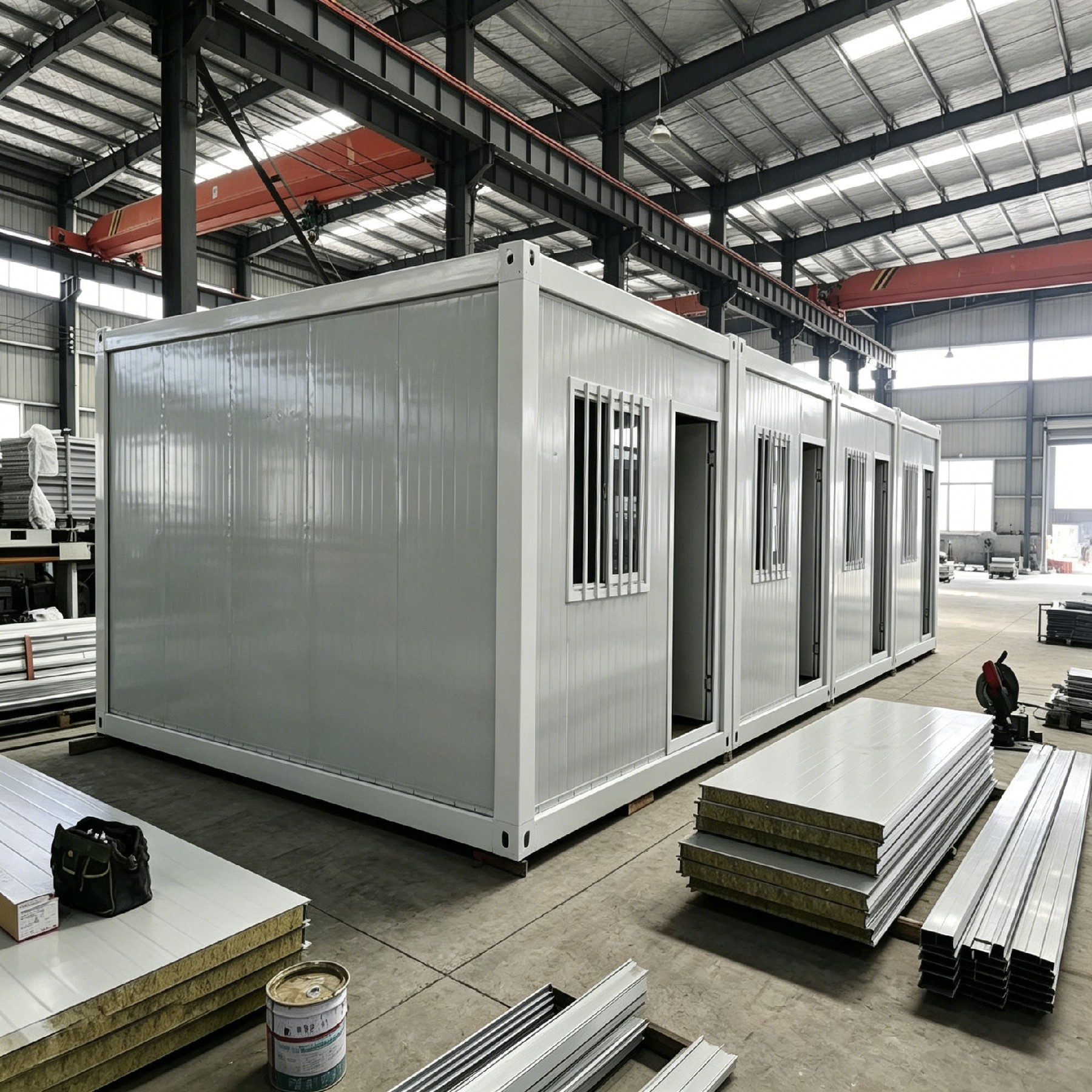
A prefabricated house can be a faster route to homeownership, but it is not automatically the fastest option for every buyer. Factory production can overlap with site preparation, helping shorten the construction phase. A prefabricated house still depends on land, permits, financing, delivery access, and a suitable design, so the full timeline begins well before assembly.
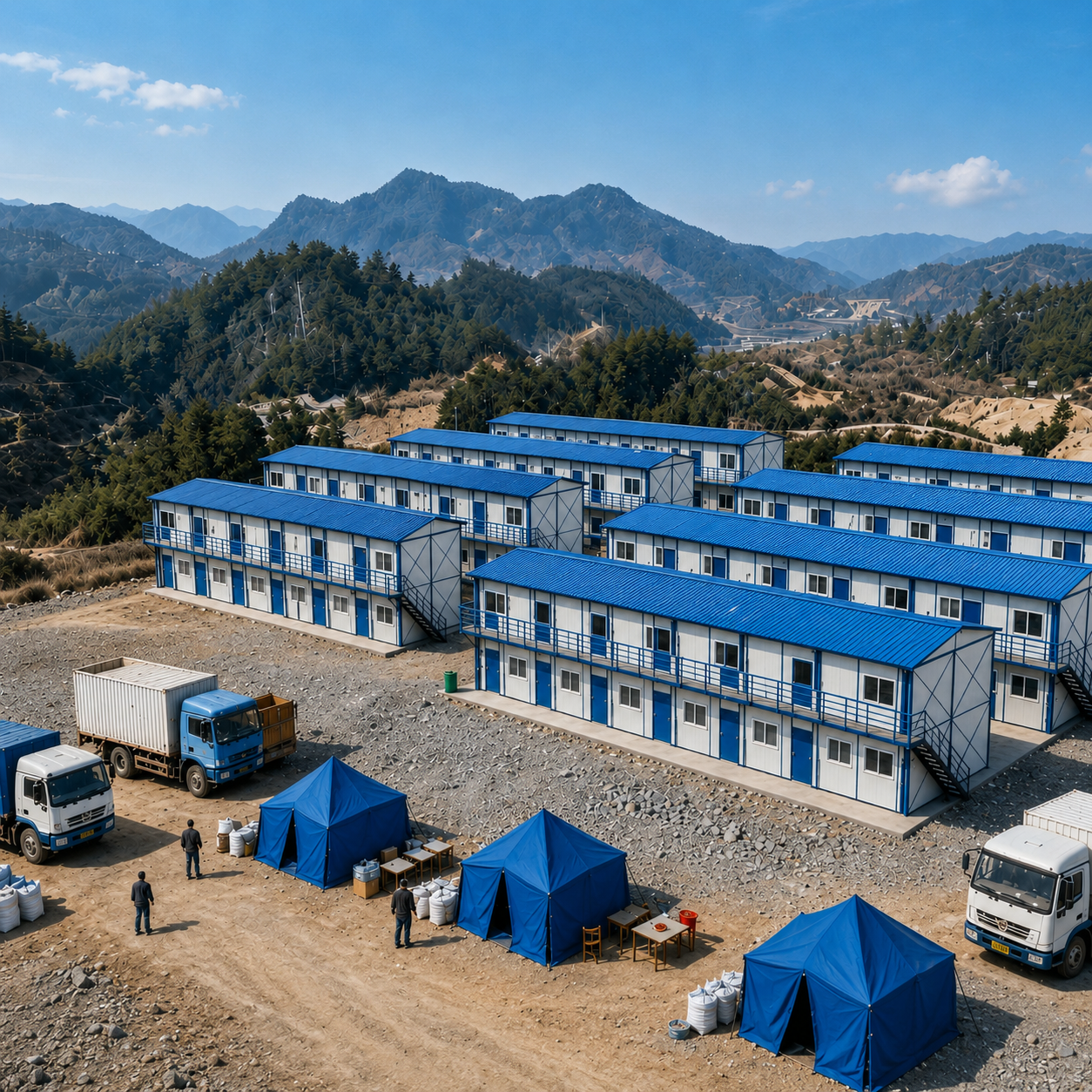
The practical answer is conditional: a prefabricated house may offer a shorter and more predictable build when key decisions are made early and the property is ready for construction. Buyers should compare the complete journey, not just factory time. This article explains where a prefabricated house saves time, what can cause delays, and how to judge whether it fits your path to ownership.
Where a prefabricated house can save time
Factory work and site preparation happen in parallel
A major time advantage comes from coordinating production with work at the property. While a prefabricated house is being manufactured, contractors may be able to prepare foundations, arrange utility connections, and plan site access. This parallel workflow can reduce idle time compared with a sequence in which each construction stage must wait for the previous one to finish.
That overlap is useful only when the plans, engineering requirements, and site conditions are sufficiently clear. If foundation dimensions change after production begins, a prefabricated house may need redesign or adjustments. Confirming the building footprint, local requirements, and delivery route early allows the factory schedule and site schedule to support one another rather than create avoidable rework.
Controlled production can make scheduling clearer
Indoor production is less exposed to some weather disruptions than work performed entirely outdoors. A prefabricated house can therefore have a more controlled manufacturing sequence, with materials and tasks coordinated in a dedicated setting. This does not eliminate delays, but it can make the production portion easier to plan than a build relying on uninterrupted on-site activity.
For a buyer, clearer scheduling helps connect construction milestones with mortgage drawdowns, temporary housing, and a planned move. Ask what the quoted schedule includes and how the prefabricated house moves from production to delivery, assembly, inspection, and occupancy. A factory completion date alone is not a move-in date; finishing work and local approvals still need to be accounted for.
What determines the real ownership timeline
Land readiness and approvals set the starting conditions
A ready building site can make the prefabricated house process more direct, while unresolved land issues can consume the time gained through factory production. Buyers may need to confirm zoning, setbacks, access, soil conditions, drainage, and utility availability. Requirements vary by location, so early contact with relevant authorities and qualified local professionals is essential before committing to a final plan.
Permitting can affect both design and schedule. A prefabricated house must meet applicable building codes, and reviewers may request drawings, engineering details, or revisions before approval. Submitting a complete package and checking whether the proposed design suits the property can reduce back-and-forth. Do not assume that an off-site building method bypasses normal approvals or inspections.
Financing, transport, and completion matter
Financing arrangements can shape when a buyer is able to order a prefabricated house and how payments align with production milestones. Clarify lender requirements, insurance, deposit terms, and the treatment of land and construction costs. A financing gap or a delayed approval may hold up an otherwise ready project, even if the factory can begin work promptly.
Delivery also depends on distance, road conditions, permits for oversized loads where applicable, and safe access to the site. Once a prefabricated house arrives, assembly, connection of services, interior completion, and required inspections remain. Request a schedule that identifies these stages and the party responsible for each handoff. That detail gives a more realistic view of when the home can be occupied.
How to judge whether it is your fastest route
Check project readiness before comparing dates
A useful comparison starts with a readiness review rather than a headline construction estimate. For a prefabricated house, establish whether the land is secured, the design is acceptable locally, access is practical, and utilities can be connected. Then ask for a project schedule covering approvals, production, foundation work, transport, assembly, finishes, and inspections.
Compare that complete schedule with realistic alternatives available for your site, not with an idealized timeline. A prefabricated house may be especially time-efficient when standard plans meet your needs and the site requires limited preparation. Custom changes, difficult ground conditions, or lengthy approval processes can reduce the advantage, so identify these constraints before setting a move-in target.
Build a reliable decision around milestones
Ask for written milestone dates, dependencies, and a clear explanation of what is excluded from the schedule. For a prefabricated house, verify who coordinates foundation work, delivery, assembly, utility connections, and final inspections. Also clarify how design changes or site discoveries affect the program. Milestones make it easier to track progress and adjust housing plans without relying on a single optimistic completion estimate.
A prefabricated house can be a strong choice when predictable coordination matters and the buyer can make decisions early. It is not necessarily the quickest route when land, permits, funding, or access remain uncertain. For a project-specific starting point, review the prefabricated house option alongside your site constraints, then confirm technical suitability and local approval requirements before treating any schedule as firm.
FAQ
Does a prefabricated house always take less time to build?
No. A prefabricated house can reduce or overlap some construction tasks, but land preparation, approvals, delivery, finishing, and inspections still take time. The overall schedule depends on the project and local conditions.
What should be ready before ordering a prefabricated house?
Ideally, the buyer has confirmed land suitability, design requirements, access, utility plans, financing, and the approval process. A prefabricated house order is easier to schedule when these decisions are settled and responsibilities are clear.
How can buyers compare the timeline accurately?
Compare schedules from initial approvals through occupancy, not just manufacturing duration. For each prefabricated house plan, check milestone assumptions, site work, delivery, completion tasks, and inspection requirements so the comparison reflects the full route to ownership.