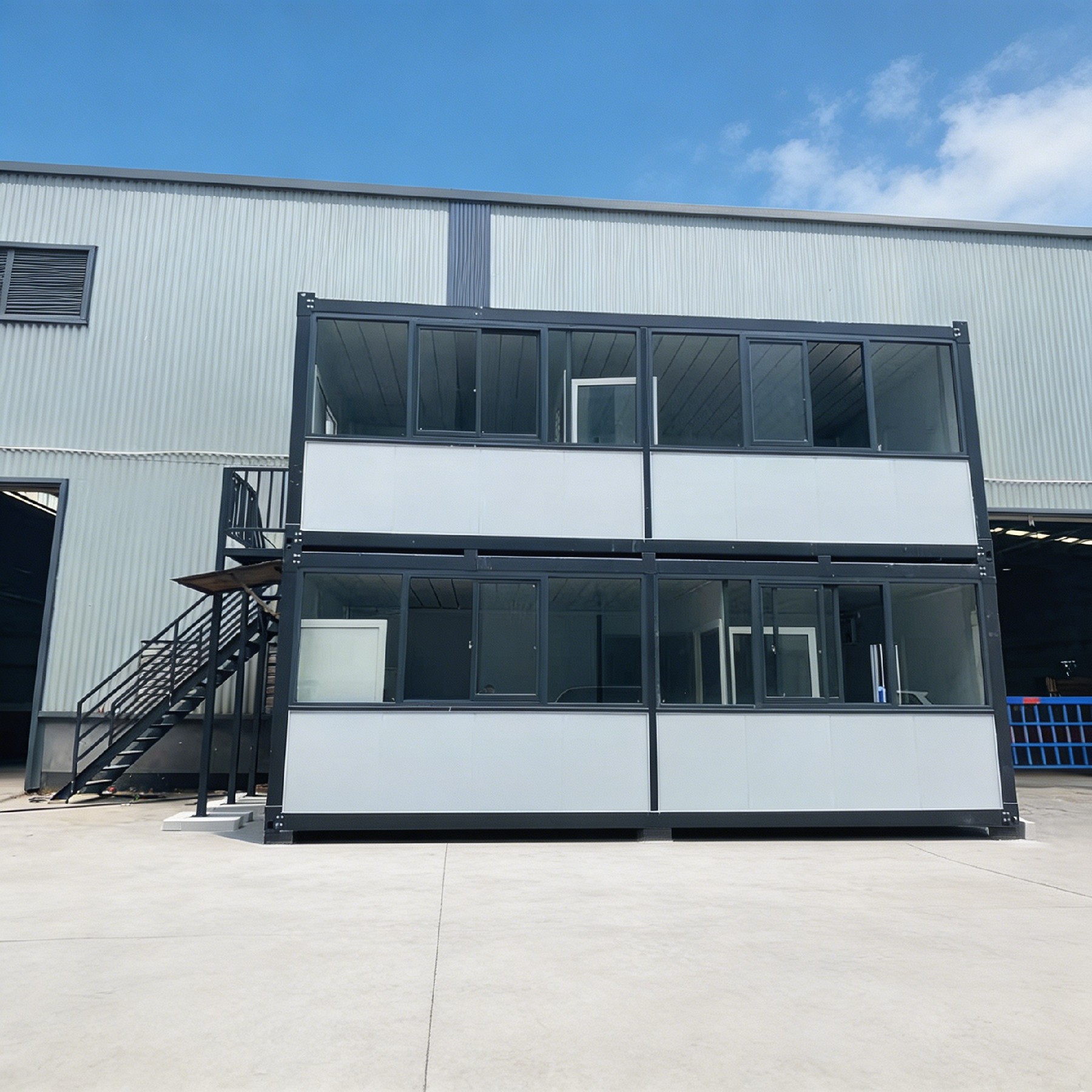
Speed and efficiency have become critical competitive advantages in commercial real estate development. Traditional construction methods often struggle to meet aggressive project timelines, face labor shortages, and encounter unexpected weather delays. A prefab building approach offers a fundamentally different path to faster project completion without sacrificing quality or structural integrity. This modern construction methodology has transformed how leading commercial developers approach fast-track projects, reducing on-site work while improving predictability and cost control.
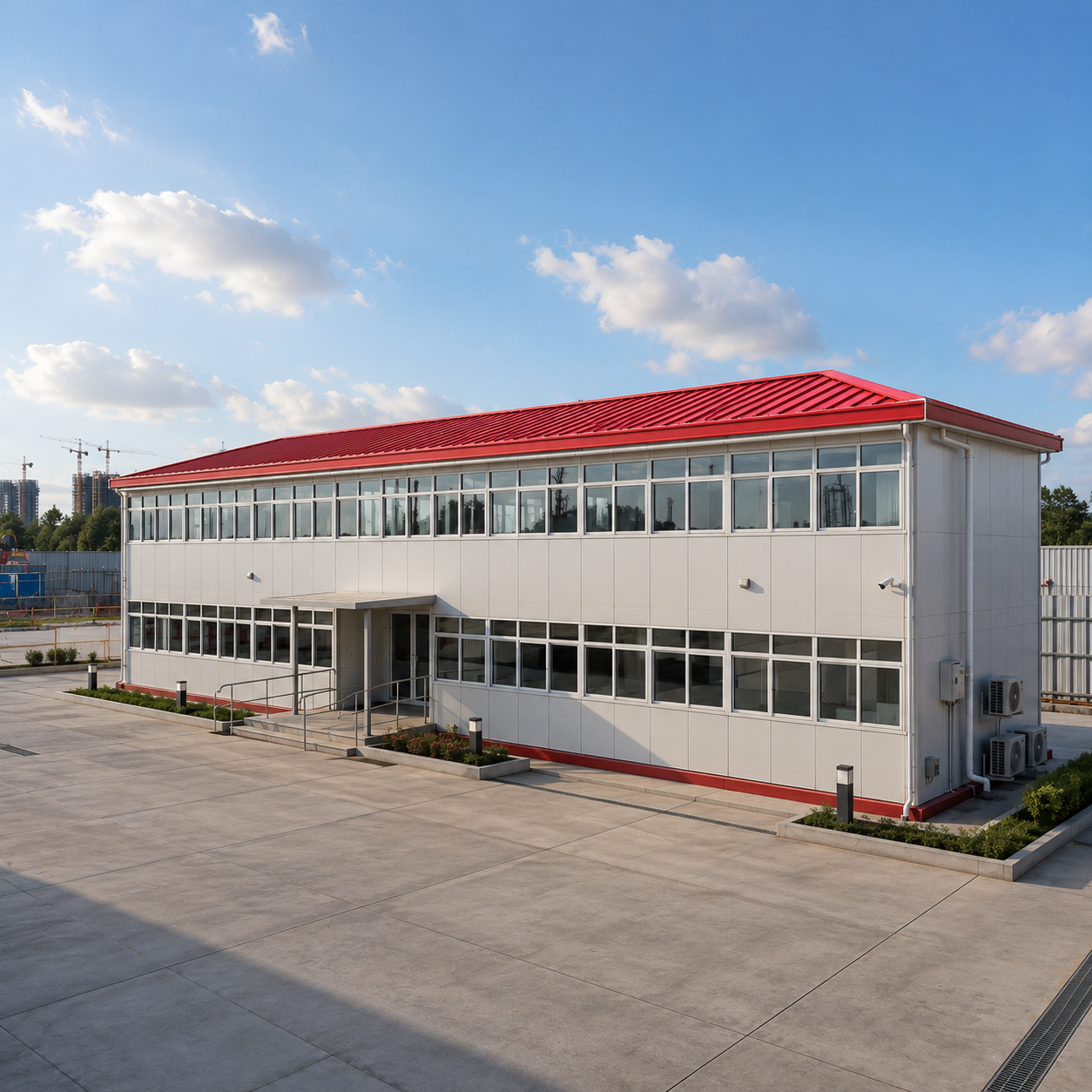
Choosing prefab building systems for commercial projects represents a strategic shift in construction philosophy. Rather than assembling materials on-site over months, prefab building manufacturing relocates controlled factory conditions to produce standardized modules that arrive ready for integration. This parallel-path approach allows site preparation and module production to occur simultaneously, compressing overall project schedules by 30 to 50 percent compared to conventional construction methods.
Accelerating Timeline Through Parallel Manufacturing
Factory-Based Production Efficiency
A primary advantage of prefab building lies in moving labor-intensive operations from weather-dependent job sites into controlled manufacturing environments. Prefab building facilities operate year-round with consistent conditions, specialized equipment, and skilled assembly teams who repeat identical processes across multiple modules. Weather no longer disrupts production schedules, and workers achieve higher productivity rates through repetitive assembly routines. This factory-based approach to prefab building eliminates weather delays, weekend shutdowns, and seasonal labor availability issues that plague traditional construction.
Simultaneous Site and Manufacturing Work
Conventional construction requires sequential phases: foundation work must complete before frame assembly, which must finish before interior installation. With prefab building methodology, site preparation and foundation work proceed while manufacturing of modules continues simultaneously at the factory. This parallel workflow compresses the critical path significantly. For commercial properties, prefab building timelines often allow interior finishing to begin on delivered modules while remaining modules manufacture and transport to the site, creating overlapping work phases impossible in traditional construction.
Cost Predictability and Waste Reduction
Fixed Budget Framework with Prefab Building
Commercial developers face budget pressure from uncertain construction variables including material price volatility, labor rate fluctuations, and change order requests. Prefab building contracts typically lock costs early because manufacturing pricing remains stable once the factory sets production rates. Material waste decreases dramatically in prefab building facilities compared to job-site cuts and adjustments. Factory planning optimizes material layouts for each module type, reducing scrap rates by 50 to 70 percent. These efficiency gains directly translate to lower overall project costs and improved budget predictability that appeals to commercial stakeholders and investors.
Reduced On-Site Labor Requirements
Prefab building dramatically reduces on-site labor demands, lowering both payroll and site management complexity. Modules arrive substantially complete, requiring primarily assembly and connections rather than full construction. This reduced on-site labor workforce shrinks logistical challenges, security requirements, and site superintendent overhead. For commercial projects in urban or congested locations, prefab building minimizes disruptive job-site activity, neighborhood impact, and associated complaints. The labor savings extend project completion dates while reducing total construction employment needs, directly benefiting project economics.
Quality Assurance and Consistency Standards
Controlled Manufacturing Environment
Prefab building production in factory settings enables rigorous quality control impossible on outdoor job sites. Every module manufactured using prefab building systems passes through standardized assembly stations with consistent specifications, material handling, and inspection protocols. Quality inspectors review each module before shipment, ensuring uniform construction standards across all units. Temperature and humidity control during prefab building manufacturing guarantee consistent material behavior and adhesive curing, eliminating weather-related quality variations that affect traditionally constructed commercial buildings. This consistency proves particularly valuable for large commercial projects requiring hundreds of identical modules.
Factory Testing and Documentation
Prefab building manufacturers conduct pre-shipment testing on electrical systems, plumbing, HVAC components, and structural integrity before modules leave the factory. This comprehensive testing under prefab building protocols catches defects before on-site assembly, preventing expensive rework and delays. Complete documentation accompanies each prefab building module, providing detailed records of materials, assembly dates, testing results, and warranty information. Commercial project managers receive exact specifications for every module, enabling precise coordination and installation without surprises. This documentation trail proves invaluable for warranty claims, future maintenance, and compliance verification.
Scalability for Expanding Commercial Needs
Modular Design Flexibility
Prefab building systems accommodate various commercial uses through standardized module types that combine into different configurations. A prefab building approach allows developers to scale projects upward or downward based on market demand without fundamental redesign. Office suites, retail units, hospitality spaces, and medical facilities all integrate modular prefab building solutions adapted to specific functional requirements. This design flexibility enables commercial developers to optimize space allocation, adjust tenant mixes, and respond quickly to changing market conditions—capabilities significantly more expensive to implement in traditionally constructed buildings.
Future Expansion Capability
Commercial properties frequently require future expansion as business operations grow. Prefab building methodology simplifies expansion by allowing additional modules to attach to existing structures using standardized connection systems. Unlike traditional construction where expansions often require structural compromises or architectural complexity, prefab building additions integrate seamlessly with original modules. This expansion capability proves economically attractive for commercial investors planning multi-phase development, as initial prefab building phases establish infrastructure supporting future additions without redesign.
FAQ
How much faster does prefab building complete compared to traditional construction?
Prefab building projects typically achieve 30 to 50 percent timeline acceleration through parallel manufacturing and on-site assembly. For a commercial project normally requiring 18 months of traditional construction, prefab building approaches often deliver in 12 to 14 months. The exact improvement depends on project complexity, module quantity, and site preparation coordination, but time savings consistently prove substantial enough to create competitive market advantages for commercial developers.
What commercial project types benefit most from prefab building solutions?
Prefab building works exceptionally well for standardized commercial uses including office buildings, modular retail spaces, hospitality accommodations, student housing, and medical facilities. Projects requiring repetitive module design and large quantities maximize prefab building advantages. While custom architectural features increase costs, prefab building remains viable for most commercial applications when design teams prioritize standardization and modular thinking from initial planning phases.
Are prefab building systems cost-effective for smaller commercial projects?
Prefab building cost advantages emerge more clearly on larger projects where manufacturing setup costs distribute across numerous modules. However, smaller commercial projects still benefit from timeline acceleration, waste reduction, and quality consistency. For projects sensitive to schedule delays or labor availability, prefab building justifies investment even at smaller scales. Economic analysis should compare total project cost including financing costs and revenue timing, not just construction labor expenses alone.