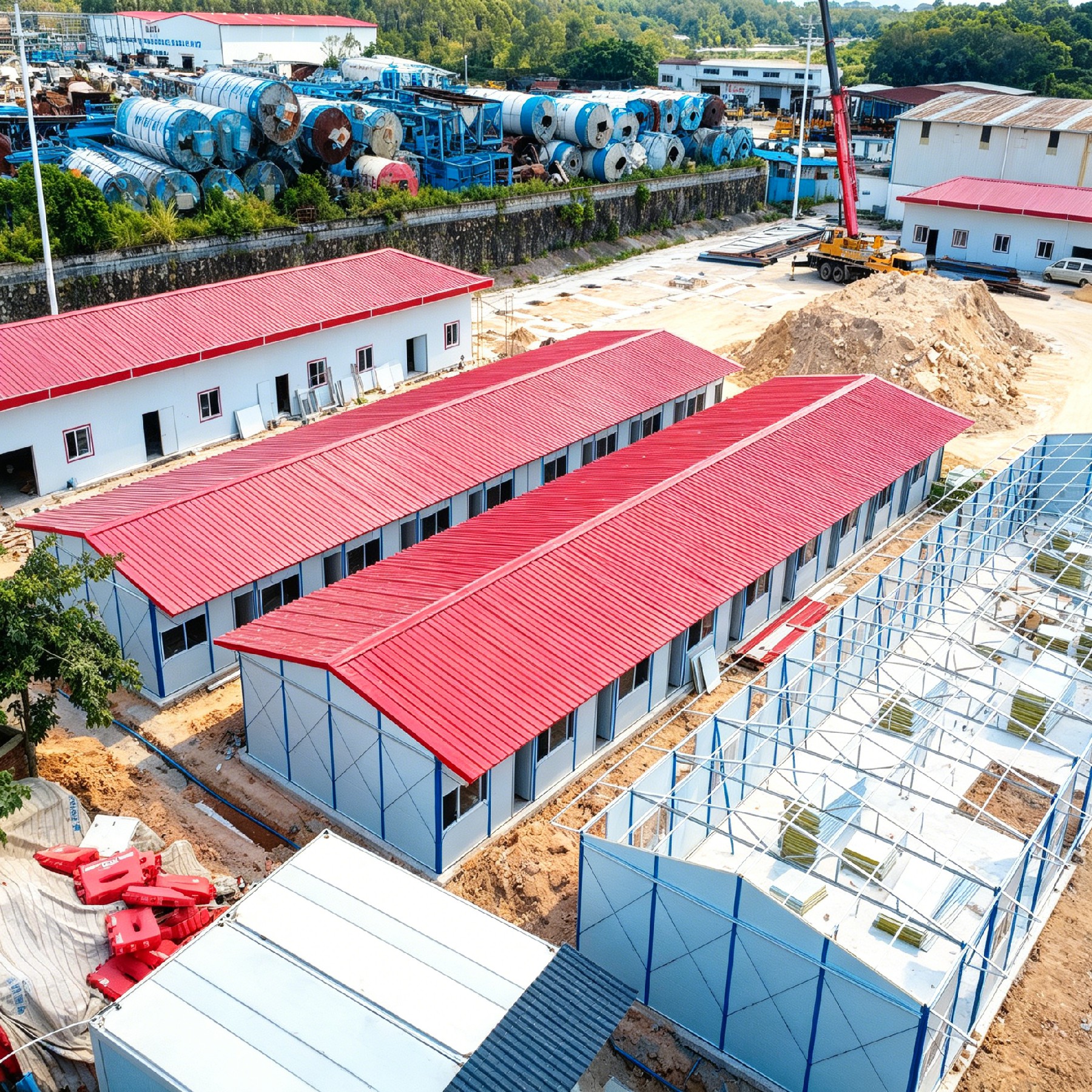
The housing crisis demands innovative solutions, and prefabricated house systems have emerged as a transformative answer to construction delays and escalating costs. Traditional on-site building methods consume months or years to complete a single structure, tying up capital and resources while market demands shift. A prefabricated house represents a fundamentally different approach: instead of assembling materials on-site under variable weather conditions and logistical constraints, manufacturers construct entire prefabricated house components in controlled factory environments. This paradigm shift reduces project timelines from months to weeks, dramatically improves quality consistency, and opens housing development to new levels of efficiency. Organizations and developers choosing prefabricated house solutions gain competitive advantages that extend far beyond simple speed, touching every aspect of project economics and risk management.
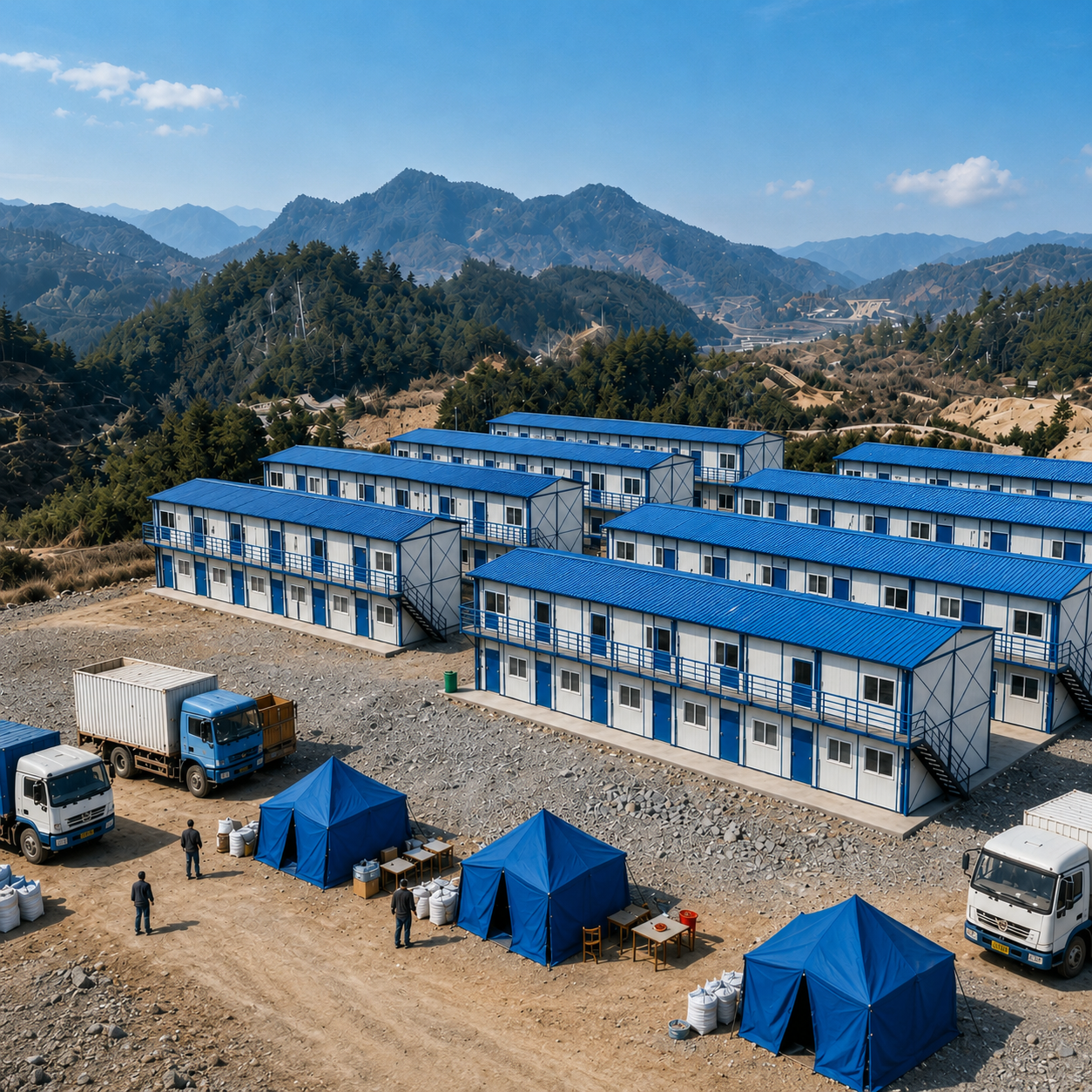
Understanding why prefabricated house adoption continues accelerating requires examining both immediate operational benefits and long-term strategic value. A prefabricated house is manufactured under strict factory controls where every component undergoes precision quality assurance before assembly. This systematic approach eliminates the unpredictability that plagues conventional construction, where weather delays, labor variability, and material waste accumulate silently. Developers who invest in prefabricated house technology position themselves to meet housing demand faster than competitors relying on traditional methods, capturing market share and maximizing return on development capital.
Construction Speed and Timeline Compression
Factory-Controlled Production Efficiency
A prefabricated house moves through manufacturing with machine-like precision that on-site crews cannot match. Each prefabricated house unit follows standardized production sequences where wall assemblies, electrical systems, plumbing, and finishing materials are installed in optimized order. Factory workers repeat the same prefabricated house assembly tasks hundreds of times, developing expertise and rhythm that dramatically reduces labor hours per unit. Simultaneously, a prefabricated house manufacturer purchases materials in massive volume, securing better pricing and ensuring consistent supply chains free from site-dependent delays. While a traditional construction team might require eighteen months to complete a fifty-unit residential project, the same prefabricated house manufacturer delivers comparable results in six months, freeing capital for additional developments.
Parallel Site and Manufacturing Operations
Strategic scheduling amplifies the advantages of prefabricated house systems. While prefabricated house components manufacture in the factory, site crews prepare foundations, utilities, and infrastructure in parallel. This overlap compresses overall project duration beyond what sequential construction allows. When the first prefabricated house modules arrive at the site, foundations are ready for immediate installation. Crews erect prefabricated house structures in days rather than weeks, then connect utilities and finalize interior work. This synchronized workflow transforms housing delivery from a bottleneck into a predictable, manageable process. Developers planning multiple projects benefit enormously because each prefabricated house manufacturing cycle frees capacity and resources for the next development without extended downtime.
Quality Assurance and Standardized Performance
Factory Precision Overcomes Site Variability
Environmental inconsistency undermines traditional construction quality. A prefabricated house manufactured indoors escapes weather exposure, reducing defects from moisture damage, temperature fluctuations, and material degradation. Each prefabricated house component rolls through climate-controlled assembly lines where humidity, temperature, and lighting remain optimal for precision work. Inspectors verify every prefabricated house assembly stage against detailed specifications before modules leave the factory. This rigorous factory environment produces prefabricated house units with defect rates substantially lower than site-built alternatives. Insurance underwriters recognize this quality advantage, often offering favorable premiums for prefabricated house projects. Homebuyers and commercial tenants benefit from reduced callbacks, lower maintenance costs, and superior long-term value when choosing prefabricated house properties.
Regulatory Compliance and Documentation
Prefabricated house manufacturers maintain comprehensive documentation systems proving every unit meets or exceeds building codes and safety standards. Each prefabricated house undergoes systematic testing for structural integrity, electrical safety, fire resistance, and thermal performance before delivery. This documentation creates transparent accountability and simplifies permitting processes because inspectors review prefabricated house certifications rather than demanding extensive site inspections. Municipalities increasingly recognize prefabricated house systems as reliable alternatives to traditional construction, streamlining approval pathways. Developers gain predictability in regulatory timelines, reducing uncertainty that typically extends project schedules. A prefabricated house purchaser receives thorough performance guarantees and compliance verification, providing confidence that their investment meets all applicable standards.
Economic Advantages and Cost Optimization
Material Efficiency and Waste Reduction
Factory production of a prefabricated house generates dramatically less material waste than site construction. Prefabricated house manufacturers plan cutting patterns precisely, minimizing lumber scrap. Electrical and plumbing systems install with engineered layouts that eliminate guesswork and rework. Drywall and finishing materials cut to exact specifications on factory equipment, preventing the excessive trimming that wastes expensive materials on-site. Aggregate waste reduction translates directly to lower material costs per prefabricated house unit, improving profit margins or enabling competitive pricing. Environmental responsibility also strengthens as a prefabricated house manufacturer diverts recycling streams and recovers salvageable materials efficiently. Progressive developers choosing prefabricated house technology demonstrate environmental commitment while improving economics.
Labor Cost Management and Productivity
A prefabricated house requires fewer total labor hours because factory workers complete tasks in optimized sequences without site-based inefficiencies. Weather delays, tool repositioning, and coordination complexity vanish in controlled factory environments. Specialized prefabricated house assembly teams develop expertise faster, requiring less supervision and rework compared to traditional crews juggling multiple tasks. Seasonal labor availability issues disappear because prefabricated house manufacturing continues year-round, unaffected by winter shutdowns. Developers gain predictable labor costs because prefabricated house production volumes justify permanent skilled workforce investment. The resulting efficiency advantage compounds across multiple projects, creating substantial cumulative savings that traditional construction cannot achieve. Developers focusing on prefabricated house development often experience labor cost reductions of 20–35% compared to conventional methods.
FAQ
How does a prefabricated house reduce transportation and assembly risks?
A prefabricated house arrives at the site as engineered modules with integrated structural integrity, meaning individual components withstand transport stress without damage. Professional logistics providers handle prefabricated house shipment using specialized equipment, protecting modules throughout the journey. Site assembly crews follow detailed prefabricated house installation manuals with clear sequencing, reducing assembly errors. Connection points between prefabricated house modules align precisely because factory manufacturing ensures dimensional accuracy. Insurance coverage specifically addresses prefabricated house transport and assembly, protecting against unusual incidents. This systematic approach transforms prefabricated house delivery from a risky proposition into a controlled, predictable process with documented success records.
What building types benefit most from prefabricated house technology?
Prefabricated house systems excel in residential developments where standardization maximizes efficiency. Multi-family housing projects, workforce housing initiatives, and rapid response housing solutions all achieve significant benefits through prefabricated house manufacturing. Commercial properties, hospitality buildings, and modular office spaces increasingly adopt prefabricated house principles. Emergency housing after disasters becomes feasible through prefabricated house deployment. Remote locations and geographically constrained sites benefit because a prefabricated house overcomes local labor shortages and difficult site access. Any project prioritizing speed, consistency, and cost control represents an ideal candidate for prefabricated house solutions.
Can prefabricated house systems accommodate custom designs and architectural variation?
Modern prefabricated house manufacturing supports extensive customization within modular frameworks. Manufacturers offer multiple floor plans, exterior finishes, interior configurations, and architectural styles that prefabricated house buyers can combine to create distinct properties. Prefabricated house systems enable efficient customization because core structural modules remain consistent while aesthetic and functional elements vary. Digital design tools allow developers to visualize prefabricated house configurations before production. Architect-designed prefabricated house projects demonstrate that customization and manufacturing efficiency coexist successfully. Developers gain design flexibility without sacrificing the cost and schedule advantages that make prefabricated house technology valuable.