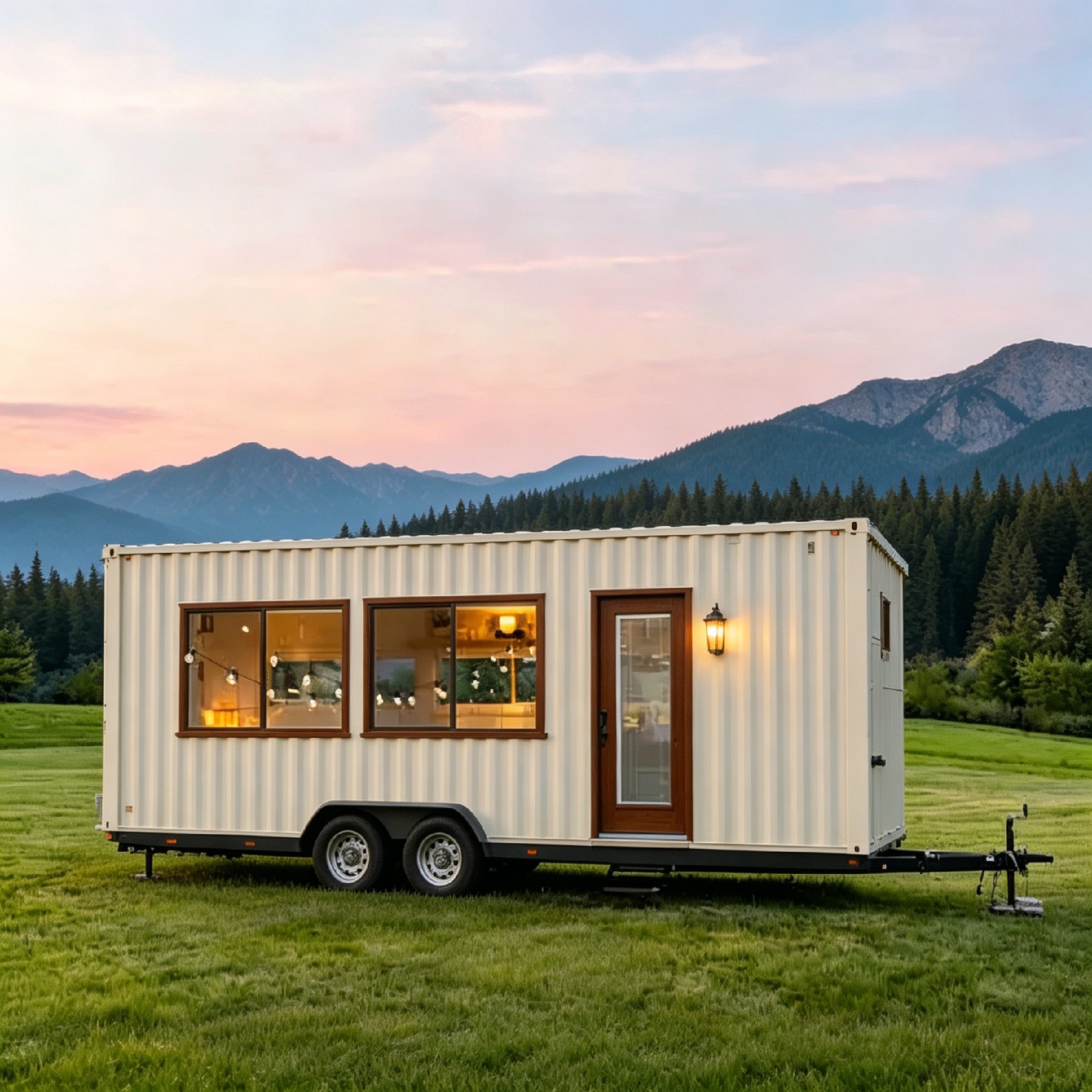
When planning an eco-resort project, the choice of accommodation structure can make or break your vision. A container house has emerged as one of the most compelling solutions for environmentally conscious hospitality developers. Unlike traditional construction methods, a container house offers a unique combination of sustainability, affordability, and aesthetic flexibility that aligns perfectly with modern eco-resort expectations. This approach transforms industrial shipping containers into luxurious, fully functional guest accommodations while maintaining a significantly smaller environmental footprint than conventional building practices.
The eco-resort market has shifted dramatically toward solutions that prove sustainable without compromising guest experience. A container house meets this demand by repurposing industrial materials, reducing waste streams, and enabling rapid deployment compared to traditional construction timelines. Project developers recognize that choosing a container house for an eco-resort setting demonstrates authentic environmental commitment while delivering practical advantages in cost control, design innovation, and operational efficiency. This strategic alignment between sustainability goals and business performance is why forward-thinking resort operators increasingly select a container house as their preferred development model.
Sustainability and Environmental Benefits of Container House Design
Repurposing Industrial Materials and Reducing Construction Waste
A container house fundamentally redefines waste by transforming decommissioned shipping containers into premium accommodation spaces. Rather than allowing these steel structures to languish in ports or scrapyards, a container house diverts valuable materials from landfills and provides them with productive second lives. This material recovery approach reduces the demand for new steel production, which is energy-intensive and carbon-heavy. When you invest in a container house for your eco-resort, you actively participate in the circular economy, demonstrating environmental stewardship to increasingly conscious travelers.
The construction of a container house generates minimal waste compared to traditional building methods. Standard resort construction produces significant debris from site preparation, framing, and material cutoffs. A container house, by contrast, arrives at your site as a weathertight shell, reducing on-site waste generation and disposal costs. The structural integrity of a container house remains intact from manufacturing, eliminating the need for extensive site-based construction waste management. This efficiency translates to cleaner job sites and faster project completion, allowing your eco-resort to open sooner while maintaining environmental credibility.
Energy Efficiency and Low-Carbon Construction Methods
A container house embodies low-carbon construction principles from conception through completion. The manufacturing process for a container house requires less energy than pouring concrete foundations, erecting framing systems, and completing traditional construction sequences. Transportation of a container house to your site consolidates multiple trips into efficient container movements, minimizing fuel consumption. Once assembled on your eco-resort property, a container house can be optimized with insulation, renewable energy systems, and efficient HVAC solutions that reduce operational carbon emissions throughout its lifespan.
The structural design of a container house accommodates passive heating and cooling strategies that lower energy demand. Architects experienced in container house development integrate thermal mass, cross-ventilation, and strategic window placement to maintain comfortable interior temperatures naturally. When your eco-resort features multiple container house units, the collective energy savings compound across the entire property. Guest accommodations built within a container house framework consume 30-40% less energy than conventional resort rooms, directly supporting your environmental performance metrics and operational cost reduction.
Economic Advantages and Construction Timeline Benefits
Reduced Capital Investment and Predictable Budgeting
Choosing a container house for your eco-resort project delivers substantial cost advantages that extend from initial capital expenditure through ongoing operations. A container house requires significantly less site preparation and foundation work than conventional construction, reducing labor costs and timeline delays. The modular nature of a container house means pricing is more transparent and less subject to material cost volatility. Developers can accurately forecast project expenses because a container house unit arrives with defined specifications and integrated systems, eliminating the uncertainty of traditional multi-phase construction budgeting.
A container house typically costs 20-30% less per room than comparable traditional resort accommodations when accounting for total project delivery time and financing costs. This financial advantage allows eco-resort developers to allocate resources toward premium amenities, landscaping, and guest experience enhancements that differentiate their property. When you opt for a container house development model, you retain capital flexibility to invest in renewable energy infrastructure, water reclamation systems, and other sustainability features that strengthen your eco-resort's market positioning and guest appeal.
Accelerated Project Delivery and Seasonal Revenue Optimization
Time-to-market is a critical competitive factor in resort development, and a container house compressed construction schedules significantly. Unlike traditional building methods requiring sequential phases over 18-24 months, a container house can be manufactured in parallel with site preparation, reducing overall project duration to 8-12 months. This accelerated timeline means your eco-resort can open sooner, capturing early-season revenue and establishing market presence before competitors complete longer-duration projects. The faster deployment of a container house directly increases return-on-investment velocity and improves project financial performance.
Phased deployment is another scheduling advantage unique to a container house approach. Developers can construct initial accommodation units, open the resort for early revenue generation, and add capacity incrementally based on demand feedback. This flexible expansion model minimizes financial risk compared to traditional all-or-nothing construction commitments. A container house enables you to test market response, refine guest experience, and scale operations systematically while maintaining consistent quality and environmental standards across all phases of development.
Design Flexibility and Aesthetic Integration in Eco-Resort Settings
Customization Potential and Architectural Innovation
The inherent modularity of a container house provides exceptional design flexibility that transcends typical accommodation development constraints. Each container house unit can be configured independently, allowing architects to create diverse room types—from standard guest accommodations to premium suites and specialized wellness facilities. Interior spaces within a container house can feature open floor plans, mezzanine levels, and integrated outdoor decks that maximize guest experience within compact footprints. The industrial aesthetic of a container house, when thoughtfully designed, creates authentic contemporary character that resonates with eco-conscious travelers seeking genuine sustainability rather than greenwashed conventionality.
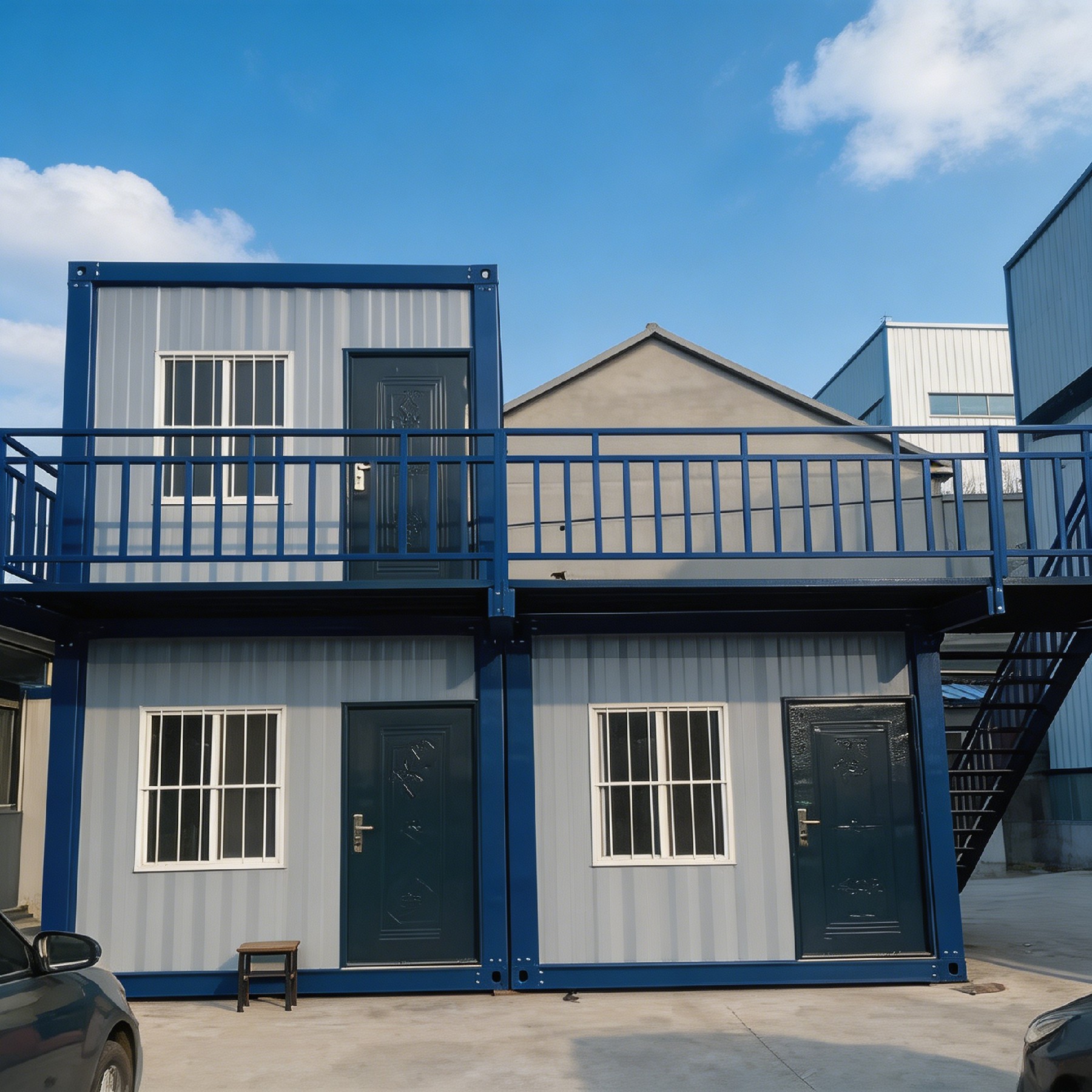
Stacking capabilities of a container house enable vertical development that reduces land consumption while maximizing accommodation density. Two or three-story container house configurations utilize vertical space efficiently, allowing resorts to preserve larger landscape areas for gardens, recreation, and ecological conservation zones. Architects combine container house units in creative configurations—creating courtyards, clustering arrangements, and sight-line compositions that enhance aesthetic appeal. The transparent authenticity of a container house construction method appeals to environmentally sophisticated guests who appreciate honest sustainable design over disguised conventional architecture.
Integration with Landscape and Environmental Site Planning
A container house integrates seamlessly into thoughtful landscape design that prioritizes ecological preservation and guest immersion in natural surroundings. Because a container house requires minimal site disturbance compared to traditional construction, existing vegetation and topography can be preserved and incorporated into the overall resort experience. Elevated container house configurations minimize ground-level impact on native plants and soil systems, protecting sensitive ecosystems during and after construction. Your eco-resort can feature a container house that sits lightly on the landscape, allowing groundwater flow, wildlife passage, and natural succession to continue in surrounding areas.
Flexible siting of individual container house units enables resort planners to work around natural features—preserving specimen trees, protecting water features, and maintaining sightlines to valued landscape views. Restaurants, reception areas, and common spaces can be strategically positioned as container house structures that support ecological guest education and immersive nature experiences. The modular container house framework supports phased landscape restoration and environmental enhancement as resort operations generate resources for increased conservation efforts. This integration approach positions your container house eco-resort as a genuine partner in land stewardship rather than merely a development extracted from the landscape.
FAQ
What makes a container house more sustainable than traditional resort construction?
A container house repurposes decommissioned shipping containers that would otherwise be discarded, diverting industrial waste from landfills and reducing demand for virgin steel production. The manufacturing of a container house unit occurs off-site with minimal construction waste, and on-site assembly eliminates debris generation typical of traditional building methods. Additionally, a container house can be optimized for energy efficiency through superior insulation, passive ventilation design, and integration with renewable energy systems, reducing operational carbon emissions significantly throughout the accommodation's lifespan.
How long does it take to build an eco-resort using a container house model?
A container house construction timeline typically ranges from 8-12 months for initial accommodations, compared to 18-24 months for traditional resort development. Parallel manufacturing and site preparation compress the schedule, while modular assembly accelerates on-site construction dramatically. Phased deployment of additional container house units allows incremental expansion, enabling revenue generation during ongoing development. This accelerated timeline significantly improves project financial performance and market responsiveness compared to conventional long-duration construction approaches.
Can a container house provide the luxury guest experience expected at premium eco-resorts?
Absolutely. A container house, when designed by experienced architects, delivers sophisticated interior environments exceeding guest expectations for luxury accommodations. Premium furnishings, integrated technology, spa-quality bathrooms, and curated amenities create five-star guest experiences within container house spaces. The industrial aesthetic, viewed authentically, appeals to discerning travelers seeking genuine sustainability credentials. Combining a container house with exceptional service, culinary programs, and wellness offerings creates a compelling premium eco-resort proposition that justifies higher room rates and generates strong repeat visitation and referral patterns.