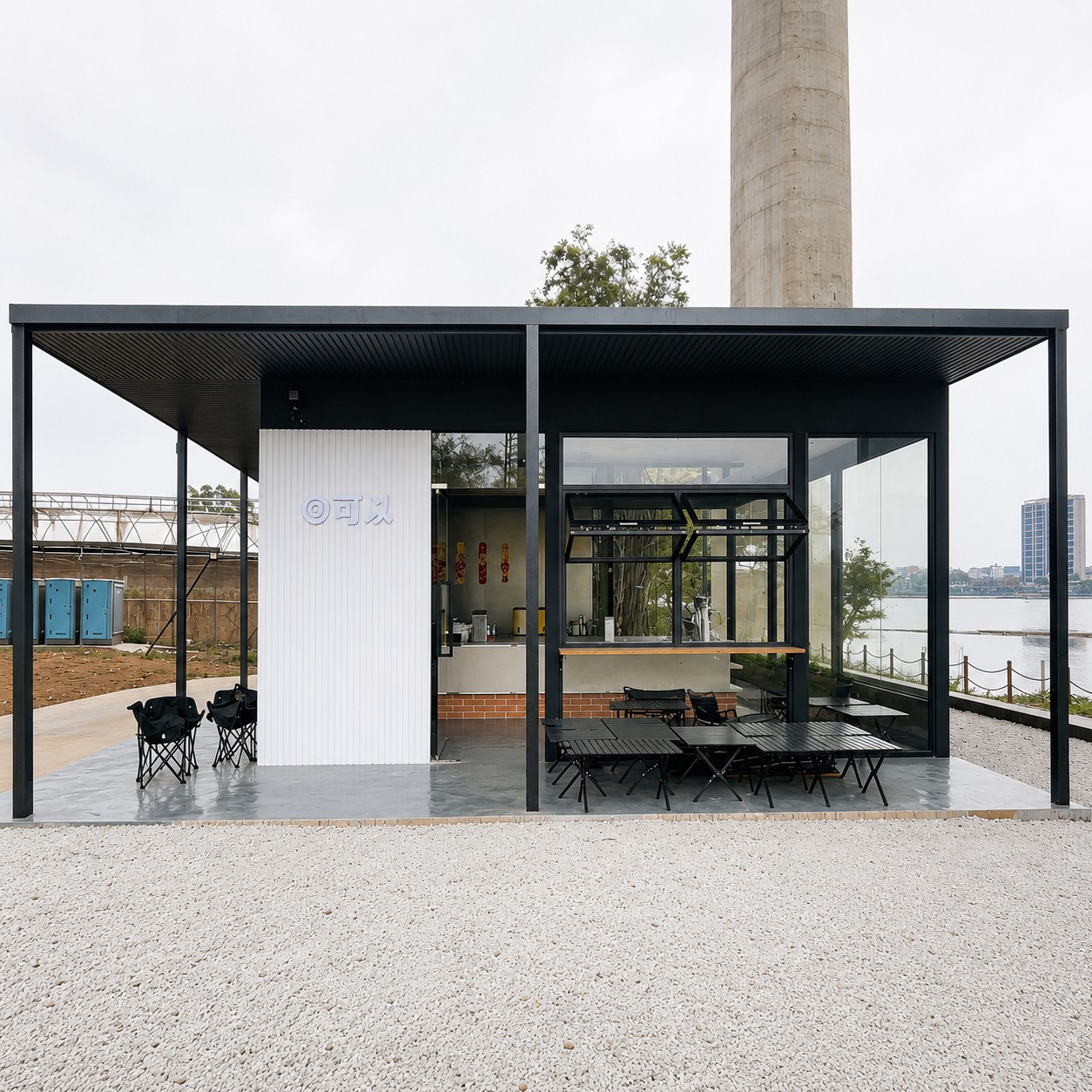
The global housing crisis continues to intensify, with traditional construction methods proving insufficient to meet demand while straining budgets and environmental resources. A container house village presents a compelling alternative that addresses these challenges through innovation, sustainability, and financial pragmatism. These communities leverage repurposed shipping containers transformed into habitable spaces, offering a scalable solution that resonates with developers, municipalities, and forward-thinking investors seeking to create affordable, sustainable residential neighborhoods. Understanding why a container house village makes strategic sense requires examining economic efficiency, environmental impact, construction speed, and long-term community value.
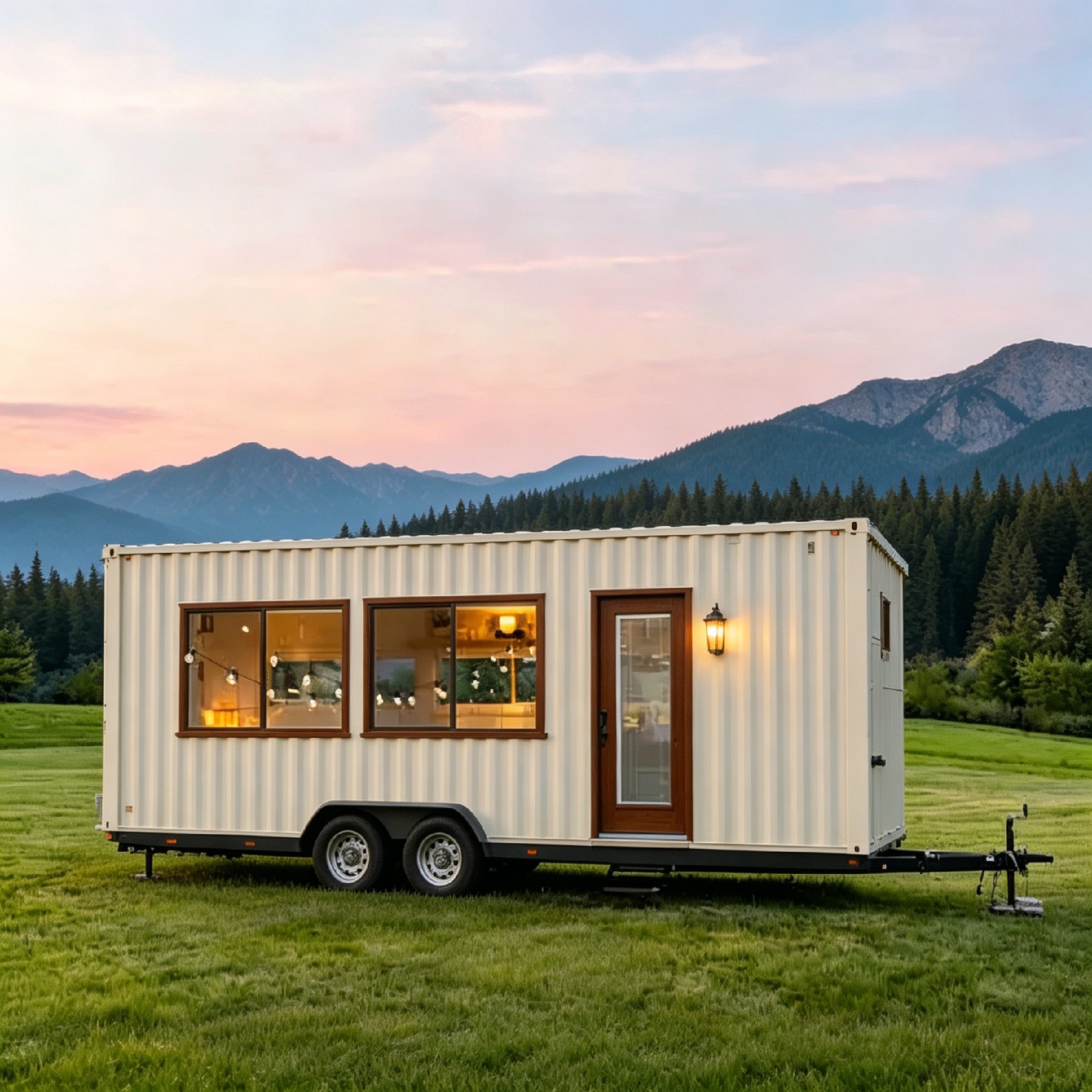
A container house village represents more than a trendy architectural experiment; it embodies a practical response to fundamental housing market failures. Developers and institutional investors recognize that container house communities deliver measurable returns on investment while simultaneously addressing social and environmental imperatives. The convergence of cost reduction, accelerated project timelines, environmental stewardship, and market demand creates a powerful investment case that traditional residential development cannot match. This article explores the multifaceted reasons why a container house village deserves serious consideration in your development strategy.
Economic Efficiency and Investment Returns
Dramatically Reduced Construction Costs
A container house village reduces per-unit construction expenses by 20 to 40 percent compared to conventional residential projects. Containers arrive pre-engineered with structural integrity already established, eliminating substantial labor costs associated with traditional framing, foundation work, and weather-dependent construction phases. The standardized dimensions of shipping containers enable predictable material sourcing, bulk purchasing advantages, and streamlined logistics. When developers aggregate multiple container house units into a coordinated village layout, economies of scale multiply, reducing overhead allocation per unit and accelerating cash flow timelines that financial institutions increasingly reward.
Faster Project Delivery and Revenue Generation
A container house village can progress from site preparation to occupancy in 12 to 18 months, whereas conventional residential projects typically require 24 to 36 months or longer. This acceleration stems from parallel manufacturing of container house modules while site preparation occurs simultaneously, combined with simplified foundation requirements and plug-and-play utility infrastructure. Earlier revenue generation improves cash flow profiles, reduces carrying costs, and enables faster capital recovery for reinvestment into subsequent phases. Lenders and equity partners increasingly prioritize container house initiatives precisely because shortened development timelines reduce market risk exposure and enhance internal rates of return.
Environmental Sustainability and Market Alignment
Circular Economy and Material Reuse
A container house village transforms decommissioned shipping containers—approximately 30 million worldwide annually—from waste streams into productive housing assets. This material reuse exemplifies circular economy principles that resonate with ESG-conscious investors, municipal sustainability mandates, and environmentally motivated residents. The embodied carbon footprint of a repurposed container house remains substantially lower than new construction materials, as the container's manufacturing emissions occurred during original production decades earlier. Beyond the container itself, modular container house construction minimizes on-site waste, reduces transportation emissions through bulk logistics efficiency, and enables pre-fabrication in controlled factory environments that optimize material utilization and reduce inefficient site management practices.
Energy Efficiency and Long-Term Operational Sustainability
Modern container house design incorporates advanced insulation, passive heating and cooling strategies, and integrated renewable energy systems that achieve net-zero or net-positive energy performance. A well-designed container house village reduces residential energy consumption by 30 to 50 percent compared to conventional housing stock, translating into lower utility costs for residents and reduced grid demand pressure. These energy efficiency advantages compound over decades, generating cumulative operational cost savings that enhance property values and tenant retention. For municipalities seeking to meet carbon reduction targets, a container house village represents a demonstrable, quantifiable pathway to residential decarbonization that simultaneously serves affordability objectives.
Housing Affordability and Community Social Value
Accessible Housing for Underserved Demographics
A container house village directly addresses housing affordability crises by offering 30 to 50 percent lower purchase prices or rental rates compared to conventional residential units in equivalent markets. This price advantage enables first-time homebuyers, essential workers, young professionals, and moderate-income families to access quality housing in previously unaffordable markets. The wealth-building opportunity embedded in container house ownership—particularly for historically excluded demographic groups—creates measurable community stabilization benefits that extend beyond individual households to neighborhood economic vitality. Municipalities increasingly recognize that container house villages represent strategic tools for workforce retention, community resilience, and equitable economic development.
Flexible Community Design and Adaptive Reuse Potential
A container house village enables adaptive design flexibility that traditional residential layouts cannot match. Containers can be stacked, arranged in varied configurations, and retrofitted to accommodate diverse community needs including mixed-income housing, temporary accommodations, emergency shelters, or specialized housing for specific populations. This modularity means a container house installation can evolve as community needs change, containers can be relocated or reconfigured without total demolition, and villages can scale incrementally based on demonstrated demand rather than requiring massive upfront buildout commitments. Such flexibility reduces financial risk while maximizing the adaptive capacity of residential investments to serve changing demographic and economic conditions.
Market Demand and Emerging Investor Recognition
Growing Institutional Investment and Policy Support
Institutional investors, impact funds, and development finance institutions increasingly direct capital toward container house initiatives that combine financial returns with measurable social and environmental outcomes. container house villages now receive favorable policy treatment through tax incentives, accelerated permitting pathways, density bonuses, and direct subsidies in forward-thinking jurisdictions worldwide. This institutional validation and policy convergence signal that the container house market has transcended experimental status and achieved mainstream viability, making early-mover investment positions increasingly strategic. Developers and investors who establish expertise and operational track records in container house village delivery position themselves advantageously as regulatory frameworks evolve and capital flows accelerate toward this emerging residential asset class.
Brand Differentiation and Market Positioning
Developers who pioneer container house village projects achieve distinctive market positioning, media attention, and competitive differentiation that translates into marketing advantages and premium valuations. A container house village narrative resonates powerfully with contemporary consumer values around sustainability, innovation, and affordable luxury, generating organic marketing momentum and resident interest that traditional developments struggle to achieve. Early investors in container house expertise and operational systems establish competitive moats that become more defensible as the market matures and replicators enter the space.
FAQ
What is the typical cost per unit for a container house in a village development?
Per-unit costs for a container house typically range from $25,000 to $60,000 depending on size, finishes, location, and site preparation requirements. Village-scale projects generally achieve the lower end of this range through bulk material procurement, standardized design, and infrastructure sharing across multiple units. These costs represent 30 to 50 percent savings compared to conventional construction, making container house developments highly competitive in cost-sensitive markets.
How long does it take to construct a container house village?
A container house village typically requires 12 to 18 months from site preparation to occupancy readiness, compared to 24 to 36 months for equivalent conventional residential projects. The container house manufacturing process occurs parallel to site work, substantially accelerating overall timelines. Larger projects may extend slightly longer, but the acceleration advantage over traditional construction remains substantial regardless of village scale.
Are container house villages permanent housing solutions?
Yes, a container house village can provide permanent, durable housing when properly engineered and maintained. Properly treated shipping containers have 40-year or longer structural lifespans, with architectural and mechanical systems typically matching or exceeding traditional construction durability. A container house village designed and maintained to standard building codes provides permanent housing comparable to conventional residential developments while delivering the additional benefits of sustainability, affordability, and rapid deployment.