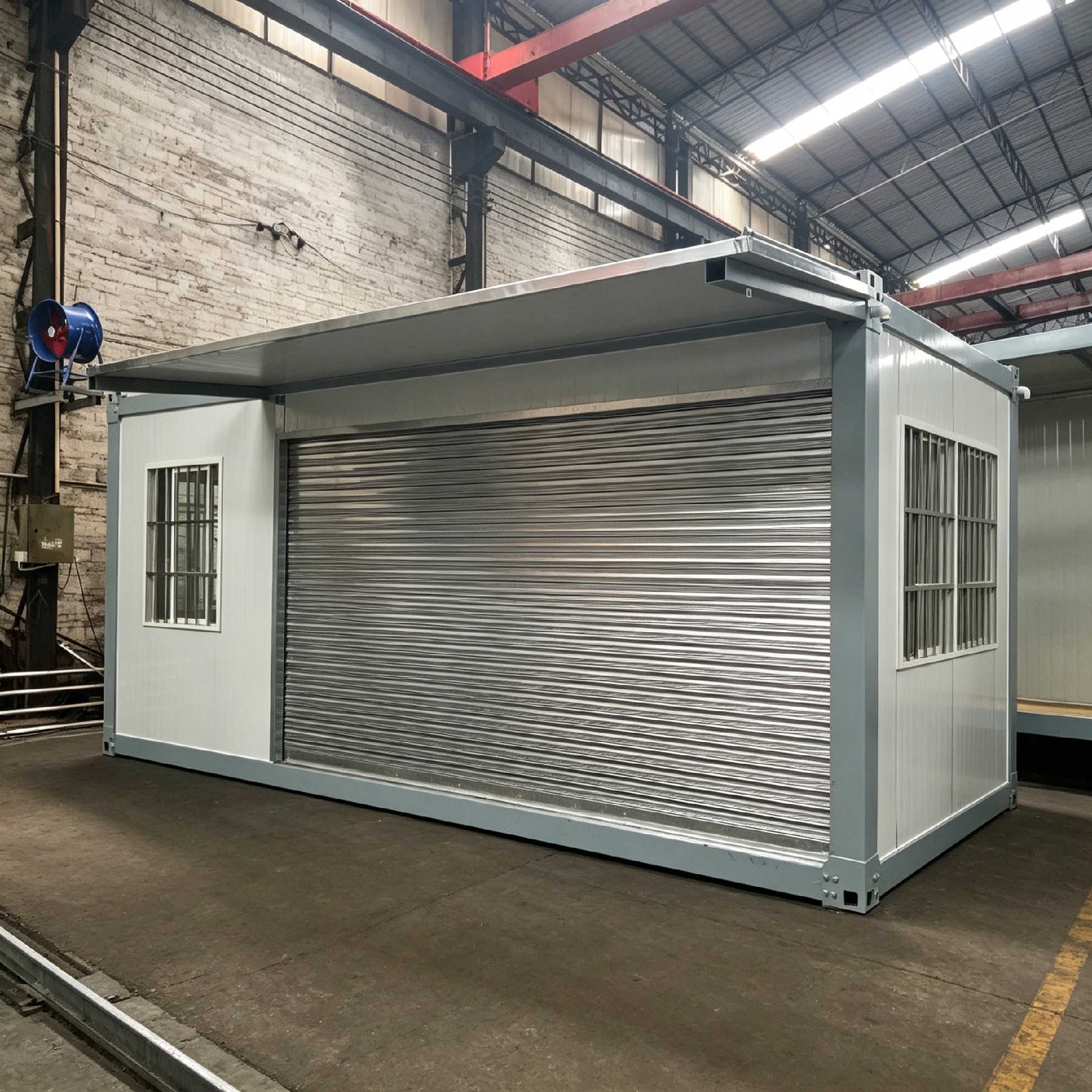
Construction waste represents one of the most significant environmental and financial challenges in the building industry. Traditional on-site construction generates substantial material waste through inefficient cutting, handling, weather exposure, and rework. Prefab building addresses this fundamental problem by shifting production from the chaotic jobsite to a controlled factory environment where precision, planning, and resource optimization become standard practice. Understanding how prefab building minimizes waste reveals why this approach is transforming construction economics and sustainability across residential, commercial, and industrial sectors.
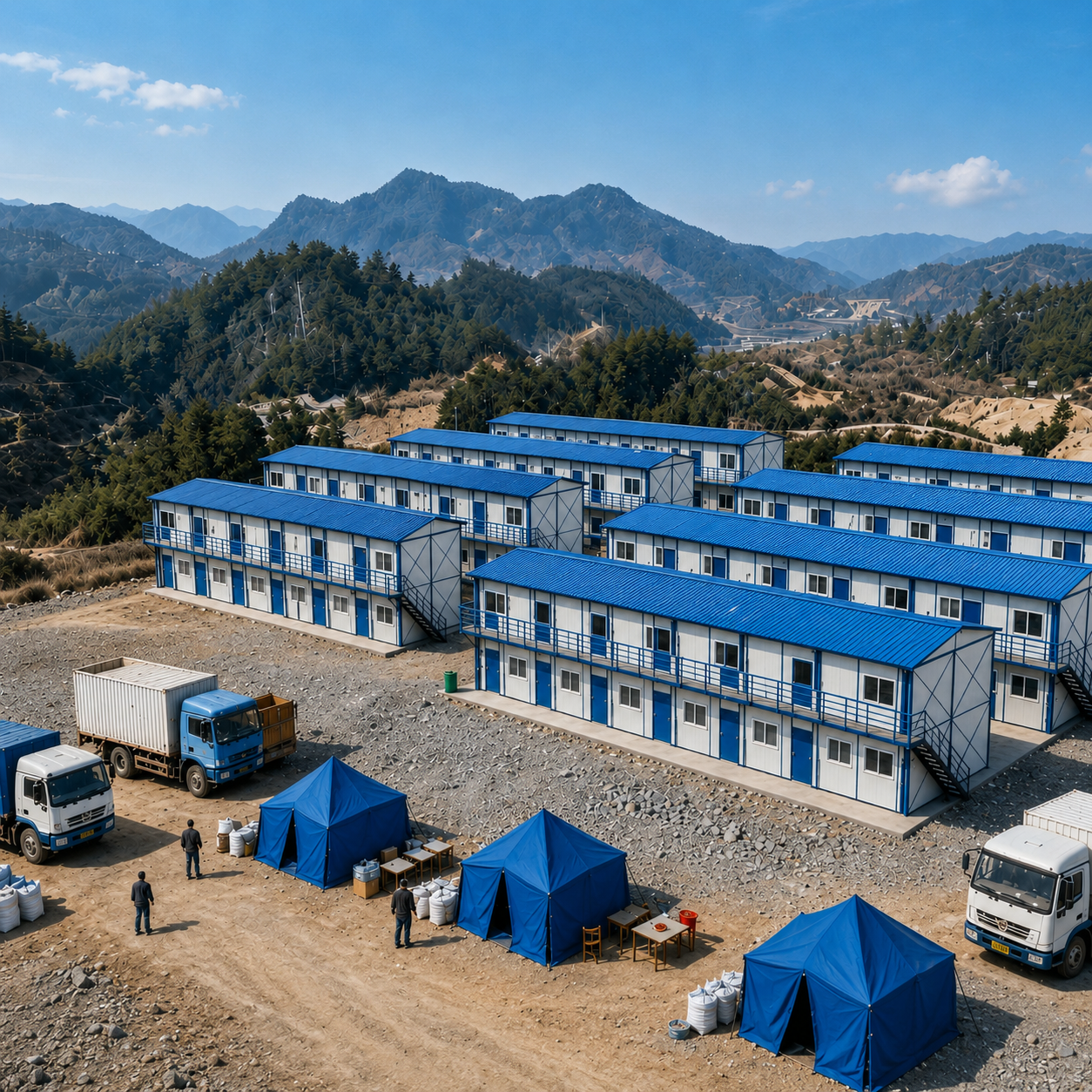
The waste reduction capabilities of prefab building extend far beyond simply moving construction indoors. Factory-based production creates systemic efficiencies that eliminate waste at every production stage, from material procurement through component assembly and site delivery. When developers and builders adopt prefab building methodologies, they gain measurable reductions in material scrap, labor inefficiency, and environmental impact while simultaneously improving project timelines and cost predictability.
Precision Manufacturing Eliminates Material Scrap
Factory Control Over Material Cutting and Assembly
In conventional on-site construction, workers cut materials to specification in variable weather conditions, often with limited measurement precision and inadequate tool setup. Prefab building transfers this process to automated factory environments where computer numerically controlled (CNC) cutting systems and precision measurement tools ensure every component meets exact specifications the first time. The margin for error shrinks dramatically, reducing waste from oversized cuts, measurement mistakes, and material rejections.
When prefab building components are manufactured in batches, the factory can optimize material layouts to nest pieces efficiently, minimizing offcuts and scrap. A wall panel produced through prefab building techniques uses approximately 5 to 15 percent less material than the equivalent on-site construction method because frame members, sheathing, and insulation are cut to precise dimensions with minimal waste. This precision-first approach means prefab building operations recover and recycle offcuts at rates exceeding 95 percent, whereas traditional construction typically recycles only 20 to 40 percent of site waste.
Quality Control Reduces Rework and Material Loss
Rework represents hidden waste that many construction managers overlook. When framing, electrical, or mechanical systems require correction or reinstallation due to initial errors, material and labor waste multiply. Prefab building quality control processes catch defects before components leave the factory, ensuring only verified components reach the construction site. This single factor reduces on-site rework by 30 to 50 percent compared to traditional methods, protecting material investments and preventing waste from failed installations.
The systematic inspection protocols embedded in prefab building production also ensure that components arrive complete and correct. When a wall panel or roof truss produced through prefab building reaches the site, workers install it without modification, eliminating waste from site-based corrections, material disposal, and labor hours spent fixing poor-quality work.
Optimized Logistics Minimizes Damage and Loss
Efficient Packaging and Transportation
Material damage during transport and site storage accounts for significant waste in traditional construction. Loose materials exposed to weather, mishandled during unloading, or stored improperly often become unusable. Prefab building components arrive in engineered packaging designed for protection and stackability, reducing weather exposure and handling damage by up to 80 percent. When a prefab building component is delivered, it is already weather-sealed and protected, requiring only secure placement until installation rather than extended on-site storage in variable conditions.
The logistics advantage of prefab building extends to inventory management. Because prefab building production follows precise project schedules, components arrive just-in-time, eliminating the need for oversized material stockpiles on congested job sites. This synchronized delivery model prevents the waste that results from over-ordering, expired materials, weathering, and theft on active construction sites.
Reduced Site Congestion and Labor Efficiency
Crowded construction sites create waste through inefficient material handling, double-handling of components, and worker frustration. Prefab building delivery consists of larger, pre-assembled components requiring fewer total deliveries and smaller staging areas. With less material volume on site at any given time, workers can locate and deploy components more efficiently, reducing labor time spent moving, sorting, and searching for materials. This operational efficiency translates directly into reduced material waste from damage and misplacement.
When workers operate in a less congested environment, they also make fewer errors during installation, reducing the rework cycles that generate secondary waste. The streamlined workflow enabled by prefab building means each crew member spends proportionally more time performing productive installation work and proportionally less time managing material chaos on congested sites.
Resource Planning and Material Coordination
Demand-Driven Production Aligns Supply with Actual Need
Prefab building production relies on detailed bill-of-materials generated from architectural drawings and specifications. This upfront material planning ensures that factories order and cut only the exact quantities required for each project, eliminating the material over-ordering that generates waste in traditional construction. When a project requires 100 wall panels through prefab building manufacturing, the factory purchases and processes materials for exactly 100 units plus a small quality buffer, not the 15 to 20 percent surplus typically ordered for on-site construction contingencies.
The accuracy of prefab building material coordination also prevents the waste that results from specification changes and field modifications. Because prefab building components are manufactured to finalized designs, design changes become rarer and more carefully managed, reducing the discarded materials that result from mid-project modifications in traditional construction workflows.
Centralized Material Sourcing and Vendor Management
Prefab building factories manage relationships with fewer, larger material suppliers, enabling better waste-reduction negotiations and feedback loops. When vendors supply high volumes to a factory focused on prefab building production, they optimize their own cutting and packing processes to minimize waste leaving their operations. This supply-chain collaboration for prefab building extends waste reduction upstream, creating compound environmental and economic benefits across the entire industry.
The economies of scale achieved through prefab building manufacturing also justify investment in automated sorting, recycling, and material recovery equipment that individual construction sites cannot economically support. Prefab building factories often operate scrap wood recycling, metal recovery, and mixed-material sorting systems that recover value and prevent landfill disposal.
FAQ
What percentage of waste does prefab building eliminate compared to traditional construction?
Prefab building typically reduces total construction waste by 50 to 90 percent depending on project complexity and material scope. Material scrap specifically is reduced by 80 to 95 percent through precision manufacturing, while site rework and packaging damage reduction contribute additional waste elimination. The most significant gains from prefab building occur in projects with standardized designs, repetitive components, and high material volumes.
Does prefab building waste reduction apply to all building types?
The waste-reduction benefits of prefab building apply most dramatically to residential, multifamily, and commercial buildings with modular designs. Custom single-family homes and highly complex commercial projects generate somewhat less dramatic waste reduction through prefab building because custom components and site-specific requirements limit standardization opportunities. However, even highly customized prefab building projects achieve 40 to 60 percent waste reduction compared to conventional construction.
How do prefab building factories handle scrap and offcuts?
Prefab building factories implement comprehensive waste management including wood chip recovery for biomass fuel or particle board manufacturing, metal scrap recycling, insulation material reclamation, and mixed material sorting. Most prefab building operations achieve zero-landfill or near-zero-landfill status through these organized recovery programs, whereas traditional construction sites typically send 60 to 80 percent of waste to landfills.