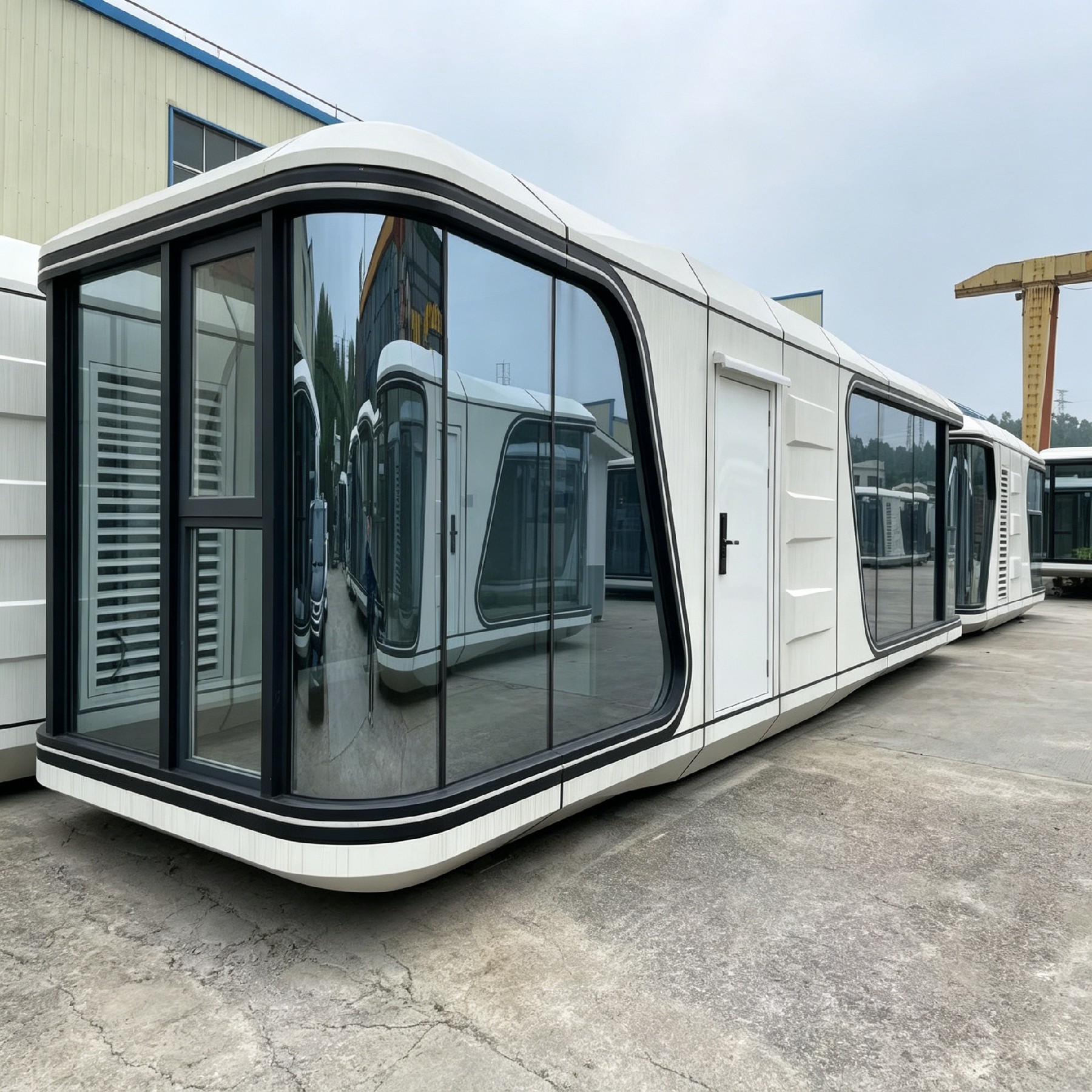
Disaster relief operations demand speed, efficiency, and scalability—qualities that traditional construction simply cannot provide. When natural disasters strike, communities face an immediate housing crisis, and the prefab building emerges as a game-changing solution. A prefab building offers rapid deployment, structural reliability, and cost effectiveness that allow relief organizations to house displaced populations within days rather than months. This approach has transformed disaster response globally, enabling responders to focus resources on vulnerable populations while ensuring shelter standards remain high.
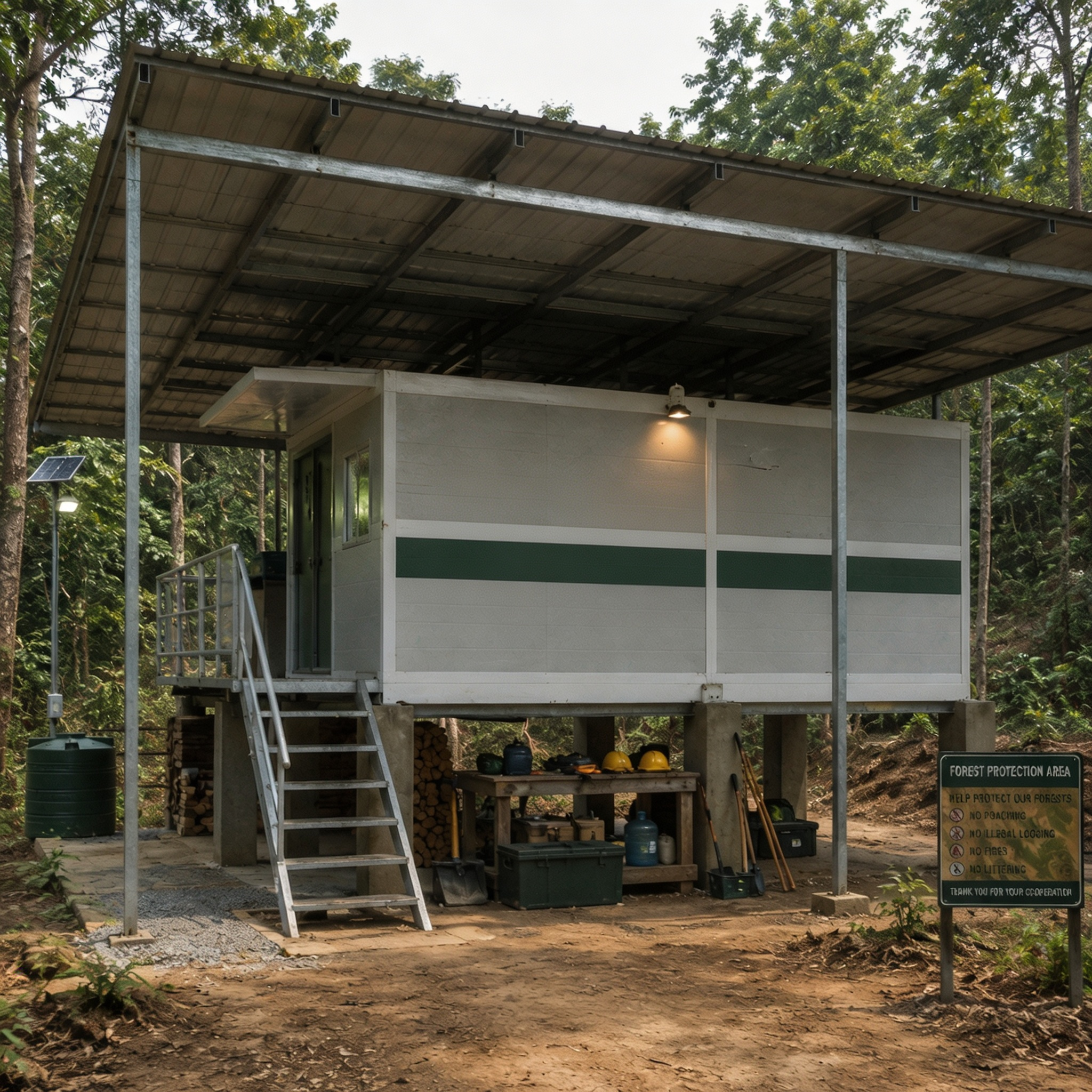
Understanding where and how to deploy a prefab building for disaster relief requires knowledge of logistics, site conditions, regulatory frameworks, and operational best practices. This article explores proven deployment strategies, ideal locations, infrastructure requirements, and the practical considerations that make prefab buildings so valuable in emergency response. Whether you work in disaster management, humanitarian aid, or emergency housing policy, this guide will clarify how prefab buildings fit into modern relief operations.
Strategic Deployment Locations for Prefab Buildings
Urban and Peri-Urban Disaster Zones
Urban and peri-urban areas represent the most straightforward deployment environments for a prefab building after disasters. High population density means large numbers of people require immediate shelter, and urban infrastructure—roads, utility connections, land availability—typically supports rapid placement. A prefab building can be positioned on school grounds, vacant lots, or community facilities within hours of arrival. In cities affected by earthquakes, floods, or industrial accidents, the prefab building provides temporary housing that respects city planning constraints while meeting urgent shelter needs. Supply chains for materials and labor are more accessible in urban zones, reducing logistics complexity.
Remote and Rural Relief Areas
Rural disaster zones present different challenges but remain excellent candidates for prefab building deployment. When cyclones, landslides, or floods isolate villages, helicopter or vehicle transport can deliver prefab building components to establish temporary settlements. The lightweight nature of many prefab building designs makes rural logistics feasible even where road infrastructure is damaged. Community centers, agricultural land, or cleared areas can accommodate a prefab building rapidly. In rural contexts, a prefab building often serves multiple functions—housing during day, shelter and medical clinic by night—maximizing its utility in resource-constrained environments.
Essential Infrastructure and Site Preparation for Prefab Buildings
Ground Assessment and Foundation Requirements
Successful deployment of a prefab building depends critically on site preparation. Relief teams must assess soil bearing capacity, drainage, and ground stability before positioning units. A prefab building typically requires level ground or minimal grading; however, soft or waterlogged soil may necessitate foundation pads or elevated platforms. Site surveys should identify slope stability, proximity to debris, and potential flooding pathways. The advantage of a prefab building is that foundation requirements are standardized and can be prepared quickly using local equipment and labor. Proper ground preparation ensures structural integrity, prevents water ingress, and extends the operational life of the prefab building significantly.
Utilities and Service Connections
A prefab building deployment must integrate with existing or temporary utility infrastructure. Water supply is critical; relief teams install temporary wells, tank systems, or connect to municipal supplies where available. Sanitation facilities including septic systems or portable toilets must be positioned near or integrated with the prefab building. Electrical connectivity—whether from generators, solar arrays, or grid connections—supports lighting, refrigeration, and communication systems within the prefab building. Waste management, including collection points and disposal protocols, must be established alongside the prefab building infrastructure. Careful planning of utility connections during the setup phase prevents operational disruptions and maintains health and safety standards within the prefab building.
Operational Considerations and Deployment Best Practices
Logistics Coordination and Transport
Deploying a prefab building requires meticulous logistics planning. Components must be inventoried, tracked, and transported in the correct sequence to match installation schedules. Relief coordinators should establish staging areas where a prefab building can be assembled before site delivery, reducing on-site assembly time. Transport routes must accommodate the dimensions of prefab building units; oversize loads may require special permits and equipment. Coordination with local authorities, NGOs, and community leaders ensures that the prefab building placement respects security, cultural, and operational considerations. Experienced crews trained in prefab building assembly dramatically accelerate deployment—units that might take weeks to construct conventionally can be operational within days.
Community Integration and Social Considerations
A prefab building is not merely a physical structure but a social intervention that affects displaced populations profoundly. Site selection should consult with community leaders to ensure the prefab building respects cultural practices, minimizes security risks, and facilitates social cohesion. Design choices—shared facilities, privacy configurations, accessibility for elderly and disabled residents—influence how residents experience the prefab building. Relief organizations should provide orientation, establish governance structures, and maintain the prefab building actively to foster dignity and stability during crisis periods. Engaging residents in prefab building maintenance and community activities accelerates psychological recovery and builds trust in relief operations.
FAQ
How quickly can a prefab building be deployed in a disaster zone?
A prefab building can typically be transported, assembled, and made operational within 24 to 72 hours depending on site preparation, logistics coordination, and team expertise. Basic site surveys and ground leveling may occur in parallel with transport, accelerating overall deployment timelines. This speed is the primary advantage of prefab building solutions over conventional construction, which requires weeks or months to deliver comparable shelter capacity.
What types of prefab buildings are best for disaster relief?
Modular units, foldable container houses, and sectional prefab buildings are most suitable for disaster relief. Foldable container-based prefab building designs offer compact transport, rapid assembly, and structural durability. Prefab buildings should feature weather resistance, thermal insulation, and adaptability to diverse climates. Standardized dimensions enable stack efficiency during transport, reducing logistical costs and environmental footprint.
What permits and regulations govern prefab building deployment for disaster relief?
Permit requirements for a prefab building vary by jurisdiction but often include emergency waivers during acute disaster phases. Relief organizations typically coordinate with local building authorities, health departments, and planning agencies to expedite approvals. Many countries establish temporary shelter standards and regulatory fast-tracks that facilitate prefab building deployment while maintaining safety and public health protections.