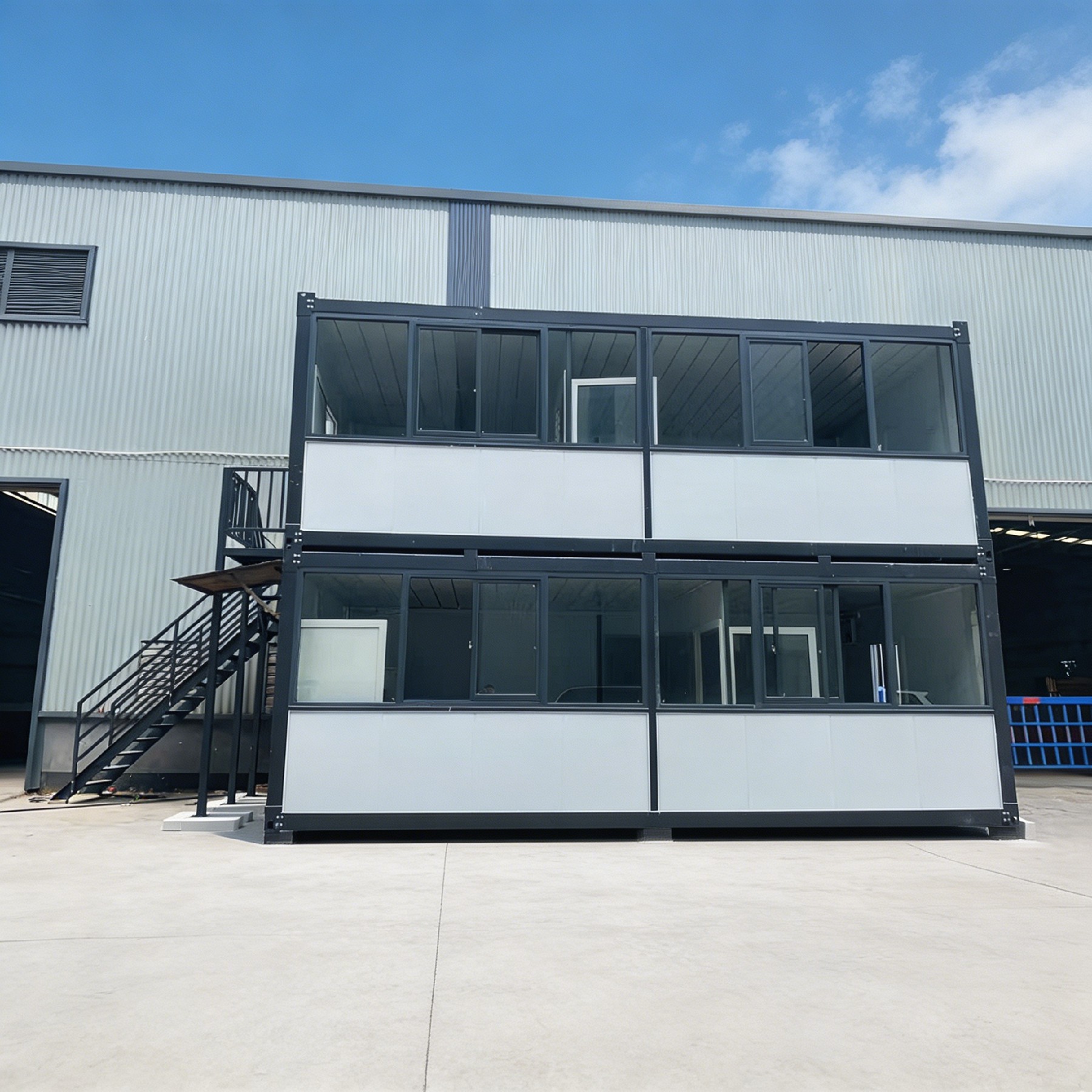
Remote work camps require innovative infrastructure solutions that balance speed, affordability, and adaptability. The traditional construction approach—involving lengthy timelines, high labor costs, and site-specific challenges—often falls short in delivering the rapid deployment needed for temporary or seasonal work environments. Prefab building technology has emerged as a transformative answer to these challenges, offering organizations a way to establish functional workspaces in weeks rather than months. This approach fundamentally changes how companies think about building infrastructure for distributed teams operating in isolated or remote locations.
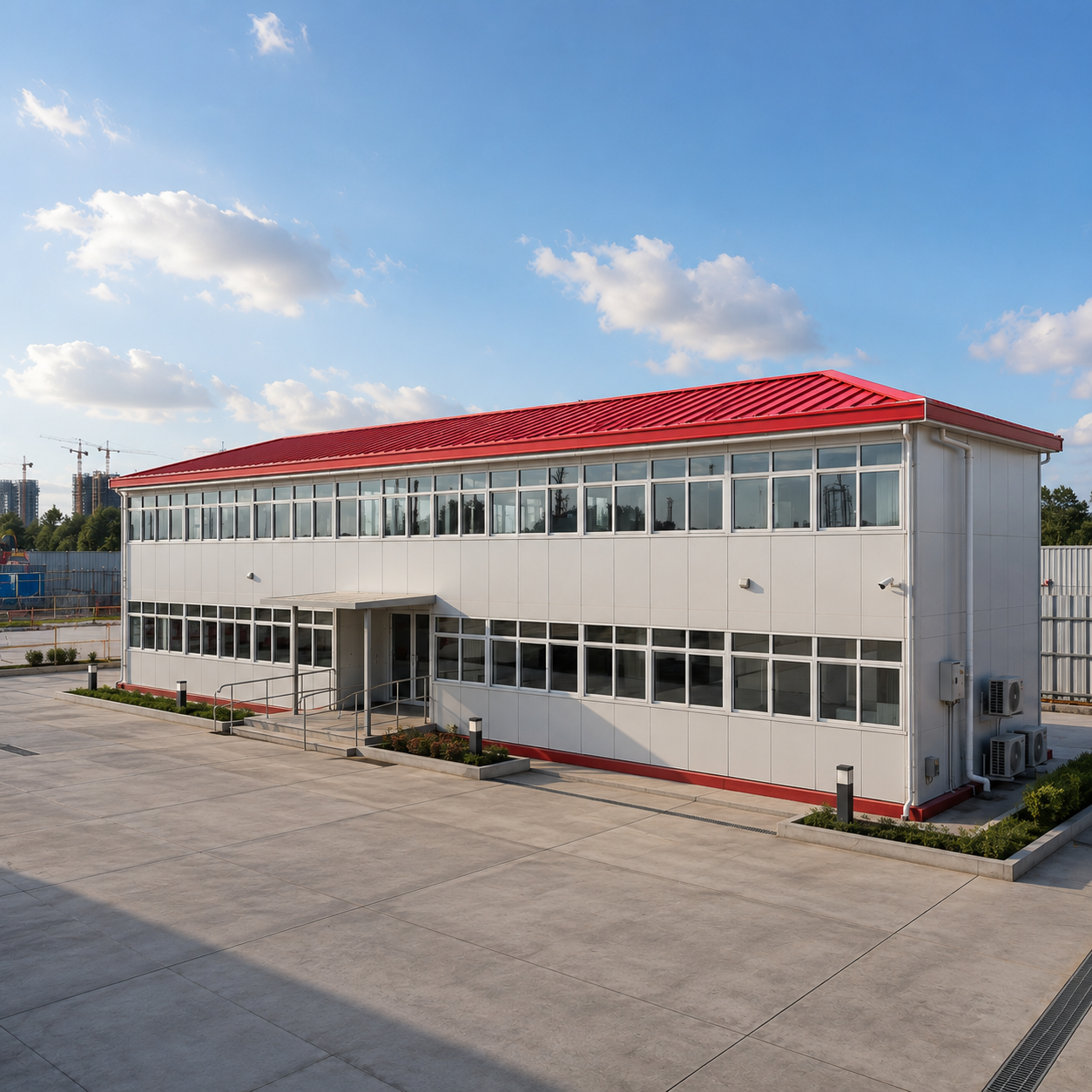
The concept of prefab building for remote work camps goes beyond simple modularity. It represents a strategic shift toward manufacturing-driven construction, where components are fabricated in controlled factory environments and assembled on-site with minimal disruption. For organizations managing remote work camps—whether in mining regions, construction sites, research locations, or humanitarian operations—prefab building delivers measurable business value that extends far beyond initial cost savings.
Speed of Deployment and Operational Readiness
Accelerated Timeline for Workspace Availability
Time is a critical competitive factor when launching remote work camps. Prefab building dramatically reduces the construction timeline by moving labor-intensive fabrication work into factories while site preparation happens simultaneously. Traditional on-site construction often experiences weather delays, skilled labor shortages, and material supply chain disruptions. In contrast, prefab building operates on predictable factory schedules, where quality control is standardized and material sourcing is centralized. Organizations can commission a prefab building facility and have it operational within four to eight weeks, compared to four to six months for conventional construction. This acceleration translates directly into faster revenue generation, quicker project initiation, and reduced carrying costs for organizations waiting to activate their remote work camps.
Minimized Site Disruption and Weather Risk
Remote work camp locations often present challenging environmental conditions—extreme weather, difficult terrain, or geographical isolation. Prefab building components can be manufactured during any season in controlled factory conditions, then transported and assembled quickly on-site. This approach reduces on-site labor duration, lowering exposure to adverse weather events that typically delay conventional construction. A prefab building installation team can complete assembly in days or weeks, whereas traditional construction crews would face extended exposure to weather risks. For remote locations with harsh seasonal windows, the weather resilience of prefab building becomes a decisive operational advantage.
Cost Efficiency and Budget Control
Reduced Labor and Material Waste
Factory-controlled production inherent to prefab building manufacturing creates natural efficiency gains. Material waste in factory settings is typically 50% lower than on-site construction because production processes are standardized and optimized. Labor productivity improves dramatically in factory environments where workers have access to specialized equipment, consistent work conditions, and streamlined workflows. A prefab building approach reduces inefficiencies caused by site congestion, weather interruptions, and logistical coordination challenges. For organizations building multiple units or expanding remote work camps incrementally, bulk manufacturing of prefab building components unlocks economies of scale that are impossible with traditional site-based construction. These cumulative savings often result in 20% to 30% cost reductions compared to conventional building methods for equivalent square footage.
Predictable Budgeting and Transparent Pricing
One of the most significant business advantages of prefab building investment is budget certainty. Factory-based manufacturing operates on fixed cost structures, quality metrics, and delivery schedules that enable precise project budgeting. Traditional construction frequently experiences cost overruns due to unforeseen site conditions, material price fluctuations, and labor escalations. In contrast, a prefab building contract typically includes firm pricing, defined specifications, and committed delivery dates. This transparency allows organizations to model financial requirements accurately and allocate capital with confidence. For companies managing multiple remote work camps or phased expansions, the predictability of prefab building pricing enables better corporate financial planning and reduces the risk of budget surprises that strain project margins.
Flexibility, Scalability, and Future Adaptability
Modular Design Supports Incremental Growth
Remote work camp requirements often evolve as operations scale or seasonal demands fluctuate. Prefab building architecture inherently supports modular expansion—additional units can be manufactured and installed without disrupting existing facilities. Organizations can start with a baseline prefab building configuration, then add accommodation blocks, administrative spaces, or specialized facilities as headcount or operational needs increase. This modularity is virtually impossible with traditional construction, where retrofitting or expansion typically requires significant disruption and architectural redesign. The flexibility of prefab building systems allows companies to right-size their infrastructure investments to actual demand, avoiding over-capitalization while maintaining the ability to scale rapidly if circumstances change.
Reconfiguration and Relocation Capability
For temporary or time-limited remote work camps, the ability to reconfigure or relocate a prefab building facility represents substantial long-term value. Unlike permanent structures, prefab building units can be disassembled, transported, and reassembled in new locations if mining permits expire, project phases conclude, or operational priorities shift. This adaptability is particularly valuable in industries like resource extraction or project-based operations where camp locations change or facilities must be reclaimed after completion. Organizations investing in prefab building infrastructure gain an asset that can serve multiple locations or purposes across its operational lifecycle, maximizing return on capital. This flexibility also supports corporate sustainability goals by enabling facilities to be repurposed or relocated rather than demolished and rebuilt.
Quality, Compliance, and Worker Experience
Standardized Manufacturing and Quality Assurance
Factory manufacturing of prefab building components enables rigorous quality control that on-site construction cannot replicate. Each component is fabricated to precise specifications using standardized processes, tested before shipment, and installed according to certified assembly protocols. This consistency eliminates the variability inherent in site-based construction, where quality depends heavily on individual worker skill and site conditions. Prefab building facilities consistently meet or exceed building codes, energy standards, and safety requirements because manufacturing processes are designed around these specifications from the start. For organizations responsible for worker safety in remote camps, the reliability and consistency of prefab building quality provides confidence that infrastructure meets rigorous compliance standards.
Enhanced Worker Living Standards and Retention
The factory precision of prefab building construction enables higher-quality finishes, better thermal performance, and more comfortable living and working spaces than remotely-located traditional construction often delivers. Remote workers in harsh environments benefit significantly from superior insulation, consistent climate control, and well-engineered layouts that prefab building methodologies provide. Improved facility quality directly impacts worker satisfaction, health outcomes, and retention rates—critical factors in remote work camps where employee morale and safety directly affect operational productivity. Prefab building solutions also integrate modern amenities and ergonomic design more readily because factory production accommodates specialized finishes and systems more economically than site-based labor. Organizations investing in prefab building facilities send a clear message about valuing worker welfare, which strengthens recruitment and retention in competitive labor markets.
FAQ
What makes prefab building faster than traditional construction for remote work camps?
Prefab building accelerates delivery because manufacturing occurs in controlled factories simultaneously with site preparation, eliminating weather delays and on-site coordination challenges. Factory production operates on predictable schedules with standardized labor, while traditional on-site construction faces weather interruptions, material delays, and skilled labor shortages. Most prefab building facilities achieve operational status in four to eight weeks, compared to four to six months for equivalent conventional construction in remote locations.
How does prefab building reduce costs for remote work camp infrastructure?
Prefab building lowers costs through factory efficiency, 50% reduction in material waste, streamlined labor productivity, and economies of scale in component manufacturing. Predictable factory pricing eliminates cost overruns from site conditions or material fluctuations. Organizations typically achieve 20% to 30% cost savings with prefab building compared to traditional construction for equivalent workspace capacity in remote environments.
Can prefab building facilities be relocated or reconfigured as needs change?
Yes, prefab building units can be disassembled, transported, and reassembled in new locations or reconfigured to meet evolving operational requirements. This modularity allows organizations to repurpose facilities across multiple work camps or sites throughout their operational lifecycle, maximizing capital return and supporting sustainability objectives while maintaining infrastructure flexibility.