Building Steel Price Guide & Market Insights

Get a Free Quote

Our representative will contact you soon.
Email
Name
Company Name
Message
0/1000

building steel price

Understanding building steel price is essential for anyone planning construction projects, whether residential, commercial, or industrial. Building steel price refers to the cost of structural steel materials used in construction, including beams, columns, reinforcement bars, and metal framework. These prices fluctuate based on multiple factors such as raw material costs, market demand, production capacity, transportation expenses, and global economic conditions. The building steel price serves as a critical benchmark for project budgeting, cost estimation, and financial planning throughout the construction lifecycle. Modern construction relies heavily on steel due to its superior strength-to-weight ratio, durability, and versatility. The building steel price encompasses various steel grades and profiles, each designed for specific structural applications. Grade classifications such as mild steel, high-strength steel, and weathering steel come with different price points reflecting their performance characteristics. Technological advances in steel manufacturing have improved production efficiency, though the building steel price remains sensitive to energy costs and environmental regulations. Real-time monitoring of building steel price trends enables contractors, developers, and procurement specialists to make informed purchasing decisions, negotiate better contracts, and optimize project timelines. Many suppliers offer transparent pricing structures, bulk discounts, and long-term contracts that help stabilize the building steel price for large-scale developments. Understanding price variations across regions, seasonal demand patterns, and supply chain dynamics empowers stakeholders to secure competitive rates while maintaining quality standards essential for safe, code-compliant construction.

New Product Recommendations

Monitoring building steel price offers significant advantages for construction professionals seeking to maximize project value and minimize financial risks. First, awareness of current building steel price trends allows for accurate budget forecasting, preventing costly overruns that can derail project completion. When you track building steel price movements, you gain the ability to time purchases strategically, buying when prices dip and avoiding peak pricing periods. This proactive approach can reduce material costs by 10-20 percent on large projects, directly improving profit margins. Second, understanding building steel price variations across suppliers enables effective negotiation and vendor selection. By comparing quotes from multiple sources, you secure competitive rates without compromising quality or delivery timelines. Third, transparent building steel price information supports better project planning and phasing decisions. You can schedule steel-intensive construction stages during favorable pricing periods, optimizing cash flow and resource allocation. Fourth, tracking building steel price helps identify cost-saving material alternatives or substitutions that meet structural requirements while staying within budget constraints. Fifth, long-term building steel price analysis reveals market cycles and trends, informing strategic decisions about project initiation and contract timing. Sixth, access to reliable building steel price data strengthens relationships with suppliers through informed discussions based on market realities rather than guesswork. Seventh, understanding factors that influence building steel price such as fuel costs, tariffs, and production capacity empowers you to anticipate price movements and adjust procurement strategies accordingly. Finally, consistent monitoring of building steel price builds institutional knowledge that improves estimation accuracy across multiple projects, enhancing your competitive position in bidding situations and strengthening client confidence in your cost management capabilities.

Latest News

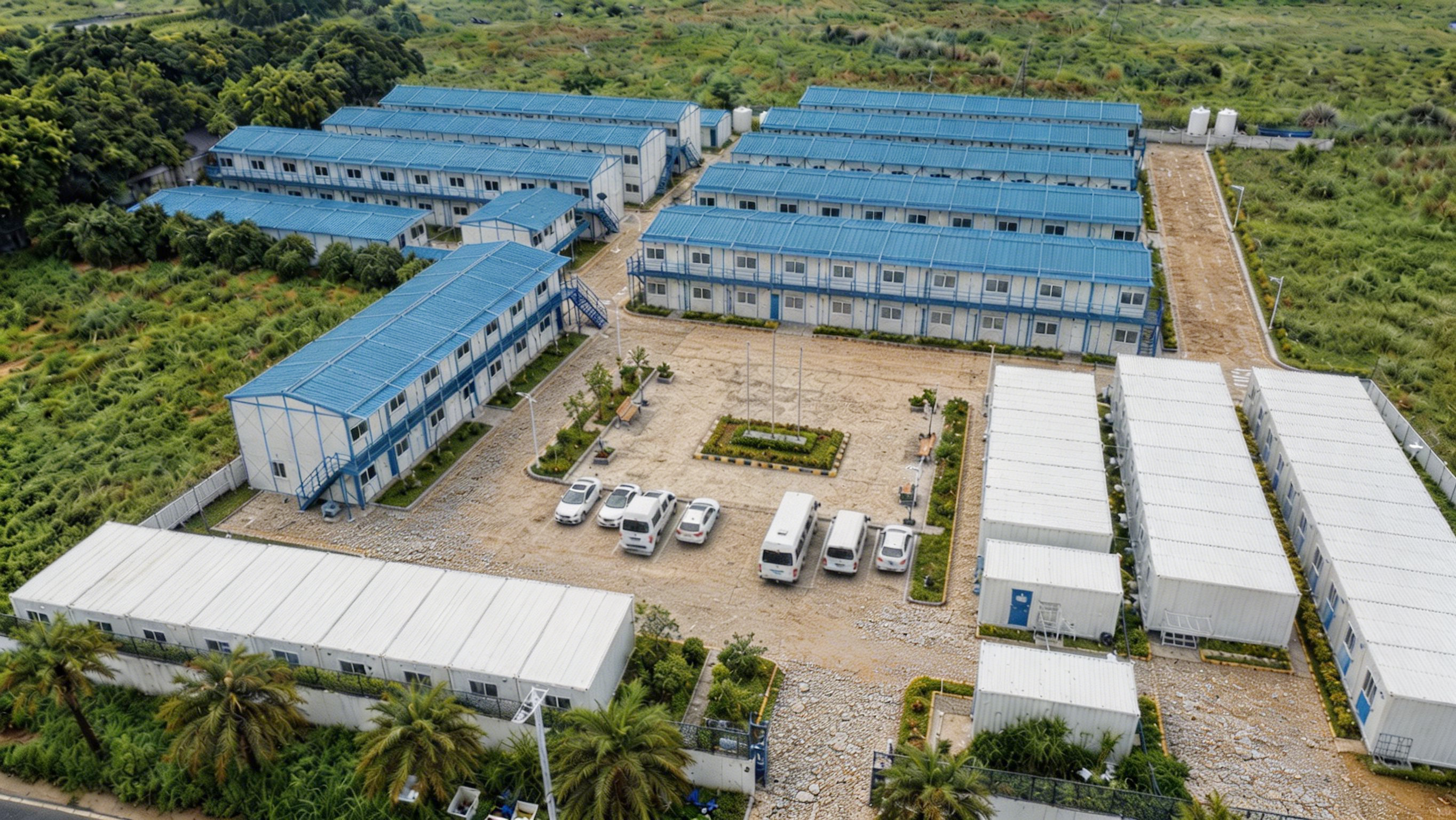
Lufeng Nuclear Power Plant Living Quarter

29

Jun

Lufeng Nuclear Power Plant Living Quarter

View More
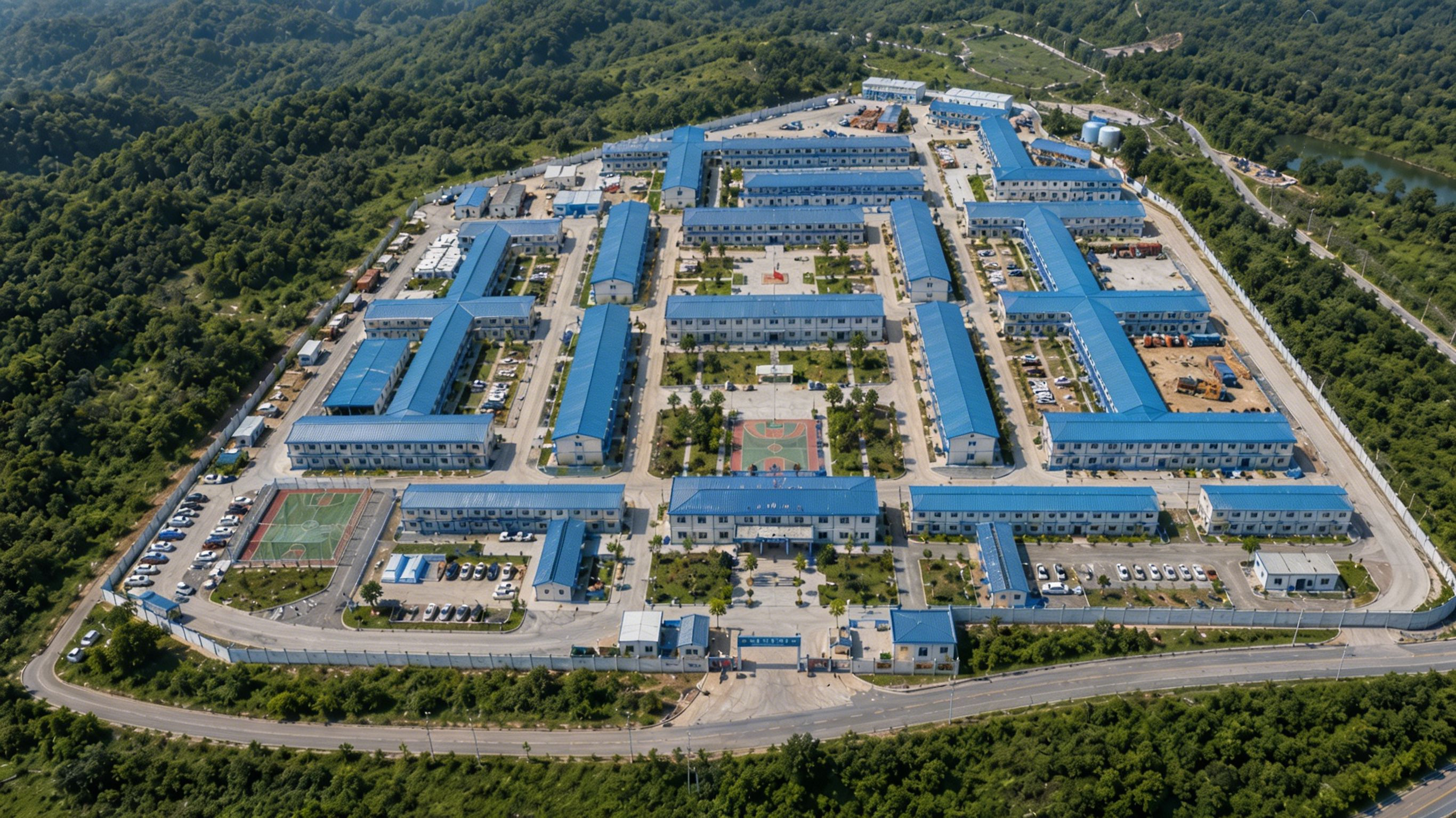
 Large-scale camp settled in Guangzhou Baiyun Airport expansion project.

16

Jun

Large-scale camp settled in Guangzhou Baiyun Airport expansion project.

View More
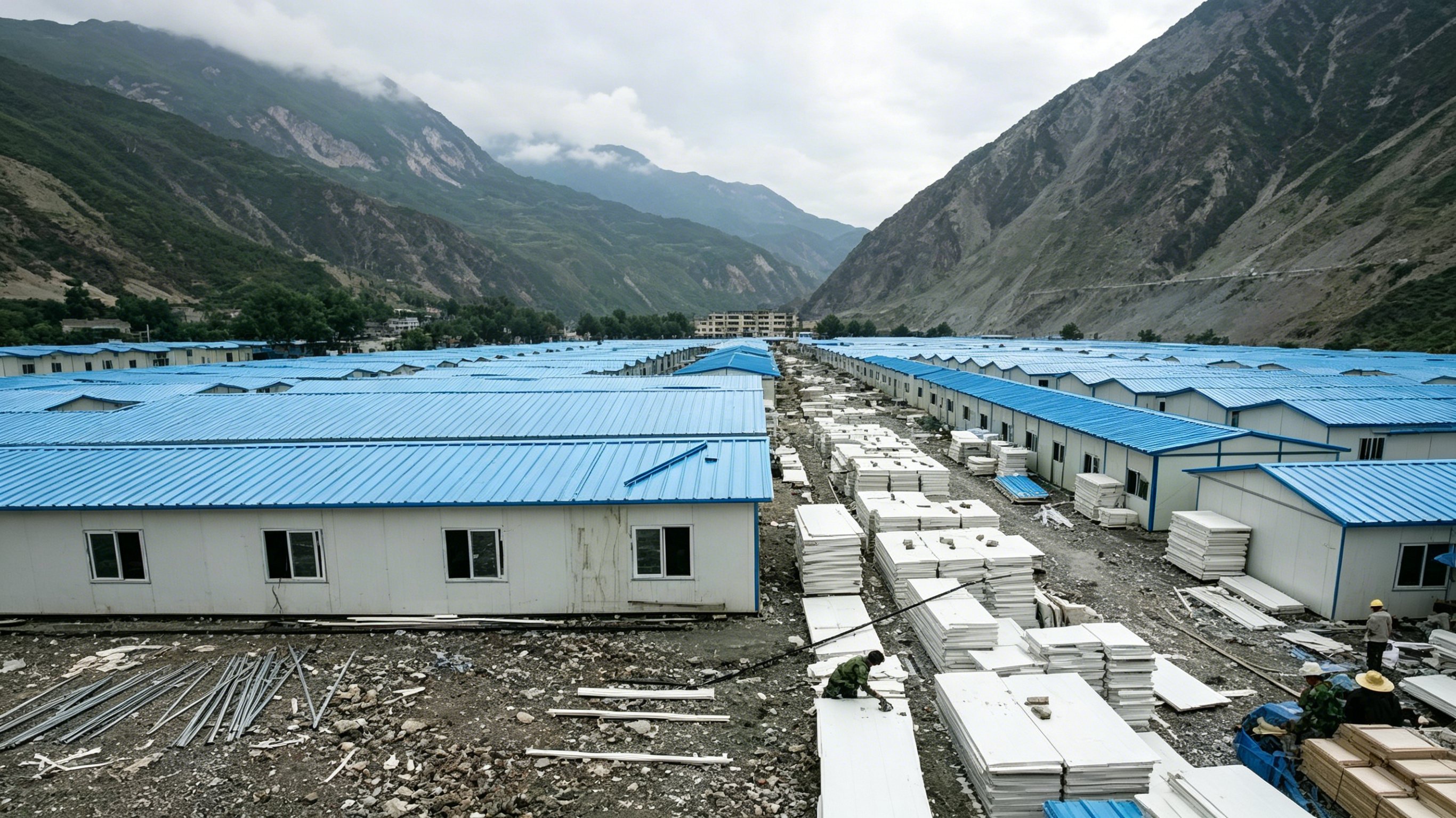
Racing Against Time to Provide Warm, Safe Shelter!

29

Jun

Racing Against Time to Provide Warm, Safe Shelter!

View More

Get a Free Quote

Our representative will contact you soon.
Email
Name
Company Name
Message
0/1000

building steel price

Real-Time Market Intelligence for Strategic Procurement

Real-Time Market Intelligence for Strategic Procurement

Access to current building steel price information transforms procurement from reactive purchasing to strategic sourcing. Modern digital platforms provide instant updates on building steel price fluctuations across regions, grades, and suppliers, enabling construction professionals to make data-driven decisions. This transparency eliminates guesswork and reduces dependency on single-source pricing, which often includes hidden markups. By monitoring building steel price trends daily or weekly, procurement teams identify optimal purchasing windows when market conditions favor buyers. Historical price data combined with predictive analytics helps forecast future building steel price movements, allowing for advanced purchasing commitments that lock in favorable rates before anticipated increases. This intelligence also reveals seasonal patterns, helping teams avoid premium pricing during peak construction seasons. Furthermore, understanding regional building steel price variations enables sourcing from cost-effective markets while factoring in transportation and logistics expenses. Smart procurement based on building steel price intelligence directly contributes to project profitability, competitive bidding success, and client satisfaction through demonstrated cost control and financial stewardship throughout the construction lifecycle.
Quality Assurance Without Compromising Budget Constraints

Quality Assurance Without Compromising Budget Constraints

Effective building steel price management does not mean sacrificing material quality or structural integrity. Understanding the relationship between building steel price and material specifications enables informed trade-off decisions that maintain safety standards while optimizing costs. Different steel grades carry distinct building steel price points reflecting their mechanical properties, corrosion resistance, and manufacturing complexity. By analyzing project-specific structural requirements against available options, engineers and procurement specialists select appropriately graded steel that meets code requirements without over-specifying expensive materials where standard grades suffice. Transparent building steel price data also helps identify certified suppliers offering competitive rates on quality-tested materials with proper documentation and traceability. This prevents the false economy of choosing suspiciously low-priced steel that may fail inspections or compromise structural performance. Additionally, understanding building steel price variations for different profiles and dimensions supports value engineering efforts that achieve design intent through cost-effective section selections. Quality assurance protocols combined with building steel price awareness create a balanced approach where safety remains paramount while unnecessary premium costs are eliminated, delivering structures that meet performance expectations within realistic budget parameters.
Enhanced Project Financial Planning and Risk Management

Enhanced Project Financial Planning and Risk Management

Comprehensive understanding of building steel price dynamics significantly improves overall project financial planning and risk mitigation strategies. Steel typically represents 15-25 percent of total construction costs, making building steel price volatility a major financial risk factor. By incorporating building steel price forecasts into project budgets with appropriate contingency allowances, project managers protect against unexpected cost escalations that threaten completion. Detailed building steel price tracking also supports more accurate change order pricing when design modifications require additional materials, ensuring fair compensation and maintaining contractor-client relationships. For developers managing multiple concurrent projects, building steel price intelligence enables portfolio-level purchasing strategies that leverage volume discounts and negotiate favorable long-term supply agreements. This strategic approach to building steel price management extends beyond individual transactions to create systemic cost advantages across entire organizations. Furthermore, transparent building steel price documentation supports audit requirements, stakeholder reporting, and financial accountability throughout project lifecycles. Risk management improves as teams develop scenarios modeling different building steel price trajectories and their impacts on project viability, enabling proactive responses rather than reactive crisis management when markets shift unexpectedly.
Inquiry Inquiry Email Email WhatsApp WhatsApp
WhatsApp
Wechat Wechat
Wechat
Building Steel Price Guide & Market Insights